Few kitchen frustrations are as common as lifting the lid off a pot of freshly cooked pasta only to find the noodles clumped together in one sticky mass.
Whether you are preparing spaghetti, penne, fettuccine or tagliatelle, pasta sticking together is a problem that affects home cooks of all skill levels.
The good news is that it is also one of the easiest cooking mistakes to avoid.
Pasta sticks because its surface releases starch as it cooks. If there is not enough room for the pasta to move freely, or if it sits too long after draining, that starch acts like glue, causing strands and pieces to cling together.
Here are seven simple tips to ensure your pasta comes out perfectly cooked and separated every time.
1. Use plenty of water
One of the biggest mistakes people make is cooking pasta in a pot that is too small.
A generous amount of boiling water gives pasta room to move around freely, preventing the starch released during cooking from becoming overly concentrated.
As a general rule, use about 4 to 5 litres of water for every 500 grams of pasta. A larger pot also helps the water return to a boil more quickly after the pasta is added.
2. Wait until the water is boiling
Adding pasta before the water reaches a rolling boil can cause it to soften unevenly and stick together before it has a chance to cook properly.
Bring the water to a vigorous boil before adding the pasta, then stir immediately to separate any pieces that begin sticking together.
3. Stir during the first few minutes
The first two to three minutes are the most critical.
Freshly added pasta releases the highest amount of starch during this time, making it more likely to clump.
Stirring frequently during the first few minutes helps keep strands and shapes separated until the surface firms up.
After that, occasional stirring is usually enough.
4. Don't add oil to the water
Many home cooks believe adding cooking oil to boiling water prevents sticking.
In reality, the oil floats on the surface and has little effect on the pasta itself. Instead, it can coat the pasta after draining, making it harder for sauces to cling properly.
The best defence against sticking is plenty of water and regular stirring, not oil.
5. Cook it Al Dente
Overcooked pasta becomes softer and releases more starch, increasing the chances of sticking.
Follow the cooking time on the package and begin checking for doneness a minute or two before the recommended time.
Pasta should be firm to the bite, a texture known as al dente. Not only does this reduce sticking, but it also creates a better eating experience.
6. Don't leave it sitting after draining
Once pasta has been drained, it begins cooling immediately.
As it cools, the starch on the surface becomes tackier, causing noodles to cling together.
If you are serving the pasta right away, transfer it directly into your prepared sauce instead of letting it sit in the colander(Drainer or sufuria).
If the sauce is not ready, toss the pasta gently with a small amount of olive oil to keep it from sticking until you are ready to serve.
7. Save some pasta water
Before draining, scoop out about a cup of the starchy cooking water. This simple trick can make a big difference when finishing your dish.
Adding a splash of pasta water to your sauce helps it cling to the pasta while keeping everything silky and well-coated.
It is a technique widely used by professional chefs to create smoother, more flavourful pasta dishes.
Long pasta such as spaghetti and linguine benefits from a tall pot that allows the strands to soften gradually before being fully submerged.
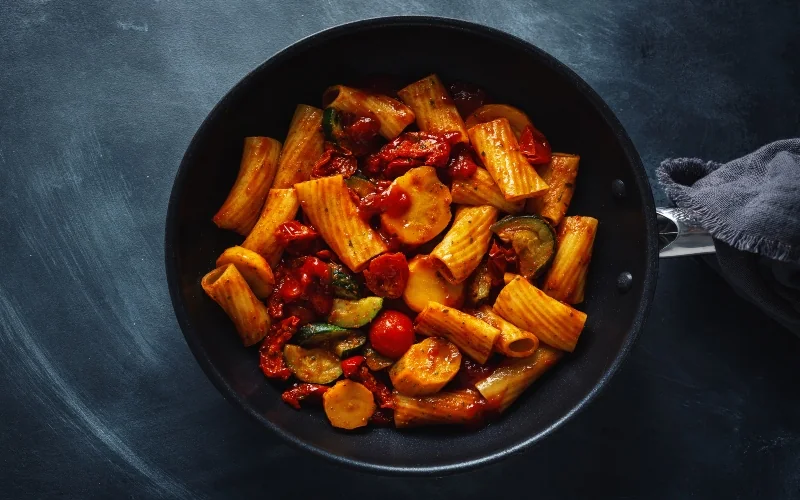
Short pasta shapes like fusilli, macaroni and penne cook best in wide pots where they have enough space to circulate freely.
Perfect pasta is not just about choosing the right sauce; it is also about mastering a few simple cooking techniques.
With these easy habits, home cooks can enjoy pasta that's light, separate and perfectly coated in sauce every time, whether it is a quick weeknight dinner or a meal shared with family and friends.

















































Comments
Sign in with Google to comment, reply, and like comments.
Continue with Google