The Independent Electoral and Boundaries Commission (IEBC) has proposed a series of legal and administrative reforms aimed at improving the resolution of pre-election disputes, including extending the period for determining complaints from 10 days to 14 working days.
According to its newly launched Pre-Election Disputes Resolution Report for the 2022 General Election & Case Digest for the 2022 General Election, the Commission said the extension would allow parties enough time to prepare complaints, collect evidence and present their cases while giving the Dispute Resolution Committee (DRC) adequate time to make decisions.
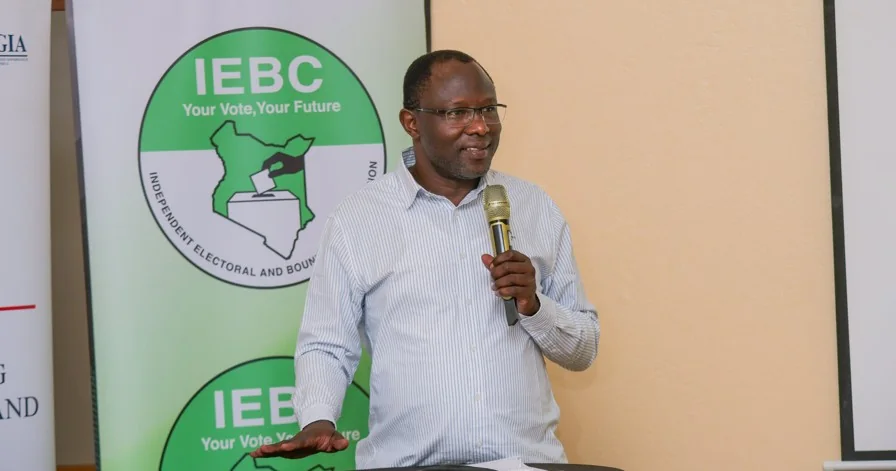
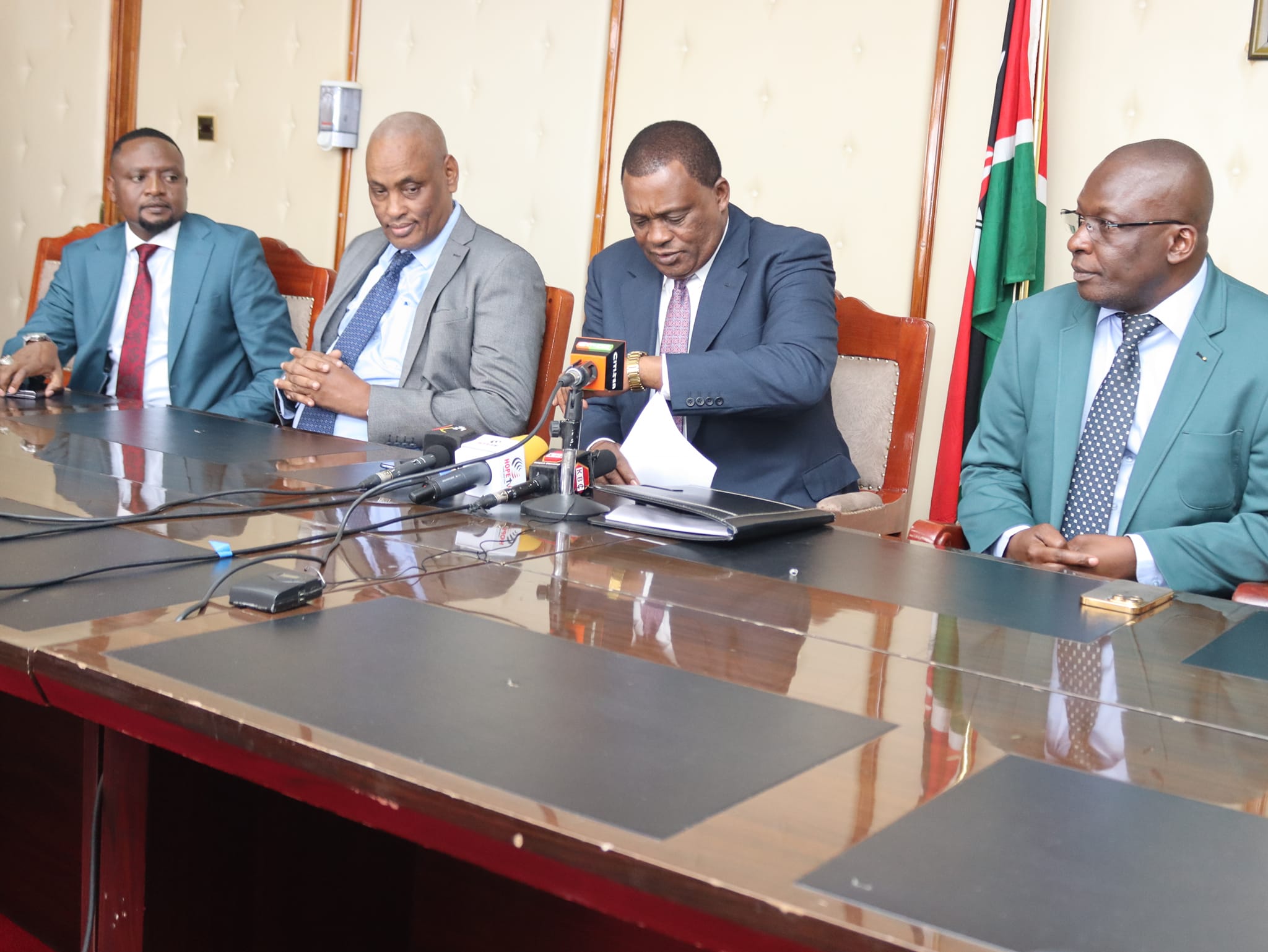
Speaking during the launch of the report on Thursday, IEBC Director of Legal Services Chrispine Owiye, said the Commission relied on the provisions of the Elections Act when developing the rules to guide the handling of pre-election disputes.
In the 2022 election period, IEBC gazetted the election period on January 9, 2022, setting timelines for various electoral activities, including candidate registration. A total of 323 disputes were filed before the DRC, which heard and determined all cases within the 10 days provided by law.
IEBC said the process was successful but faced challenges, including the need to improve the quality and consistency of decisions, increase public awareness, introduce virtual proceedings, strengthen stakeholder engagement and review timelines for handling disputes.
The DRC formed three panels to handle nomination disputes and was supported by IEBC staff in resolving complaints. According to the Commission, the committee played a key role in promoting electoral justice by providing a platform for resolving disputes before elections.
IEBC also noted that the decision by its Chairperson not to sit in any of the panels helped improve confidence in the committee’s fairness and independence.
“The Chairperson of the IEBC did not sit in any of the panels, a move that enhanced the Committee’s impartiality and fairness,” reads the report.
However, IEBC said it has now identified areas requiring improvement, such as handling disputes involving independent candidates, reducing appeals and ensuring both procedural and substantive issues are addressed.
Among the legal proposals is an amendment to Section 74(2) of the Elections Act to increase the time for determining complaints to 14 working days.
The Commission said the proposed change should consider its impact on other election activities, including candidate gazettement and ballot paper printing.
IEBC also recommends increasing the period for filing complaints from 24 hours to 48 hours to give complainants enough time to prepare documents, collect evidence, seek legal support where necessary and travel to Nairobi for physical filing.
IEBC has also proposed that candidates who resign from public service should provide a certificate of service in addition to a resignation letter before being cleared to contest.
“This requires proof of resignation under Section 51 of the Employment Act, closing a loophole for fake resignation letters,” reads the report.
The Commission said candidates should also receive more guidance before nominations to ensure they understand the importance of submitting nomination papers within the required timelines.
IEBC further recommends strengthening how DRC decisions are documented and referenced to create a consistent body of knowledge that can guide future dispute resolution.
It also proposes stronger cooperation with the Office of the Registrar of Political Parties, increased training for DRC members, improved preservation and publication of decisions, and the use of digital systems for filing and managing cases.
Additionally, the report recommends introducing virtual hearings to improve access, especially for parties and Returning Officers based outside Nairobi.
It notes that during the 2022 election cycle, hearings were conducted at the Milimani Law Courts in Nairobi, which created challenges for some parties.
The Commission also proposes increased voter education on the role of the DRC and the pre-election dispute resolution process.
It says working with political parties, independent candidates, the Office of the Registrar of Political Parties and the Law Society of Kenya would help improve awareness.
The report further recommends that candidates attend pre-registration meetings to receive guidance on requirements and timelines for submitting nomination papers.
IEBC also proposes allowing candidates to pay nomination fees through other methods, including a Paybill number, to make the process easier.
The Commission said the reforms would help create a more structured and accessible dispute resolution system capable of handling future election disputes while protecting political rights.
Further, the report called for a clear definition of the term “nomination” in both the Elections Act and the Political Parties Act to remove confusion over the roles of IEBC and the Political Parties Disputes Tribunal (PPDT) in handling disputes.
“Define ‘nomination’ once and for all: There is a need to harmonise the interpretation of the terms ‘nomination’ and ‘party nomination’ as used in the Elections Act and the PPA, respectively,” reads the report.
The report emphasised that Article 38 of the Constitution guarantees every citizen the right to seek public office, but the right can only be protected when there is an impartial body to enforce election rules.

































Comments
Sign in with Google to comment, reply, and like comments.
Continue with Google