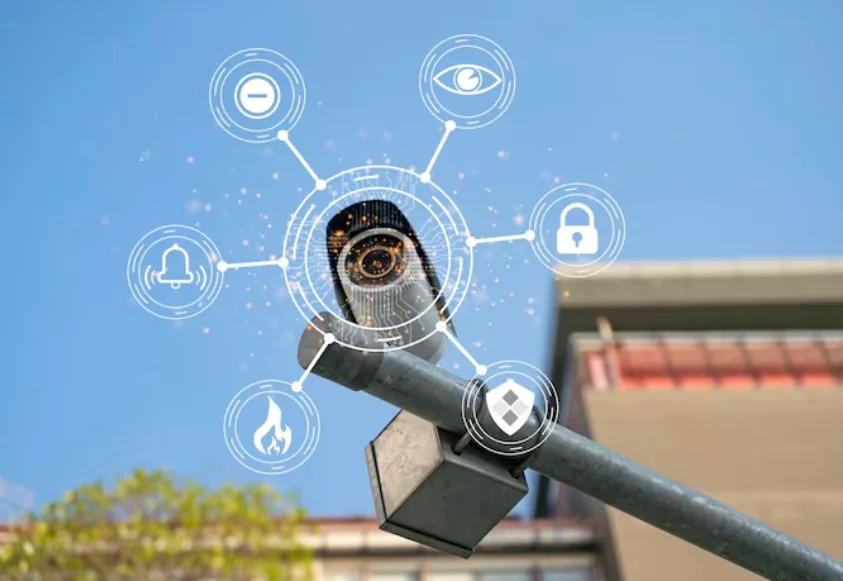
Crime suspects captured by CCTV cameras could soon be identified within minutes after the government announced plans to introduce facial recognition technology that will match images from surveillance cameras with official identity records.
According to Interior (CS) Cabinet Secretary Kipchumba Murkomen, the system will allow security agencies to compare faces captured by CCTV cameras with photographs stored in government databases, helping police establish the identities of people suspected of committing crimes.
Murkomen noted that Kenya currently lacks a facial recognition database linked to official identity records, making it difficult for police to automatically identify suspects captured on surveillance cameras.
“We do not have a database with facial recognition technology that already has the facial recognition for Kenyans, where you merge the faces you get from the cameras to the database to establish the credentials of an individual,” Murkomen said.
He said the government plans to integrate the technology into the Integrated Command, Control and Communication Centre (IC3), which is currently being upgraded.
Through the system, images captured by surveillance cameras will be compared with information contained in official government records, including photographs used for identification documents.
The CS said the government will gradually build the facial recognition data using information already available in identity records, allowing police officers to use images linked to official details.
“Once we establish this technology, we will slowly build in the data of various people based on the information in the ID. Police will now be able to use the faces of Kenyans with their pictures in the official data,” he added.
Currently, police rely on manually reviewing CCTV footage and sharing images of suspected criminals with the public in an effort to get information that can assist investigations.
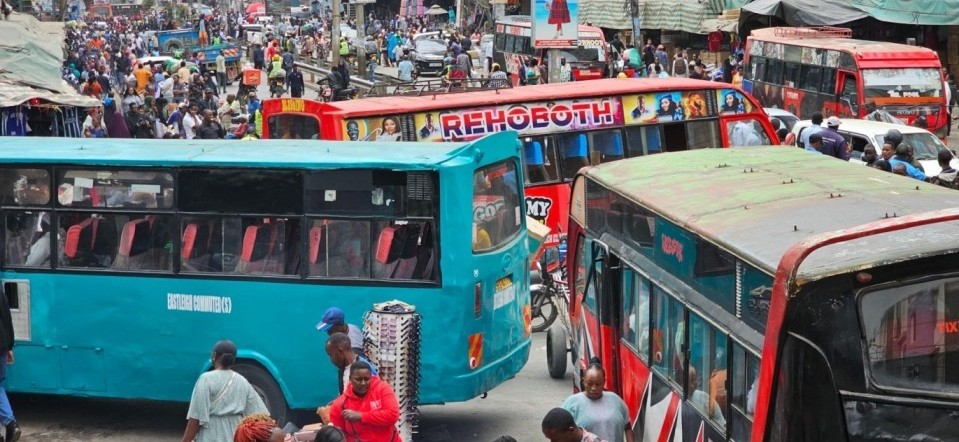
The planned system will be introduced alongside a wider government programme to install surveillance cameras in Nairobi, Mombasa, Kisumu, Nakuru, Eldoret and Nyeri to help fight criminal activities.
Murkomen said the government was in the final stages of procuring the technology and expects the process to be completed within two months, with the project expected to cost not more than Sh25 billion.
Nairobi is expected to be among the first areas to benefit from the surveillance system, with the rollout expected to take between three and six months after procurement is completed.
The CS also addressed concerns over privacy and data protection, saying the cameras would only be installed in public areas and would not cover private spaces such as homes or hotels.












































Comments
Sign in with Google to comment, reply, and like comments.
Continue with Google