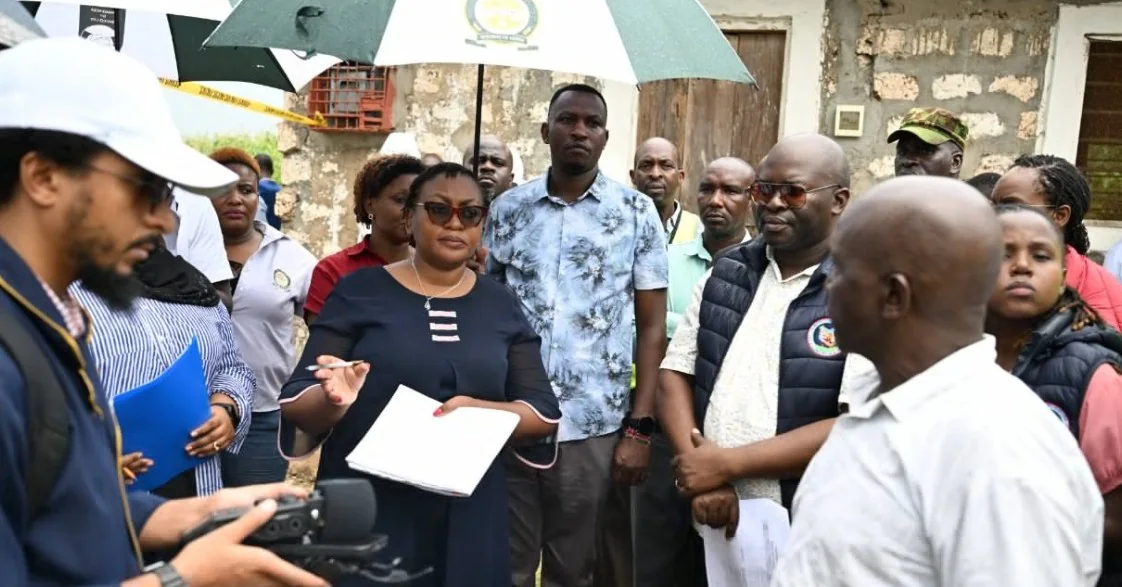
The High Court on Tuesday conducted a rare on-site inspection of locations linked to the Shakahola massacre, with suspected cult leader Paul Mackenzie and seven co-accused persons taken to Malindi to help the court understand how followers were allegedly recruited, radicalised and later moved to the forest where hundreds of people died.
The visit, led by Justice Wendy Kagendo, began at Mackenzie’s former Good News International Church in Furunzi, which investigators believe served as one of the centres where followers were exposed to teachings that later formed the basis of the deadly cult.
A significant moment during the proceedings came when Mackenzie’s eldest son, Dan Mackenzie, told the court that some of his younger siblings have formal education and modern healthcare.
Responding to the testimony, Justice Kagendo directed that the matter be addressed separately and ordered the preparation of a report on the children's welfare.
The court later moved to several houses in Furunzi, Kaoyeni and Kwa Chocha, where witnesses said they were accommodated before being transported to Kwa Binzaro forest and to Shakahola.
A protected witness recounted how he travelled from Siaya to Malindi with his wife and six children after embracing Mackenzie’s teachings.
He told the court that all six children and his wife later died in the forest.
The witness said he had travelled to Malindi voluntarily after learning about the religious movement and was informed that followers who had arrived earlier had already moved deeper into the forest.
Another witness testified that followers spent most of their time indoors and rarely interacted with neighbours, adding that groups of two or three would occasionally emerge from the houses.
The court also heard allegations that two individuals, identified as Shirlynne Temba and Kahindi Garama, played a key role in securing accommodation for incoming followers.
Witnesses claimed that rent was often paid in cash, making it difficult to trace financial transactions and identities linked to the properties.
One resident who lived near the houses told the court he never saw occupants preparing meals and instead frequently observed them reading religious material outside in the evenings.
Meanwhile, the defence sought to have the eight accused persons transferred from Shimo La Tewa Prison in Mombasa to Malindi GK Prison.
However, Justice Kagendo rejected the request, noting that some of the accused are also facing separate terrorism-related charges before the Shanzu Law Courts.
She noted that Shimo La Tewa remains the only gazetted facility within the Coast region authorised to hold such suspects.
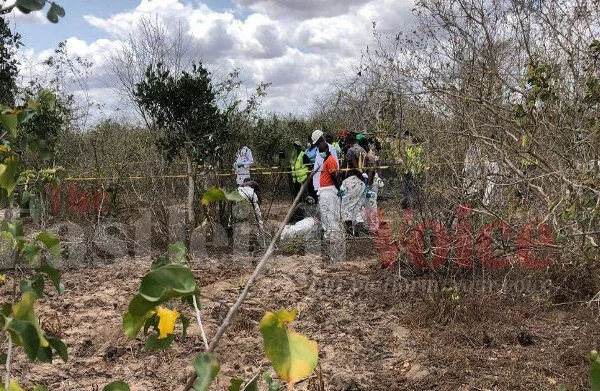
The court is expected to continue its inspection on Wednesday with a visit to the main Shakahola crime scene in Chakama.
Judges, lawyers and investigators are set to inspect alleged fasting grounds, homesteads and burial sites as the court seeks a clearer understanding of how the activities linked to the cult were organised across the vast forested area.
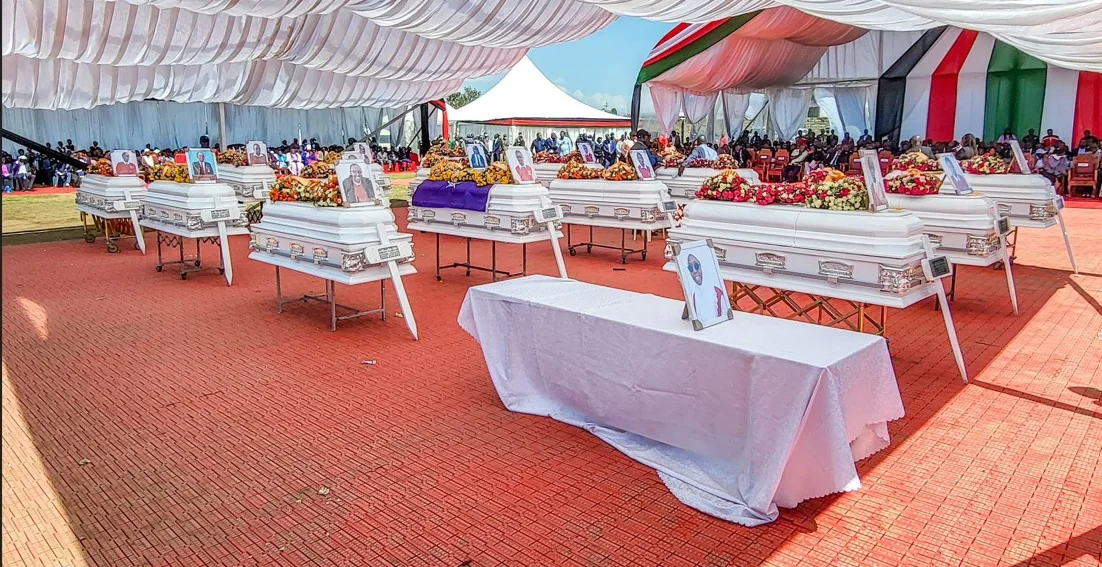
The judicial tour forms part of ongoing proceedings aimed at reconstructing events surrounding one of Kenya’s deadliest cult-related tragedies, which shocked the country after the discovery of hundreds of bodies in Shakahola forest.
































Comments
Sign in with Google to comment, reply, and like comments.
Continue with Google