The US Senate on Tuesday approved a House-passed resolution seeking to curb President Donald Trump’s authority to continue military operations against Iran without congressional approval, marking a rare bipartisan challenge to the ongoing conflict.
The 50–48 vote directs Trump, under the 1973 War Powers Act, to withdraw US forces from hostilities against Iran unless they are required to protect American personnel or allies from imminent attack. The measure, however, does not carry the force of law and is unlikely to immediately change US military policy.
The resolution had already passed the House earlier this month by 215–208 before moving to the Senate for a final up-or-down vote.
Because it is a concurrent resolution, it does not require presidential assent, but it also cannot be enforced as law.
Four Republican senators—Rand Paul, Susan Collins, Lisa Murkowski and Bill Cassidy—broke ranks to support the measure, joining Democrats in backing the push to rein in presidential war powers.
One Democrat, Senator John Fetterman, voted against it alongside most Republicans. Two Republican senators, David McCormick and Mitch McConnell, were absent from the vote.
Supporters of the resolution framed it as an effort to restore Congress’s constitutional authority over decisions of war, arguing that the Trump administration had engaged in military action without proper authorisation.
Senator Tim Kaine, who led the measure in the Senate, said lawmakers were acting amid new financial and military demands linked to the conflict.
Critics of the resolution dismissed it as largely symbolic, arguing that active hostilities have already subsided under a fragile ceasefire and ongoing negotiations with Iran.
Senator Thom Tillis, among those who voted against it, suggested the measure had little practical effect given current developments on the ground.
The vote comes as the Trump administration prepares to request tens of billions of dollars in additional funding to replenish depleted military stockpiles, according to congressional discussions. Lawmakers have expressed growing concern over the economic cost of the conflict and the risk of wider regional escalation.
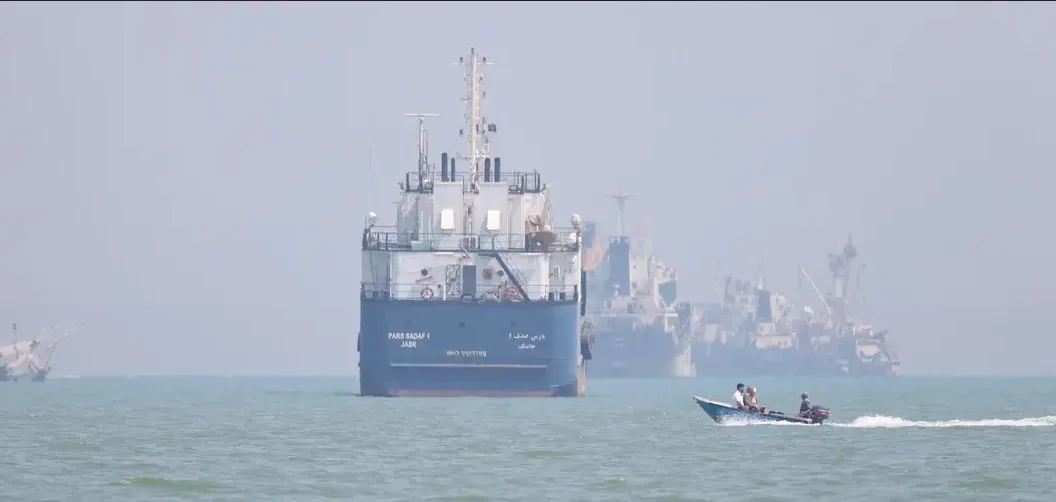
Reports indicate that about 50,000 US troops remain deployed across the Middle East, including forces aboard naval vessels and aircraft carriers, as well as Marines stationed in strategic positions.
Tensions remain high despite diplomatic efforts.
Trump recently warned Iran on social media to halt its support for militant groups in Lebanon or face renewed strikes, while Iranian officials disputed claims of progress in negotiations, including assertions about nuclear inspections.
The war began earlier this year following joint US–Israeli strikes on Iranian targets, triggering months of hostilities before a ceasefire was reached. Since then, Congress has repeatedly attempted—but previously failed—to assert its role in authorising or ending the conflict.
Tuesday’s vote is the most significant congressional push yet to formally limit presidential war powers in the current crisis, though its legal impact remains uncertain.













































Comments
Sign in with Google to comment, reply, and like comments.
Continue with Google