Niger begins formal withdrawal from ICC, joining Philippines and Burundi
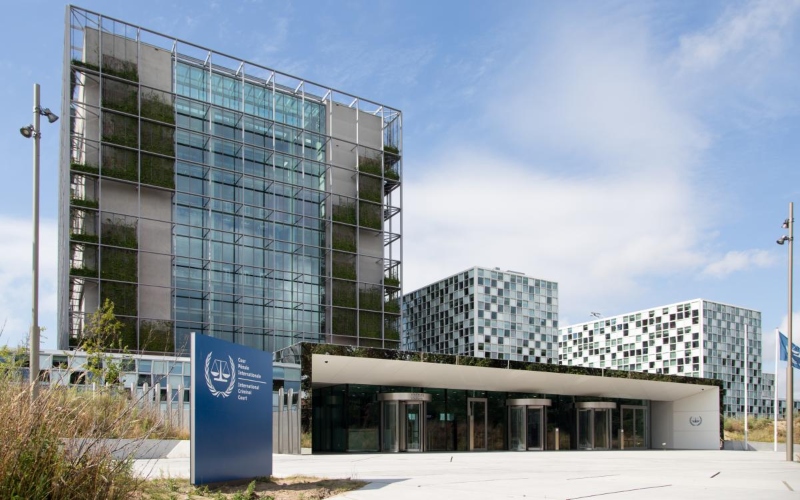
Niger begins formal withdrawal from ICC, joining Philippines and Burundi

Under ICC rules, the exit takes effect 12 months after the UN receives formal notice. During that time, the court will still have authority over any crimes committed in the country.

Niger has formally withdrawn from the International Criminal Court (ICC), marking a significant shift away from the global tribunal and joining a small group of countries that have left the court.
Reports indicate that Niamey submitted a letter to the United Nations (UN) on Monday, starting the formal process of exiting the Rome Statute, the treaty that created the court in The Hague. The withdrawal makes Niger the third country to formally leave the ICC after the Philippines and Burundi.
Although Niger has now started the withdrawal process, it will not leave the court immediately. Under ICC rules, the exit takes effect 12 months after the UN receives formal notice. During that time, the court will still have authority over any crimes committed in the country.
Authorities in Niamey justified the decision by accusing the court of uneven treatment in its application of international justice.
“While the court had raised great hopes among people who cherish peace and justice, it has been misused and exploited,” the letter reads, according to the Washington Post.
Advertisement
In a statement confirming the development, the ICC expressed regret over Niger’s decision, stressing it remained committed to its work of holding people accountable for serious international crimes, despite the withdrawal.
Niger, alongside Mali and Burkina Faso, announced last year that it would withdraw from the ICC, with all three Sahel states now under military rule following a series of coups in recent years.
Since taking power in a 2023 coup, Niger’s military leadership has cut ties with Western partners like France and turned to new allies, including Russia, as part of a broader shift in foreign policy.
The announcement comes at a time of continuing insecurity in Niger and the wider Sahel region. Last week, more than 30 people were killed in an attack on Niamey’s main airport, a key military and security hub in the capital.
The attack, which occurred on the morning of June 18, triggered gunfire and explosions that were heard in surrounding neighbourhoods. Residents described confusion in the early moments, with some initially mistaking the noise for routine disturbances before the intensity of the fighting became clear.
Niger authorities later confirmed the casualties after security operations at the airport were concluded. Normal operations at the airport later resumed amid tight security.

Comments

0
Loading comments...

Trending

Latest Stories

Popular Stories This Week