Human rights lobbies and activists have differed on whether it is right for the Kenya National Commission on Human Rights (KNCHR) to publish the names of individuals earmarked to receive portions of the Sh2 billion state compensation fund for victims of protest-linked police brutality.
The human rights lobbies, led by Mukuru Community Justice Centre Coordinator Anami Daudi and Audi Ogada of the Kisumu City Residents Voice Association all agree that the compensation is timely, but justice for the victims is paramount.
While Anami believes the names should be kept private, Ogada said the State has an obligation to publicly list all beneficiaries of the fund because the atrocities were committed in public and the matter in question is of public interest.
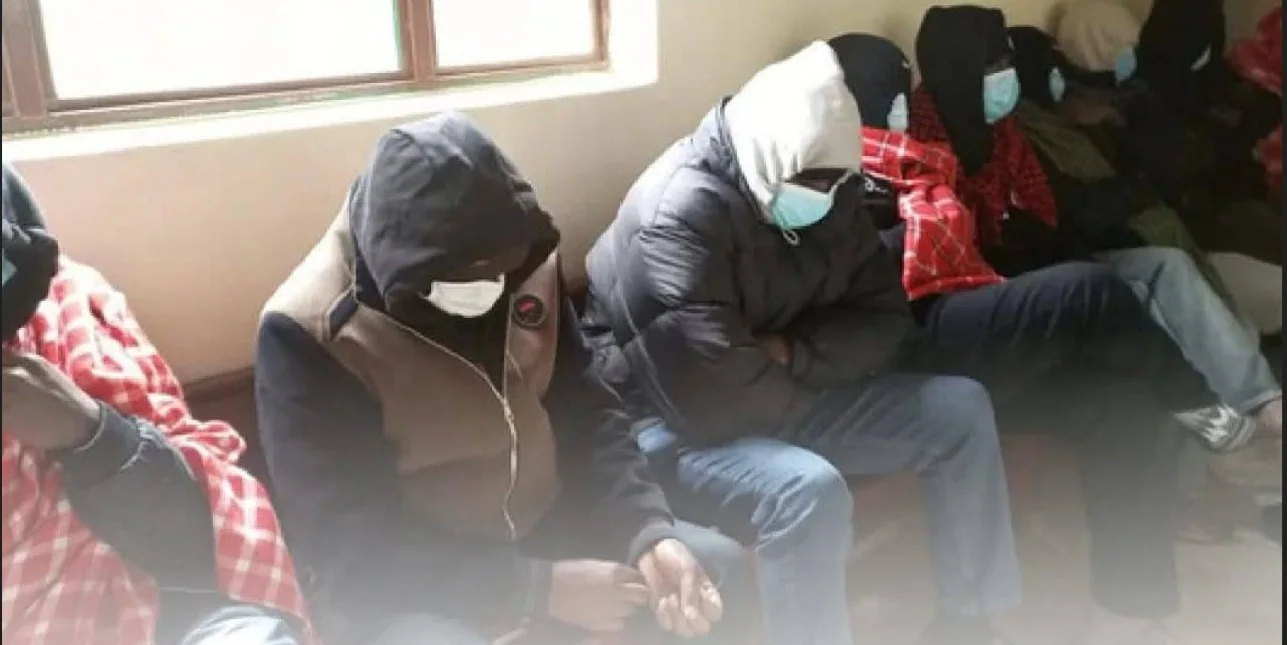
“Yes. KNCHR should keep all the data of victims private. This protects the dignity and safety of survivors and families of victims. Compensation is just a component of justice; there is still a lot that needs to be done on accountability, and therefore exposing their data makes it risky for them as they will be exposed to their perpetrators,” said Anami.
The secrecy surrounding the beneficiary list, while legally sound under the Data Protection Act, provides fertile ground for scepticism. Critics point to Kenya’s dark history of compensation funds, such as the internally displaced persons (IDP) resettlement programmes, which were marred by ghost claimants, political patronage, and massive embezzlement.
The Commission has firmly rejected mounting public pressure to publish the names of individuals earmarked to receive portions of the Sh2 billion state compensation fund for victims of protest-linked police brutality.
The decision has sparked a fierce national debate regarding accountability, with civil society groups demanding transparency to prevent the looting of the multi-billion-shilling fund by fraudulent claimants or corrupt government officials.
“Article 35 of the Constitution gives the right to access information held by the State or any other body to the citizens. This is a matter of public interest and every action or decision must be published,” argued Ogada, who documented most of the human rights violations in Kisumu.
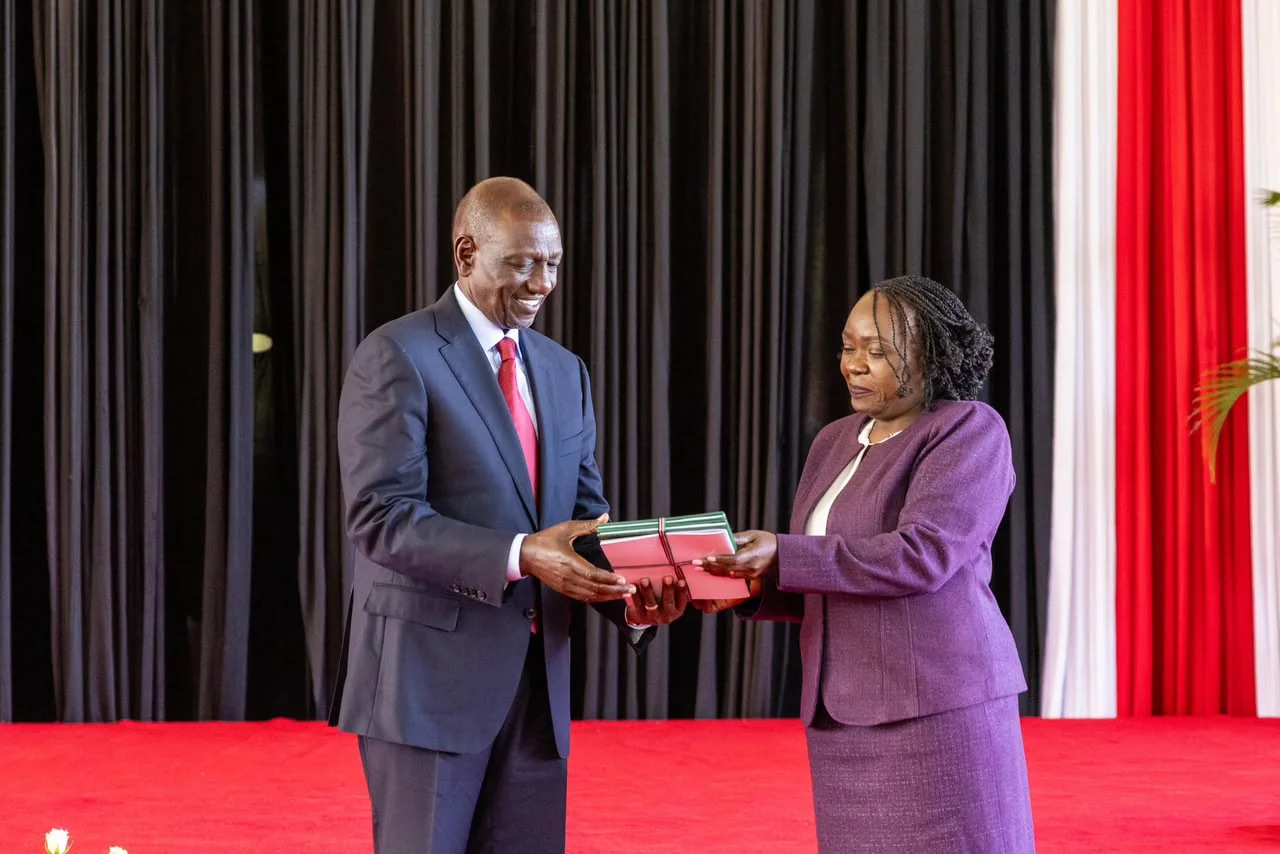
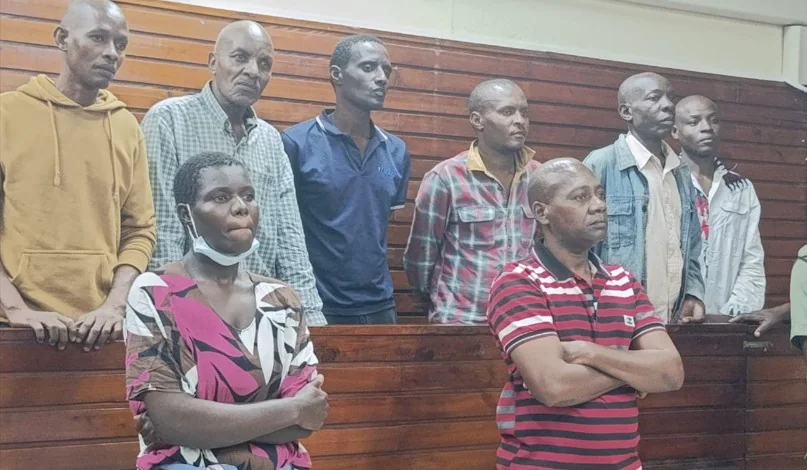
The reparations programme, formally presented at State House by KNCHR Chairperson Claris Ogangah, covers over 1,800 victims of gross human rights violations committed by state security agents during the violently repressed political protests spanning 2017, 2022, 2023, and the turbulent events of 2024 and 2025. The framework explicitly excludes individuals whose businesses were looted or vandalised by civilian mobs, focusing entirely on death, sexual violence, enforced disappearances, and severe physical trauma inflicted by the police.
The families of the 245 individuals who lost their lives to extrajudicial killings and police bullets will receive the highest tier of compensation: Sh2.5 million per victim, alongside the absolute clearance of all associated medical and mortuary bills.
Victims of state-perpetrated sexual violence—including rape, defilement, and sodomy, totalling 75 documented cases—will receive KES 2 million plus comprehensive psychosocial and medical support.
Despite the noble intentions of the framework, the KNCHR is facing immense logistical and political hurdles. The commission recently warned the government that the initial Sh2 billion allocation might be grossly insufficient.
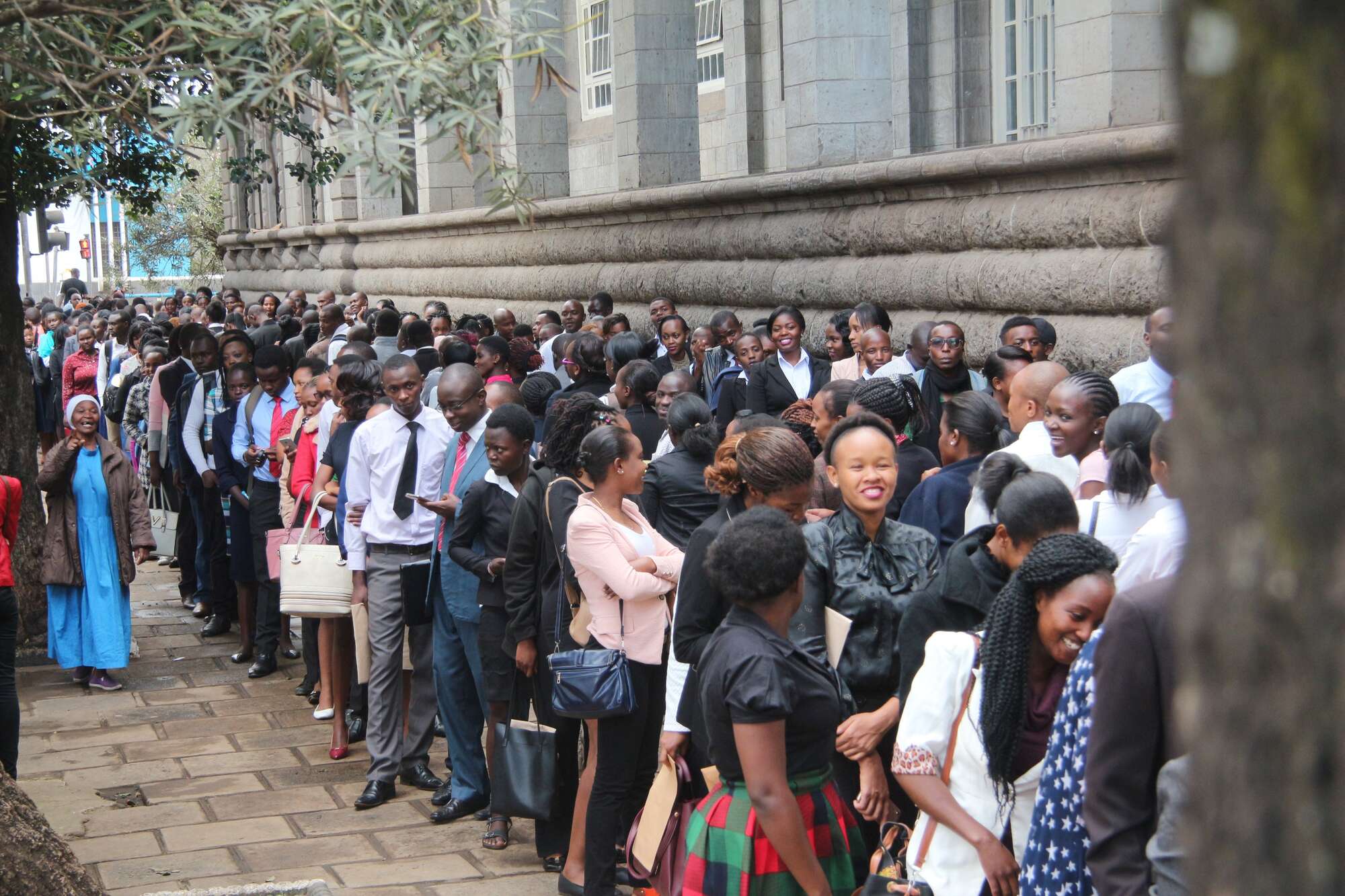
Thousands of unverified claims are still flooding their offices, as citizens and human rights NGOs submit secondary lists of undocumented victims who were previously afraid to come forward due to fear of police reprisal.
Vocal Africa Organisation Rapid Response Officer Ojiro Odhiambo said the Sh2 billion for compensation is inadequate compared to the number of people killed, injured or traumatised by police during the demonstrations.
“They have injuries, and many are still going through therapy. They should be supported until full recovery. The reparation framework should be a continuous process,” he said.
He also faulted the process for being too technical, saying many victims cannot understand or meet the requirements.
“There are too many legal requirements, yet the evidence is in the public domain. Why is KNCHR relying mainly on State agencies? Some victims do not trust police records because some incidents were wrongly recorded as accidents,” he said.
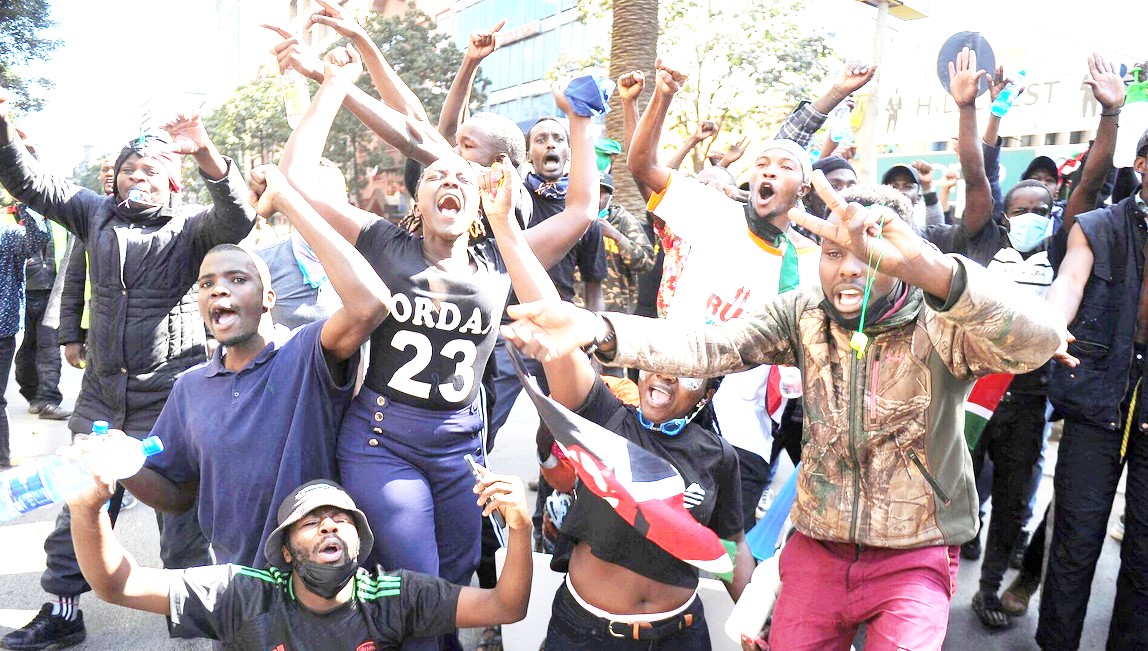 NCIC and Amnesty International Kenya have called for calm and accountability as Kenyans mark the first anniversary of the Gen Z-led protests on Wednesday, June 25, 2025. (Photo: File/Reuters)
Siaya Governor James Orengo has criticised the government’s proposed compensation framework for victims of state-related violence, stating that the plan risks reducing human life to a monetary value instead of prioritising justice and accountability.
Speaking during a presser on Sunday, June 21, 2026, Orengo took issue with the suggested Sh3 million compensation for families of those killed during protests or related incidents, arguing that the amount is far below what courts typically award in civil claims.
“The way this issue of compensation is being handled, instead of accountability and justice being a paramount requirement, they’re putting a price,” Orengo said.
He added that the approach effectively assigns a price tag on every death, warning that it undermines the principle of justice.
“A price tag on every death. If you go to court and you lose a person by way of an accident, or there’s a malicious prosecution, or a policeman kills somebody, and you go to a civil court and sue, you’re most likely going to get damages of Sh20 million or Sh30 million,” he said.
He further argued that the proposed payout of Sh3 million for loss of life, including cases such as that of a young man like Albert Ojwang, is insufficient.
“If they get about Sh3 million for the loss of a young man like Ojwang, I don’t think that that is adequate compensation. In law, justice and accountability are also important. But in awarding compensation, that compensation should also be just,” Orengo said.
The governor maintained that while compensation is important, it must not replace accountability or be treated as a substitute for justice.
Survivors of severe torture and those who suffered permanent physical disabilities (such as amputations or blinding from teargas canisters and live ammunition) are slated to receive Sh1 million. Moderate injuries command Sh500,000, while minor injuries and arbitrary arrests cap at Sh50,000. For the families of the 35 individuals categorised under enforced disappearances, the state will pay out Sh1.5 million while the search for their loved ones theoretically continues.

















Comments
Sign in with Google to comment, reply, and like comments.
Continue with Google