Kenya and other African countries’ biggest challenge in protecting whistleblowers is not the lack of legal frameworks, but weak leadership commitment to enforcing them, experts said during the 2026 World Whistleblower Protection Day commemoration held on June 23.
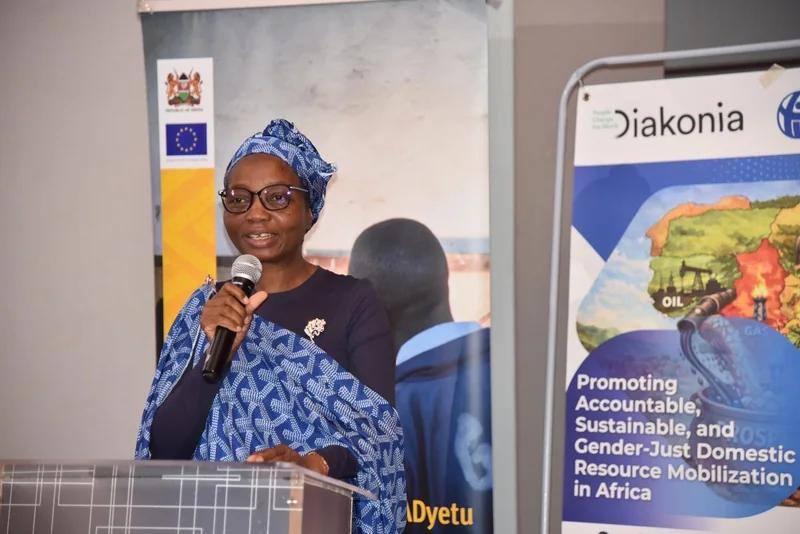
Speaking at the event hosted by Transparency International, Charity Hanene Nchimunya, Executive Secretary of the African Union Advisory Board Against Corruption (AUABC), said African states must move beyond ratifying anti-corruption instruments and focus on implementing practical measures that protect individuals who expose wrongdoing.
She noted that while many countries have put in place legal and policy frameworks for whistleblower protection, enforcement remains weak due to limited political will and institutional commitment.
“Leadership is the biggest gap in enforcing whistleblower protection,” Nchimunya said.
To address this, she called for the creation of dedicated and adequately funded institutions across Africa and the East African region to protect whistleblowers, alongside stronger integrity systems and public awareness campaigns.
Nchimunya further observed that although a 2024 AUABC survey found about 90 per cent of responding countries had established reporting channels for whistleblowers, many of these systems remain inaccessible or ineffective.
“We need to be more intentional in terms of the establishment of safe reporting channels, and also in terms of hiding the identity of the whistleblowers. But if they are known, then it is upon the powers that be to ensure that they are protected to the extent possible.”
She also called for practical support systems, including legal and financial assistance for whistleblowers facing reprisals such as dismissal, demotion, or workplace harassment.
Nchimunya urged governments to strengthen regional cooperation and peer learning so countries can adopt successful protection models from one another.
Busia Senator Okiya Omtatah echoed similar concerns, saying many institutions tasked with fighting corruption have failed in their duty of care to citizens who report wrongdoing.
He said weak enforcement mechanisms continue to discourage people from coming forward with information on corruption and abuse of office.
According to the senator, implementation of the Witness Protection Act remains extremely low, standing at only five per cent despite the existence of the legal framework.
“Most of the institutions that are supposed to deal with corruption do not exercise a duty of care towards citizens who come forward with information,” Omtatah said.
He renewed calls for a standalone whistleblower protection law, noting that a proposed Bill is currently before a National Assembly committee.
Omtatah argued that a dedicated legal framework would provide clearer protections and stronger accountability for institutions handling whistleblower cases.
He also urged the government to develop innovative protection mechanisms, including relocation support for individuals facing threats, so they can safely move within the country without losing their livelihoods.
“We urgently need a standalone whistleblower protection law that guarantees safety, dignity and support for those who expose corruption and wrongdoing.”
The calls come amid growing concern that fear of retaliation, social stigma, and weak institutional safeguards continue to undermine efforts to combat corruption.
Speakers at the event also urged governments, civil society organisations, and regional bodies to work together to ensure whistleblowers are protected rather than punished, describing them as key partners in promoting integrity, transparency, and accountability.































Comments
Sign in with Google to comment, reply, and like comments.
Continue with Google