LSK threatens legal action if Finance Act 2026 violates Constitution

Listen
Read this story aloud
Listen to the clean text version of this article.
LSK President Charles Kanjama said the society would closely monitor the rollout of the new tax measures, particularly provisions affecting digital services, withholding taxes and compliance obligations for businesses and taxpayers.
In a statement issued a day after the legislation came into force, LSK President Charles Kanjama said the society would closely monitor the rollout of the new tax measures, particularly provisions affecting digital services, withholding taxes and compliance obligations for businesses and taxpayers.
While acknowledging that the Finance Act seeks to broaden the country's tax base and improve revenue collection, Kanjama cautioned that its implementation must remain faithful to the Constitution and protect citizens from arbitrary administrative actions.
More To Read
- Lawyers move to court to block key Finance Act 2026 provisions, cite constitutional violations
- LSK calls for reforms in protest policing after June 25 demos, faults masked officers
- LSK, rights groups issue seven‑point police guideline ahead of June 24 anniversary
- Finance Act 2026: Key tax proposals dropped
- 𝐄𝐚𝐬𝐭𝐥𝐞𝐢𝐠𝐡 𝐕𝐨𝐢𝐜𝐞 𝐚𝐭 𝐍𝐢𝐧𝐞 - Court tours Malindi crime scenes in Kwa Binzaro murder trial probe
- Ruto: No new taxes on land, M-Pesa, bottled water or mitumba in Finance Act 2026
“The Finance Act, 2026, officially took effect yesterday, and the LSK remains highly vigilant regarding its implementation across all sectors,” Kanjama said.
He noted that although the legislation is intended to strengthen tax administration, “its far-reaching provisions on digital services, withholding taxes and compliance timelines must be balanced against economic fairness.”
Kanjama said the Law Society's Council would closely assess how the new tax measures affect ordinary Kenyans and the business environment.
Latest Stories
- Somali Forces, allies kill 27 Al-Shabaab fighters in joint airstrikes
- Autopsy confirms youth mobiliser Cecil Ouma died from single gunshot wound to chest as probe intensifies
- Heroin worth Sh1 million seized in bus bust on Mombasa–Nairobi Highway
- Stem cell breakthrough offers hope for blindness treatment
“Our Council will keenly monitor how these new fiscal measures impact ordinary citizens and the business environment. We stand ready to challenge any administrative overreach that compromises public interest or constitutional equity,” he said.
His remarks signal the possibility of fresh legal challenges should state agencies exceed their mandate while enforcing the new tax law.
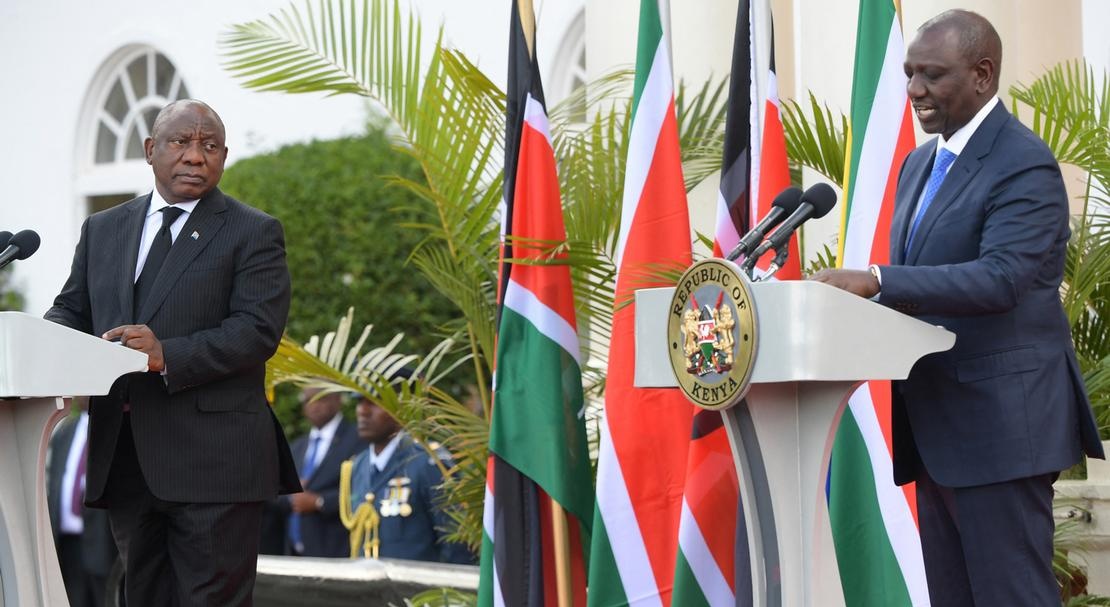
The Finance Act 2026 was signed into law by President William Ruto following its approval by the National Assembly, paving the way for the implementation of the Sh4.82 trillion national budget for the 2026/2027 financial year.
Defending the legislation, President Ruto said the Act is intended to strengthen tax administration by sealing revenue leakages, improving compliance and enhancing fairness within the tax system rather than introducing broad-based tax increases.
“The signing of the Act consolidates our efforts to strengthen revenue mobilisation and ensure efficiency in tax administration,” the President said.
He dismissed claims that the law introduces new taxes on freehold land, mobile money transactions, informal traders or essential locally manufactured goods, describing such assertions as “propaganda, misinformation, disinformation and fake news.”
Other Topics To Read
Top Stories Today














































Comments
Sign in with Google to comment, reply, and like comments.
Continue with Google