Treasury explains termination of Nairobi–Nakuru–Mau Summit Highway PPP over Sh200 billion deficit risk
Listen to article

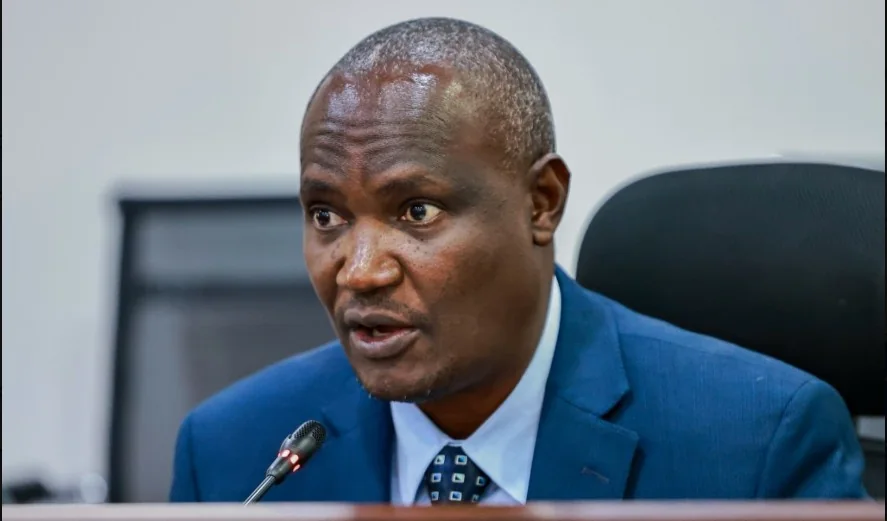
Mbadi said the government’s review of the project was guided by the need to ensure long-term infrastructure investments remained affordable and sustainable.
The National Treasury has explained the reasons behind the termination of the original Nairobi–Nakuru–Mau Summit Highway Public Private Partnership (PPP) agreement in 2025, saying the project would have required annual government payments of about Sh23 billion and resulted in a projected funding deficit of up to Sh200 billion.
In a statement issued on Thursday, Treasury Cabinet Secretary John Mbadi said the government’s review of the project was guided by the need to ensure long-term infrastructure investments remained affordable and sustainable.
“The Government’s stewardship of public finances requires every long-term infrastructure commitment to uphold fiscal sustainability, prudent management of public resources, and sustainable economic development throughout the life of the investment,” Mbadi said.
More To Read
- Mombasa-Kilifi highway expansion gains momentum after compensation clears delays
- MUHURI and other rights groups give KeNHA 14-day ultimatum over stalled Coast road projects
- KeNHA announces partial closure of Southern Bypass for Nairobi Marathon
- Kilifi road projects advance amid compensation delays, encroachment
The Treasury said the review was undertaken after major economic changes experienced between 2020 and 2022, including global inflation, depreciation of the Kenya shilling, reduced fiscal space and increased public debt obligations.
According to the statement, the original PPP structure required the government to make annual availability payments of approximately Sh23 billion, while retaining demand and revenue risks throughout the concession period.
“The reassessment undertaken by the Government established that the original Project Agreement no longer aligned with the fiscal objectives necessary to support sustainable infrastructure financing,” the statement said.
Latest Stories
- A simple blood test could end years of waiting for an endometriosis diagnosis
- Messi vs Ronaldo: The 'goat' debate that defined football history
- Somali leaders in Minnesota accuse Trump of fuelling anti-Muslim rhetoric after sharing photo of children
- IG Kanja told to produce Isiolo Governor Abdi Guyo as Senate demands answers on county spending
Treasury said the review found that the original arrangement could have resulted in a cumulative funding deficit of up to Sh200 billion during the first 15 years of the concession.
The government subsequently engaged the project company in a restructuring process aimed at developing a more affordable financing model. However, Treasury said the talks did not produce a framework that met the government’s fiscal objectives, leading to the termination of the original agreement.
The project later moved to a revised commercial structure after the Kenya National Highways Authority received a new proposal that went through the required processes under the Public Private Partnerships Act.
Treasury said the new agreements signed in May and June 2026 adopted a user-pay toll model, shifting demand and revenue risks to the private sector and eliminating annual government availability payments.
“The current Project Agreements strengthen the Government’s infrastructure financing policy through a commercial framework that transfers demand and revenue risk to the private sector, mobilises private financing, reduces long-term fiscal exposure, and preserves fiscal space,” Mbadi said.
The Treasury said the revised approach will guide future infrastructure investments by prioritising fiscal sustainability, protecting public finances and encouraging private sector participation in strategic development projects.
Top Stories Today











































Comments
Sign in with Google to comment, reply, and like comments.
Continue with Google