Senators blame weak enforcement for continued pollution despite tough environmental law

Listen to article

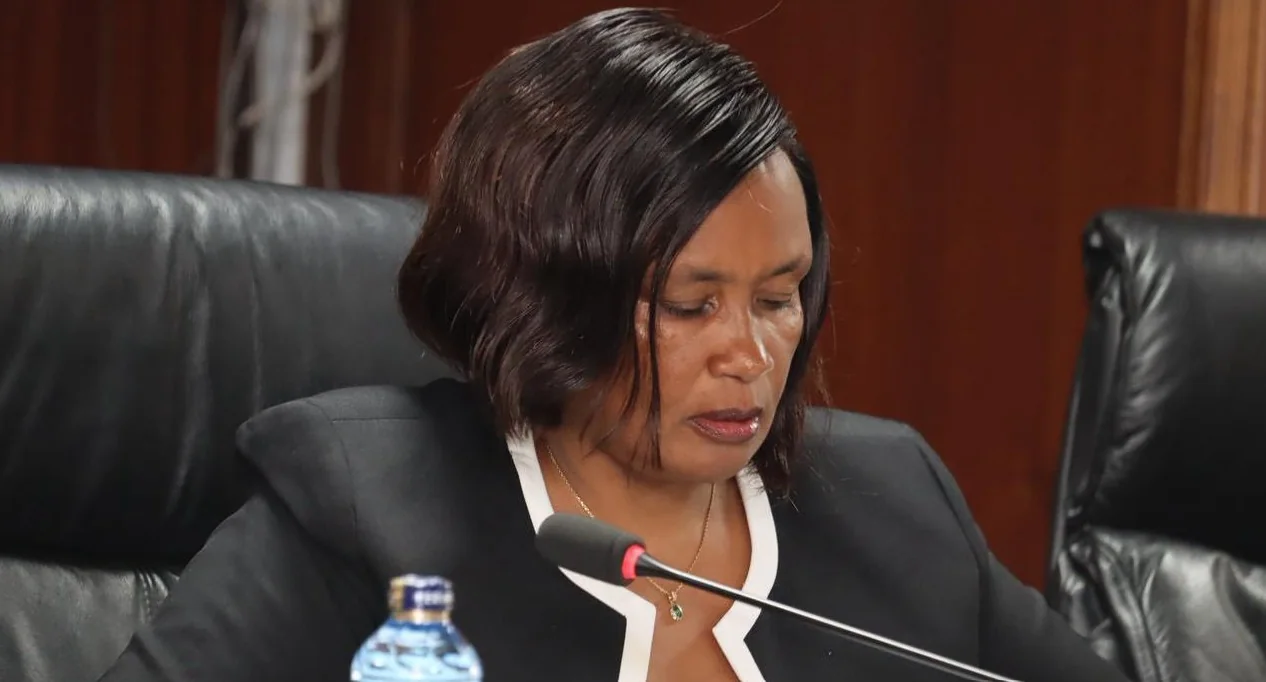
The concerns were raised on Wednesday after Environment CS Deborah Barasa appeared before the legislators to respond to questions on the government’s preparedness to tackle industrial pollution, hazardous waste and toxic exposure.
Senators have accused the Ministry of Environment of failing to deliver meaningful action against pollution despite Kenya having a wide legal framework to protect the environment and manage hazardous waste.
The concerns were raised on Wednesday after Environment Cabinet Secretary Deborah Barasa appeared before the legislators to respond to questions on the government’s preparedness to tackle industrial pollution, hazardous waste and toxic exposure.
The legislators said weak enforcement has continued to expose Kenyans to industrial emissions, toxic waste, unsafe electronic waste disposal and contaminated water sources. They argued that while Kenya has developed policies and laws aimed at protecting the environment, implementation remains a major challenge, with pollution continuing to affect communities across the country.
The legislators also criticised the National Environment Management Authority (NEMA), saying the agency had failed to effectively address environmental challenges and should be strengthened to better carry out its mandate.
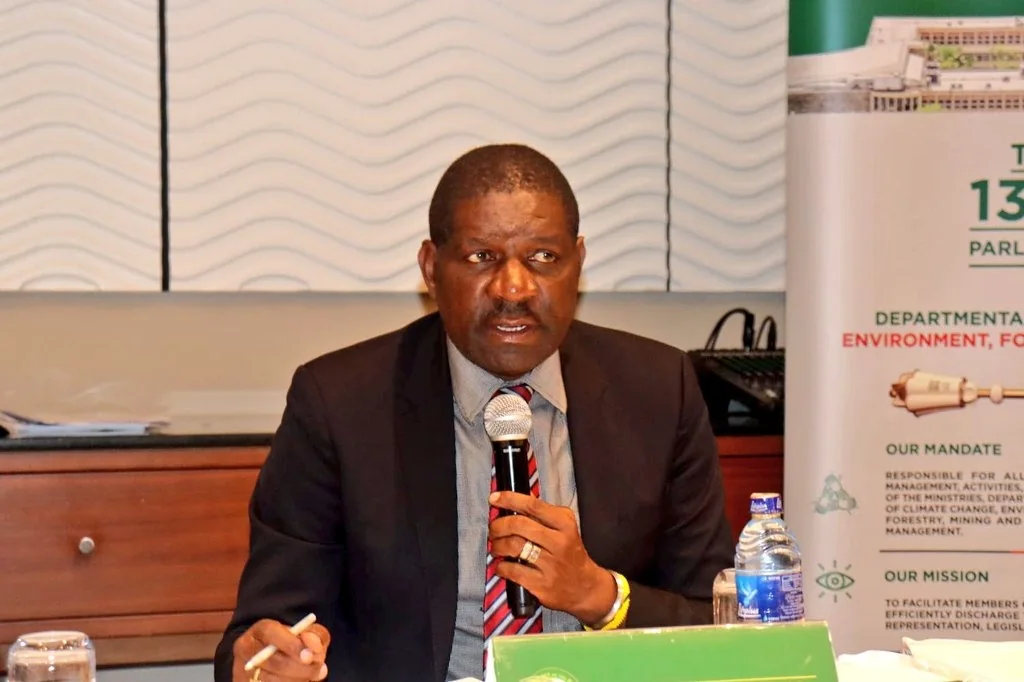
Nominated Senator Hamida Kibwana sought details on measures the government had put in place to prevent and punish industrial pollution, unsafe electronic waste handling, toxic dumping and other activities exposing Kenyans to harmful substances in soil, water and air.
Senator Kibwana also sought clarification on how the Ministry works with NEMA, county governments, public health authorities and other regulators to monitor pollution hotspots, whether a national assessment of environmental health risks had been carried out and the reforms being introduced to strengthen pollution control.
Latest Stories
- Court clears Innocent Muganda to assume Political Parties Disputes Tribunal chairmanship
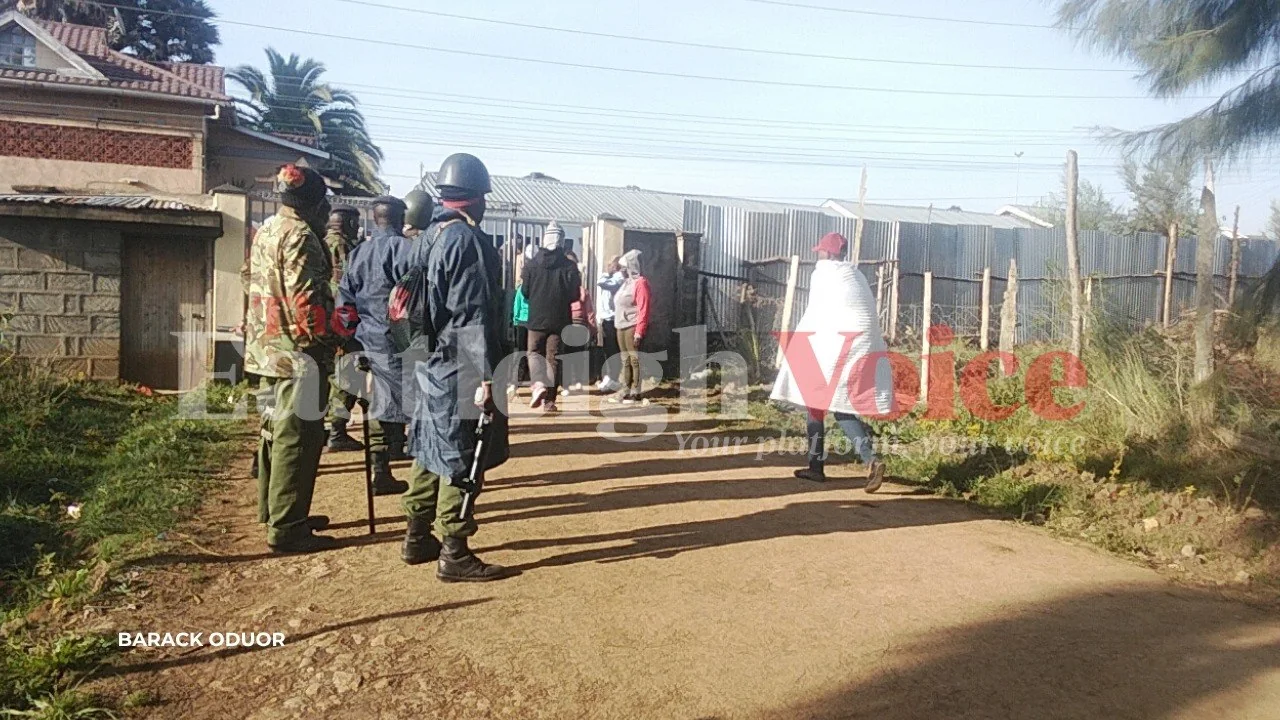
- Government orders probe into Ol Kalou by-election violence after journalists attacked
- Over 50 per cent of registered voters cast ballots in Ol Kalou by-election amid chaos - IEBC
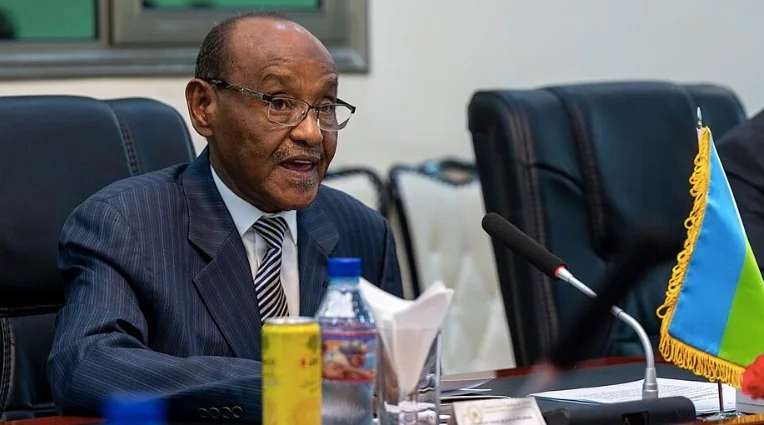
- Djibouti Defence Minister Hassan Omar Mohamed dies while receiving treatment in France
Responding to the questions, CS Barasa said Kenya already has an extensive legal framework to address environmental pollution, including the Environmental Management and Coordination Act (EMCA), the Sustainable Waste Management Act, 2022 and regulations issued in 2024 covering air quality, water quality, waste management, hazardous chemicals and Extended Producer Responsibility (EPR).
She said the laws provide NEMA with powers to inspect facilities, issue improvement notices, restore damaged environments, close industries that fail to comply and prosecute offenders.
According to Barasa, NEMA increased enforcement activities during the previous financial year through targeted inspections and environmental compliance programmes.
"Inspectors conducted enforcement operations on 101 facilities within the Nairobi Metropolitan area to address illegal discharge of industrial waste into rivers and waterways. The Authority has also started identifying and shutting down 400 illegal discharge points along the Athi-Galana-Sabaki River system,” she said.
She added that environmental audits remain an important compliance tool, with 6,673 audits submitted during the 2024/25 financial year and nearly 9,800 audits reviewed in the current financial year. Barasa said the audits resulted in improvement notices and corrective directives being issued to facilities that violated environmental standards.
She also revealed that specialised compliance audits had been carried out in hospitals, agrochemical companies, renewable energy projects, mining operations and asbestos disposal facilities.
“Industries found violating environmental regulations face improvement orders, restoration directives requiring damaged ecosystems to be repaired, closure orders and criminal prosecution where necessary. Two facilities have already been closed for environmental violations, while five individuals were arrested and prosecuted over illegal discharge of industrial waste during the previous financial year,” she said.
On waste management, Barasa defended the government’s implementation of the Extended Producer Responsibility framework, saying producers are now legally required to take responsibility for waste generated from their products after consumption.
She said four Producer Responsibility Organisations are currently operating and managing hazardous waste, electronic waste and other waste streams. The Ministry reported that 296 producers whose waste materials were found polluting rivers had been directed to carry out clean-up exercises and take responsibility for waste generated from their products.
The Cabinet Secretary also highlighted agreements aimed at improving waste collection through better compensation of waste handlers.
She revealed that on July 10, 2026, NEMA facilitated an agreement where hazardous waste pickers would receive Sh20 per kilogramme of waste collected, while aggregators and transporters would also receive agreed payments to improve waste collection and safe disposal.
The CS said pollution control requires cooperation between national and county governments, adding that NEMA conducts joint enforcement operations with agencies such as EPRA and county authorities.
“The Ministry has also expanded enforcement capacity by training officers from county governments and other lead agencies through the Basic Enforcement Course, after which they are gazetted as environmental inspectors,” she said.
She cited NEMA’s Incident Management System, which allows the public to report environmental incidents, noting that “Twelve incidents involving hazardous chemical spills, fires, leaks and toxic releases had already been responded to during the current financial year and remained under monitoring until affected sites are fully restored.”
Barasa emphasised that a national assessment of environmental health risks covering all 47 counties found that open burning of waste and unsafe electronic waste recycling were major sources of toxic emissions and heavy metals.
The assessment also identified weak waste collection systems, limited recycling facilities and low public awareness as contributors to environmental pollution. She said the findings informed new waste management regulations and measures to strengthen hazardous chemical control.
She added that Kenya is adopting international environmental standards while shifting to risk-based inspections, stronger penalties for polluters, improved laboratory systems, digital compliance tools and regulated electronic waste recycling.
However, senators said the main challenge was not a lack of laws but weak enforcement. They questioned why rivers remain polluted despite inspections and audits, urging the Ministry to focus on implementing existing laws.
The CS assured the Senate that the government remains committed to protecting Kenyans from industrial pollution and hazardous waste through stronger enforcement and cooperation with other agencies.
Top Stories Today



































Comments
Sign in with Google to comment, reply, and like comments.
Continue with Google