Google will begin allowing third-party Android app stores to operate more closely with the Google Play ecosystem in the United States from July 22, marking one of the biggest changes to Android's app distribution model in years following its long-running legal battle with Epic Games.
The move comes as Google complies with a US federal court injunction requiring it to loosen its control over Android app distribution after a jury found that the company had unlawfully maintained a monopoly over Android app marketplaces and billing systems.
While the changes are expected to reshape how Android users in the United States discover and download applications, there will be no immediate changes for Android users in Kenya or other markets outside the US.
Beginning July 22, approved third-party Android app stores in the United States will be able to participate in Google's Play Catalog Access programme.
This will allow them to display app listings from Google Play, including app names, descriptions, screenshots, icons and other metadata, making it easier for users to discover apps outside Google's own storefront.
Google notified developers in June that, unless they opt out, their app listings will automatically become available on participating third-party Android app stores.
Developers will still be able to manage where their apps appear through Google Play Console.
The changes stem from Epic Games' landmark antitrust lawsuit, which accused Google of using restrictive agreements with smartphone manufacturers and developers to suppress competition and reinforce Google Play's dominance.
Although Google appealed the ruling, the courts upheld the injunction, requiring the company to open parts of the Play ecosystem to competing app marketplaces.
Unlike conventional sideloading, which requires users to manually download installation files and override Android security warnings, the new system allows participating app stores to integrate more closely with Google Play.
Downloads will continue to benefit from Google's Play Protect security scanning and other security measures.
Google has also introduced eligibility requirements for participating app stores, saying only marketplaces that meet its security standards will qualify.
What it means for Kenya
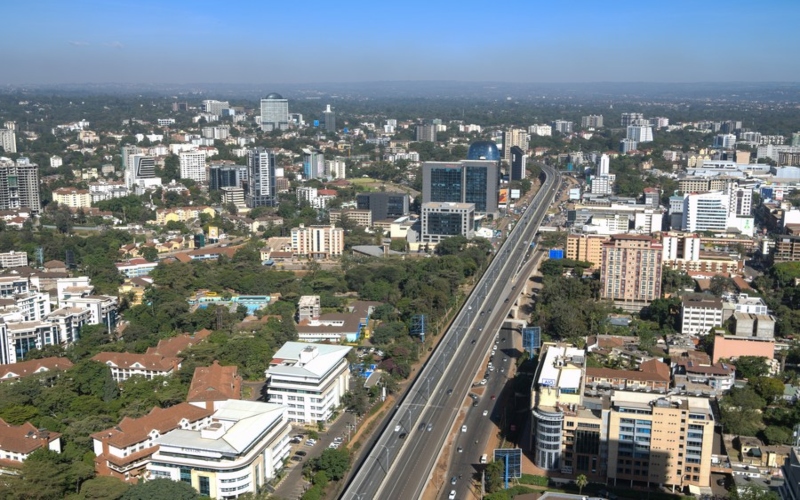
For Kenyan Android users, the July 22 rollout will not change how apps are downloaded.
Google Play will remain the primary app marketplace for Android devices in Kenya, and users will continue accessing apps through the Play Store as they do today.
Although Android already allows users in Kenya to install third-party app stores through sideloading, the new Play Catalog Access programme is currently limited to the United States because it is being introduced to comply with a US court order.
Kenyan developers who publish apps on Google Play could, however, benefit indirectly.
Their app listings may become visible in eligible third-party app stores in the United States unless they choose to opt out, potentially increasing their exposure to US users.
Google has not announced plans to roll out the same Play Store interoperability requirements globally.
While the company operates a separate Registered App Stores programme in some international markets, it does not offer the same level of integration as the US initiative.
The July 22 changes, therefore, represent a significant shift for the US Android ecosystem rather than a global overhaul, though the outcome could influence future competition policies in other countries if regulators pursue similar antitrust measures.




































Comments
Sign in with Google to comment, reply, and like comments.
Continue with Google