Kenya has begun preparing its first State of Openness Report in a move aimed at measuring the level of transparency across government institutions, improving accountability and identifying reforms needed to strengthen public trust.
The report, which is expected to be launched later this year, will provide a national benchmark for assessing how ministries, departments, agencies, constitutional commissions and county governments perform in providing access to information and promoting openness.
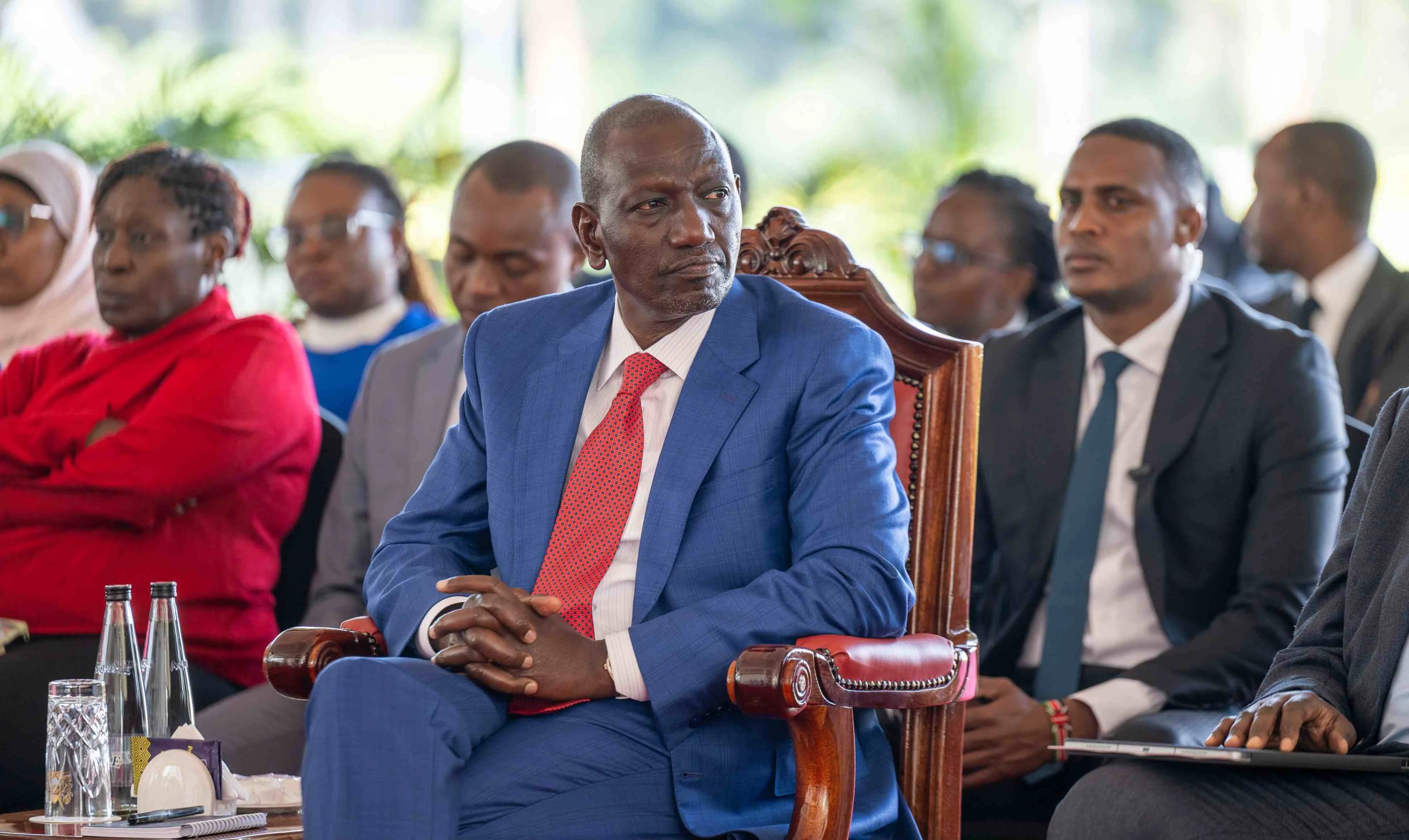
President William Ruto announced the initiative on Thursday during the launch of consultations for the report at State House in Nairobi, saying the exercise would give an honest assessment of government performance while identifying areas that require improvement.
He also directed all public institutions to cooperate fully with the Commission on Administrative Justice (CAJ) by providing timely and complete information throughout the process.
According to the President, the report will be the first of its kind globally and will help guide future reforms designed to improve transparency and strengthen confidence in public institutions. The findings are expected to shape government efforts to make information more accessible while improving accountability across the public sector.
The initiative comes as the government continues to implement measures aimed at increasing openness in public administration through wider access to information, digital services and reforms in public finance management.
In a statement after the launch, President Ruto said the government is committed to making information more accessible in all public institutions as part of efforts to improve transparency and accountability.
"We are working towards entrenching openness across government by ensuring wide access to information in ministries, departments and agencies," said the President.
He added that the government's goal is to strengthen public confidence while addressing the spread of false information through greater openness and access to verified information.
"Our objective is to build and earn public trust while confronting the growing threat of fake news, misinformation, disinformation and propaganda through transparency, accountability and accessibility to accurate information," said the President.
As part of these efforts, the government has continued to expand the digitisation of public services. President Ruto said the number of government services available online has increased from 350 in 2022 to more than 26,000, making it easier for citizens to access services while improving accountability within government institutions.
The government has also introduced a Unified Government Digital Payment Platform, which is intended to improve the collection of public revenue by reducing leakages and limiting opportunities for corruption. According to the President, the system is designed to ensure that payments made to government institutions are properly accounted for while improving financial management.
In public procurement, the government has implemented electronic procurement systems aimed at increasing transparency and promoting fair competition during the awarding of contracts. The move is expected to improve the use of public resources by making procurement processes more open and easier to monitor.
President Ruto also highlighted legal reforms introduced to strengthen governance in public institutions. He said a new law governing recruitment in government‑owned enterprises is promoting merit‑based and competitive appointments while reducing political influence in the hiring process.
He further pointed to the recently enacted Conflict of Interest Act, saying it strengthens integrity in public service by reinforcing transparency, accountability and ethical conduct among public officers.
The President also said the National Infrastructure Fund has been structured with new safeguards intended to improve institutional independence and accountability. Among the reforms introduced is a reduction in the President's role in appointing members of the fund's governing council, a move intended to strengthen oversight and transparency in the management of public resources.
The CAJ will lead the preparation of the State of Openness Report by collecting information from ministries, departments, agencies, constitutional commissions and county governments across the country. The report will assess the current state of transparency in government institutions, identify existing gaps and recommend reforms that can improve accountability and public access to information.
Once completed, the report is expected to provide the government with a reference point for measuring progress in openness while helping shape future policies aimed at improving governance and strengthening public trust in state institutions.


































Comments
Sign in with Google to comment, reply, and like comments.
Continue with Google