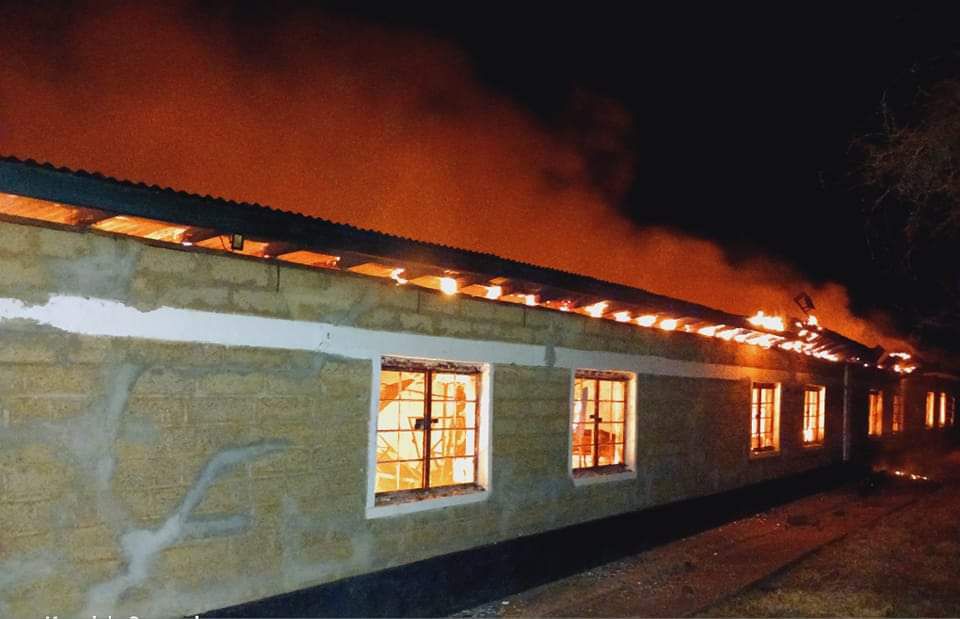
Education stakeholders have opposed the government’s plan to establish a new task force to investigate the recent wave of school unrest and dormitory fires, arguing that previous investigations have already identified the causes of the problem and proposed solutions that are yet to be implemented.
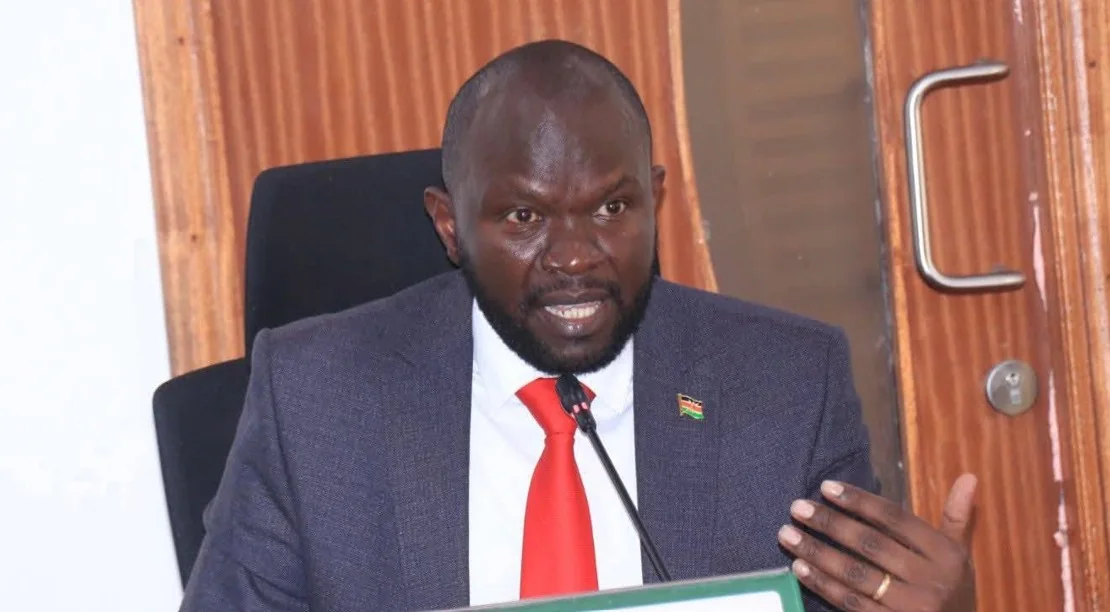
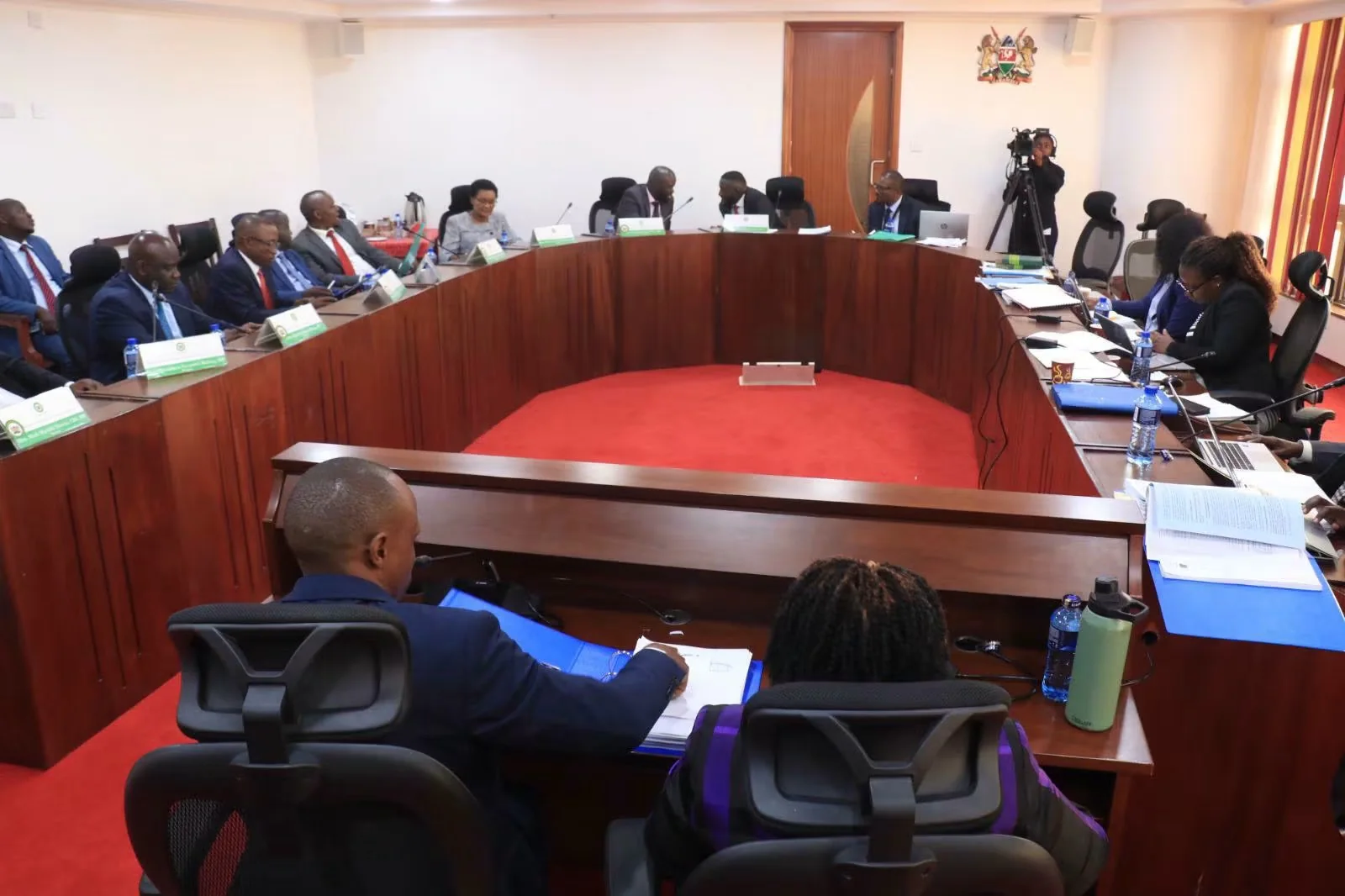
Last week, Education Cabinet Secretary Julius Ogamba announced that the special task force would be gazetted within two weeks. He said the multi-stakeholder team, which will for the first time include students and parents, will travel across the country to collect views and recommendations before submitting its report within 90 days.
However, education experts have urged the government to focus on implementing recommendations contained in earlier reports instead of commissioning another investigation.
The Education Stakeholders Association of Kenya (ESAK) said the country already has enough evidence on the causes of school unrest and should now focus on putting the recommendations into action.
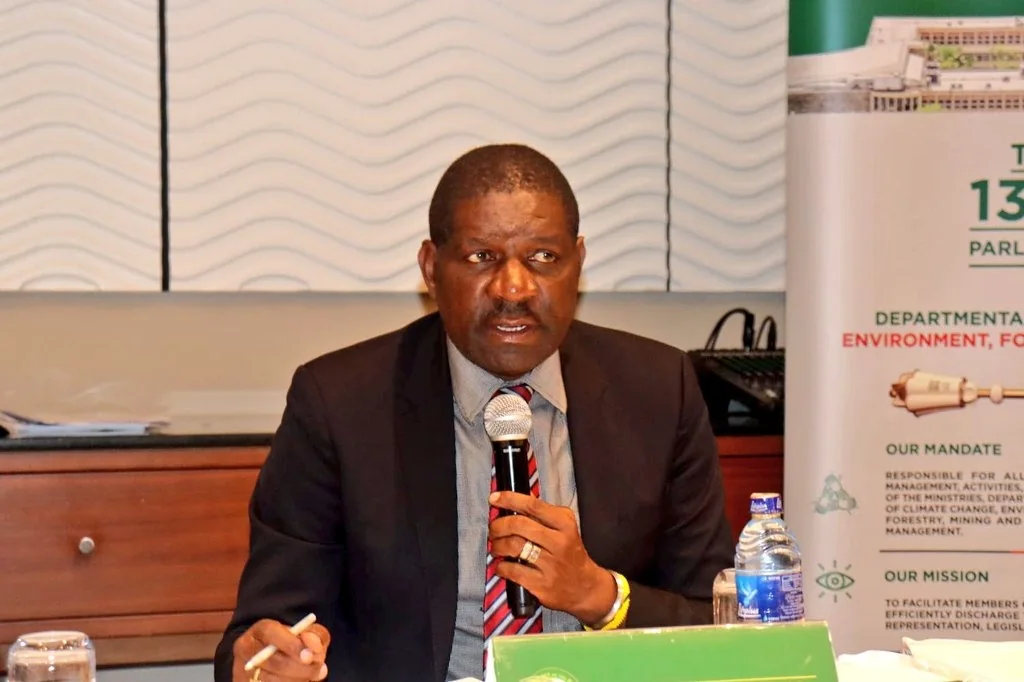
“We do not need another task force on school unrest. We already have enough reports that have clearly identified the causes of unrest and proposed practical solutions. What we need now is political will and commitment to implement those recommendations. Forming another task force without addressing the implementation gap will only delay the reforms that schools urgently need,” ESAK National Secretary Ndung’u Wangenye told The Daily Nation.
According to the stakeholders, previous commissions recommended reviewing the school examination calendar, reducing pressure associated with mock examinations and strengthening guidance and counselling programmes.
They also recommended improving communication between school administrators and learners, increasing student participation in decision-making, and improving school infrastructure and safety standards.
Despite those recommendations, mock examinations continue to be administered in many schools, maintaining the examination pressure highlighted in earlier reports.
Elimu Bora Working Group strategist Boaz Waruku questioned the need to launch another investigation, saying teachers, parents and education experts have for years submitted memoranda outlining both the causes of school unrest and possible solutions.
“The country does not have a shortage of reports on school unrest. What we have is a shortage of implementation. The answers are already in government files. Teachers have spoken. Parents have spoken. Education experts have spoken. What is missing is not information, it’s political will,” he said.
Waruku said repeatedly appointing task forces without acting on their findings creates the impression that the government is avoiding the root causes of the problem.
“This idea of setting up another task force instead of dealing with the root causes tells you that somebody is either not keen on resolving the matter or is completely incompetent and unable to address it,” he said.
He also questioned whether the planned task force was intended to manage public anger rather than address the problem.
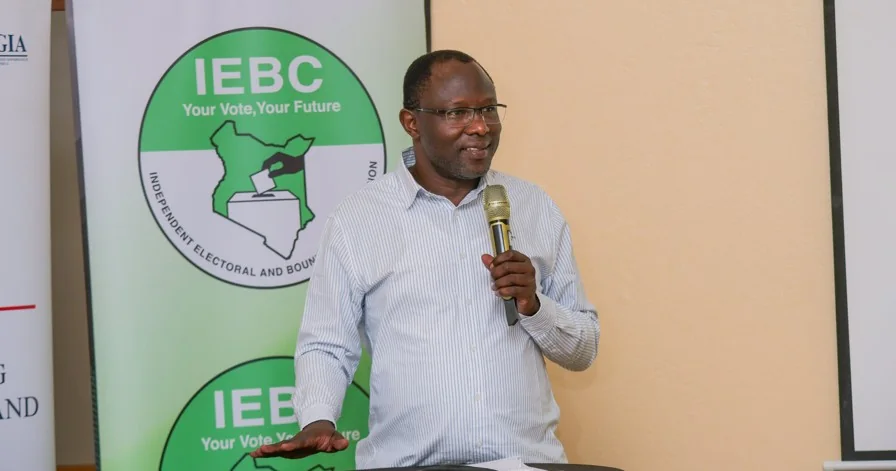
National Parents Association chairperson Silas Obuhatsa supported the planned task force but said it should build on previous findings instead of beginning a fresh inquiry.
“We support the task force because the country needs answers, but it should not start from scratch. It must build on what has already been documented and identify what has not been implemented,” he said.





































Comments
Sign in with Google to comment, reply, and like comments.
Continue with Google