The government has been urged to increase and release capitation funds to public secondary schools on time instead of allowing schools to shift the financial burden to parents by increasing school fees.
This comes after secondary school principals proposed a review of school fees, arguing that institutions can no longer operate sustainably under the current funding model due to rising costs and delayed government support.
The proposal, tabled during the Kenya Secondary School Heads Association (KESSHA) annual conference in Mombasa last week, seeks the first review of school fees since 2015.
If approved, learners in national schools would see annual fees rise from Sh53,554 to Sh87,781, while parents with children in extra-county and county boarding schools would pay Sh83,622, up from Sh40,535. Those with children in day schools would pay Sh7,675 annually.
KESSHA said the review is necessary because government capitation has not matched the increasing cost of running schools and has often been delayed.
By the second term of 2026, schools had received only 56 per cent of the expected annual capitation, leaving a funding gap equivalent to 24 per cent of the annual allocation per learner. The government currently provides Sh22,244 annually for every secondary school learner.
The National Parents Association (NPA) has opposed the proposal, saying the government should explore other ways of financing education instead of increasing the burden on parents.
“The government is funding education to the extent that it can afford. However, if it is unable to fully finance education, parents should not be made to bear the burden of fee increases,” NPA national chairperson Silas Obuhatsa said.
Obuhatsa warned that increasing fees would worsen financial difficulties for families already struggling with the high cost of living.
“How logical is it to ask a parent who cannot raise Sh1,000 because of poverty to suddenly find Sh30,000? We understand the financial difficulties schools are facing, but the government should come up with an alternative mechanism to support schools. Otherwise, vulnerable families, particularly those with children joining senior school, risk being locked out of education,” he said.
Parents have also questioned why they should continue paying additional costs such as transport, uniforms and learning materials when public education is expected to be largely financed by the State.
KESSHA has maintained that schools are facing increased expenses in food, electricity, fuel, salaries and learning materials. The association also said the implementation of Competency-Based Education has introduced extra costs due to the need for specialised equipment, infrastructure and teachers.
The principals warned that unless capitation is increased and released on time, schools may be forced to reduce services, delay maintenance, postpone payments to suppliers or seek additional contributions from parents.
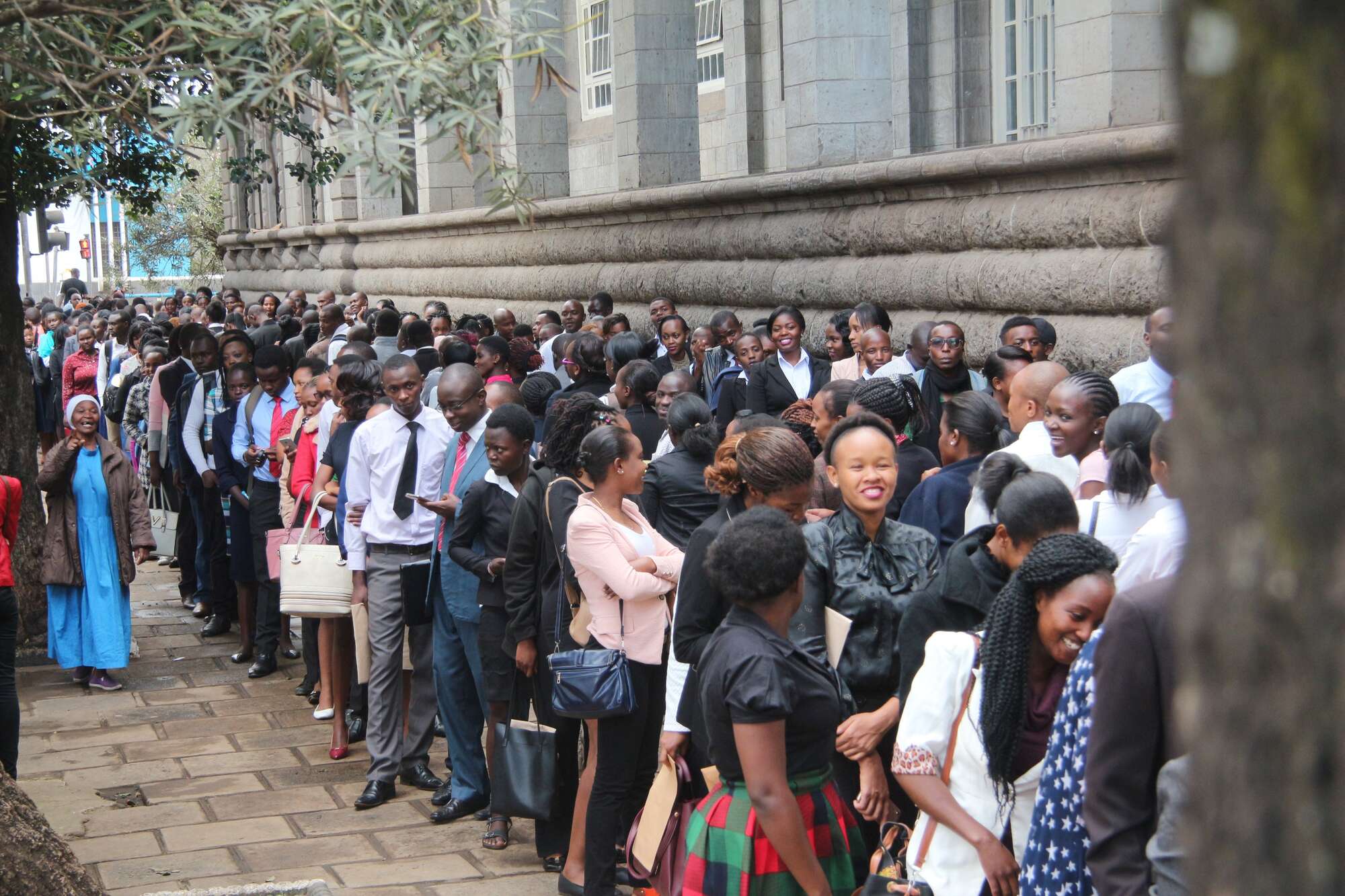
Education stakeholders have raised concerns that the proposed fee increases could make secondary education unaffordable for many families, with vulnerable learners at risk of dropping out or moving to cheaper institutions.
The Kenya Union of Post-Primary Education Teachers (KUPPET) blamed delays in capitation disbursement for the financial challenges affecting schools.
“As a union, we remain concerned by the perennial delays in the disbursement of capitation funds. It is becoming difficult for us to track how much capitation is being disbursed because of constant changes in the criteria and contradictory circulars issued by the Ministry of Education,” KUPPET Deputy Secretary General Moses Nthurima said.
The Kenya Teachers in Hardship and Arid Areas Welfare Association (Kethawa) also opposed a general increase in school fees, saying individual institutions should only seek additional payments after consulting parents and receiving approval from the Ministry of Education.
“I do not support the proposal. Schools have different needs, and any decision to increase fees should be left to individual institutions and parents. What we want to see is the immediate release of capitation. There are still arrears dating back to 2018, and the ministry should gradually start paying them,” Kethawa National Secretary Ndung’u Wangenye said.





















Comments
Sign in with Google to comment, reply, and like comments.
Continue with Google