Africa’s agricultural policymakers and global experts are calling for accelerated reforms in food systems regulation and investment frameworks.
This is as climate risks and population growth intensify pressure on food security across the continent.
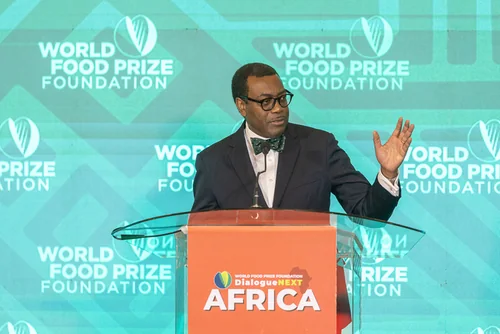
The call came during the DialogueNEXT in Africa conference held in Nairobi, bringing together government officials, scientists, agripreneurs, farmers and development partners to explore how policy, innovation and investment can strengthen Africa’s agricultural resilience.
The event, hosted by the World Food Prize Foundation, focuses on unlocking agri-tech solutions while addressing regulatory bottlenecks and financing gaps that continue to slow agricultural transformation across Africa.
Discussions are centred on improving agricultural regulations, scaling farmer-centred innovation, boosting smallholder productivity, strengthening nutrition outcomes and building more efficient value chains.
A ministerial panel is also examining policy and regulatory barriers that hinder agricultural investment and innovation.
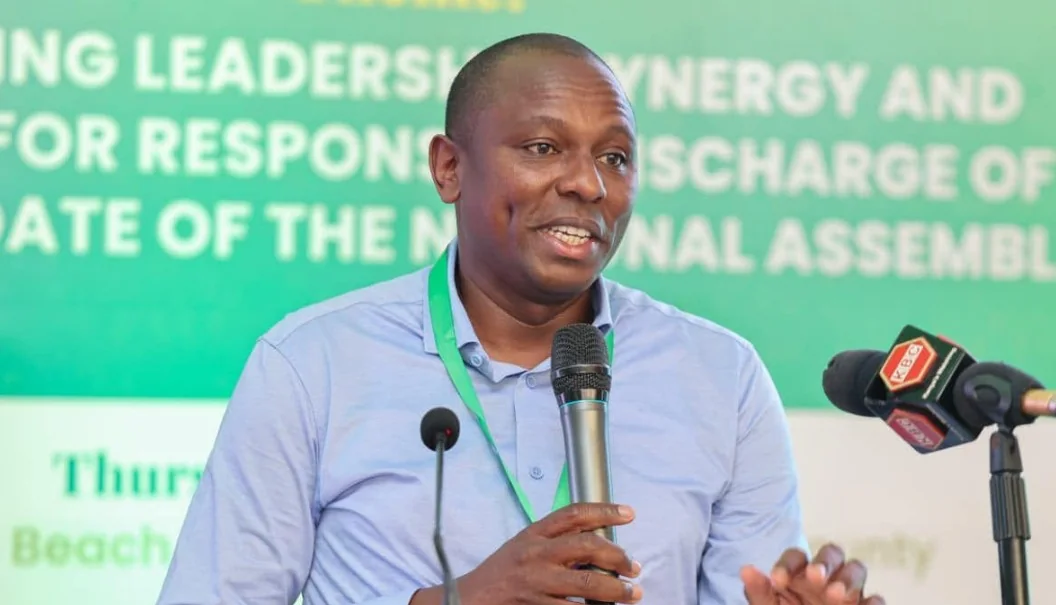
Kenya’s Cabinet Secretary for Agriculture and Livestock Development, Mutahi Kagwe and Madagascar’s Minister of Livestock, Riana Nantenaina Randrianomenjanahary, are among senior officials who graced the discussions.
The forum, themed ‘Born to Feed the Future,’ highlights Africa’s growing push to shape its own food systems through homegrown innovation led by farmers, researchers and young agripreneurs, rather than relying on external solutions.
The Nairobi meeting forms part of the DialogueNEXT global series, which has previously been hosted in Mexico and India, continuing the legacy of Nobel Peace Prize Laureate Dr Norman E. Borlaug, who referred to Africa as “the last frontier” in the global fight against hunger.
“Hosting this conversation in Africa is not just symbolic, but necessary. This continent is home to some of the world's most dynamic agricultural systems and most resilient farmers, yet it remains chronically underinvested in,” said Akinwumi Adesina, former AfDB president.
“The challenges, climate shocks, fragile supply chains, and growing populations are real, but so are the solutions, which are increasingly being developed by African scientists, farmers and entrepreneurs. The insights that emerge from Nairobi will help shape the global agenda.”
The conference comes at a time of heightened climate concerns, with experts warning that El Niño conditions and rising global temperatures could significantly affect agricultural output.
At 2°C of warming, crop yields in sub-Saharan Africa could fall by about 10 per cent, with sharper declines expected beyond that threshold.
The outcomes of the Nairobi dialogue are expected to feed into global preparations for the Norman E. Borlaug International Dialogue scheduled for October 2026 in Iowa, USA.












































Comments
Sign in with Google to comment, reply, and like comments.
Continue with Google