The Royal Moroccan Football Federation (FRMF) has thrown its full support behind head coach Mohamed Ouahbi, confirming that he will remain in charge of the Atlas Lions despite their quarter-final exit at the 2026 FIFA World Cup, as the North African nation begins preparations for hosting the 2030 tournament.
The decision was reached during a meeting of the FRMF Executive Committee, chaired by Federation President Fouzi Lekjaa at its headquarters in Rabat, where officials reviewed Morocco's World Cup campaign and outlined the country's long-term football strategy ahead of co-hosting the 2030 FIFA World Cup alongside Spain and Portugal.
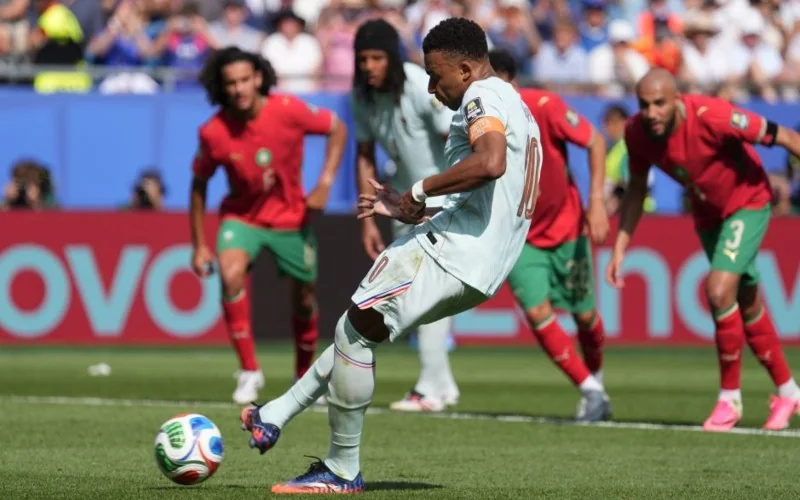
Although Morocco's campaign ended with a 2-0 defeat to France in the quarter-finals, the Federation described the team's performance as "positive and commendable", insisting the result represented another important milestone in the country's remarkable football journey.
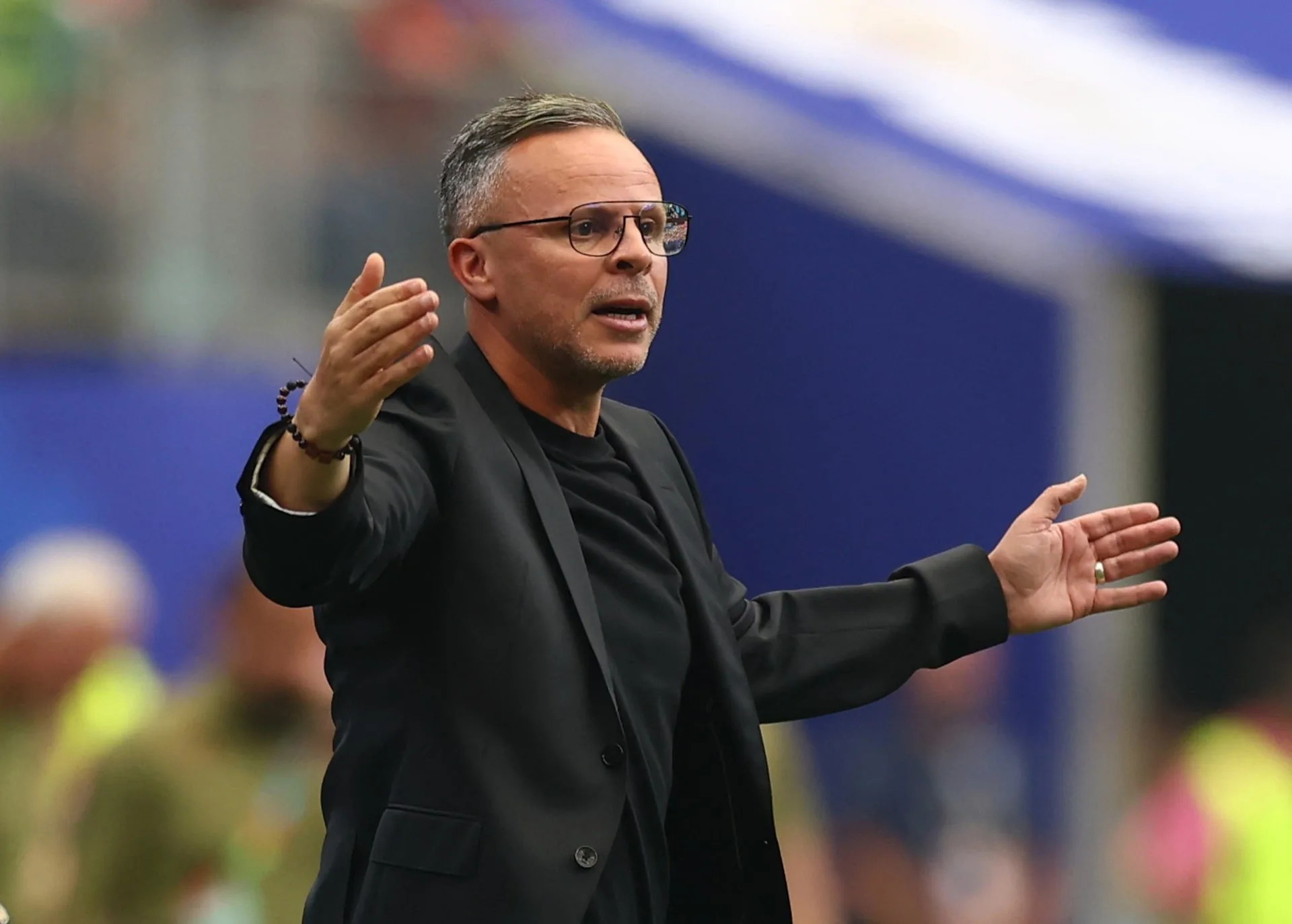
Ouahbi, who took charge of the national team in March after succeeding Walid Regragui, is expected to remain at the helm through to the 2030 World Cup. While the Federation did not officially disclose the duration of his contract, the 49-year-old had previously indicated that his deal runs until the global showpiece on home soil.
The endorsement comes amid growing expectations surrounding Moroccan football following a period of unprecedented success on the international stage. After becoming the first African nation to reach a FIFA World Cup semi-final in Qatar in 2022 under Regragui, Morocco followed that historic achievement by reaching the last eight in 2026, reinforcing their status as one of the continent's leading football powers.
The Executive Committee maintained that the latest campaign should be viewed as part of a broader long-term project rather than judged solely on the quarter-final defeat, adding that the next objective is to surpass previous World Cup achievements while preserving the stability that has driven the team's rise.
FRMF attributed Morocco's progress to a football development strategy launched in 2018, highlighting that the Atlas Lions have climbed from 84th to sixth in the FIFA World Rankings during that period.
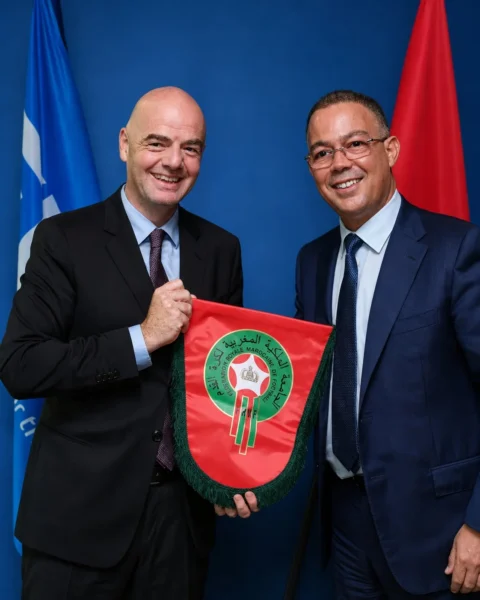 The Royal Moroccan Football Federation chairman, Fouzi Lekjaa, together with FIFA President Gianni Infantino. (Photo: FRMF/X)
Officials also pointed out that Morocco navigated one of the toughest paths at the tournament, facing several nations ranked among the world's top ten before eventually bowing out against France.
The meeting also addressed criticism that emerged following the World Cup exit, with the federation dismissing what it described as rumours and misinformation surrounding the national team. FRMF officials warned against attempts to destabilise the squad, stressing that maintaining unity would be crucial as preparations intensify for the 2030 World Cup.
Fouzi defended both the coaching staff and players, insisting the commitment shown throughout the tournament should not be questioned.
The FRMF president said Morocco's sustained success across multiple national teams demonstrates the effectiveness of the Kingdom's long-term investment in football development.
He pointed to achievements beyond the senior team, including the country's FIFA U-20 World Cup triumph, strong performances by the U-17 national side and the Olympic team's bronze medal at the Paris Olympic Games as evidence of a thriving football ecosystem.
Fouzi also revealed that the federation had provided comprehensive support to the senior national team throughout the World Cup, including arrangements for players' families, to ensure the squad remained psychologically prepared during the competition.
Beyond the senior team's future, the Executive Committee reviewed progress on preparations for the 2030 FIFA World Cup. Lekjaa called for closer collaboration between government agencies, football authorities and other stakeholders to ensure Morocco delivers a successful tournament under the newly established "Morocco 2030" Foundation in partnership with the FRMF.
For Morocco, retaining Ouahbi represents more than a vote of confidence in one coach. It signals the federation's commitment to continuity, stability, and a long-term vision as the Atlas Lions seek to build on successive deep World Cup runs and challenge for even greater success when they welcome the world to African soil in 2030.
















Comments
Sign in with Google to comment, reply, and like comments.
Continue with Google