Theological training institutions across Kenya could face closure if they fail to regularise their operations with the Ministry of Education within 90 days under new recommendations by Parliament aimed at addressing concerns over unregulated faith-based training.
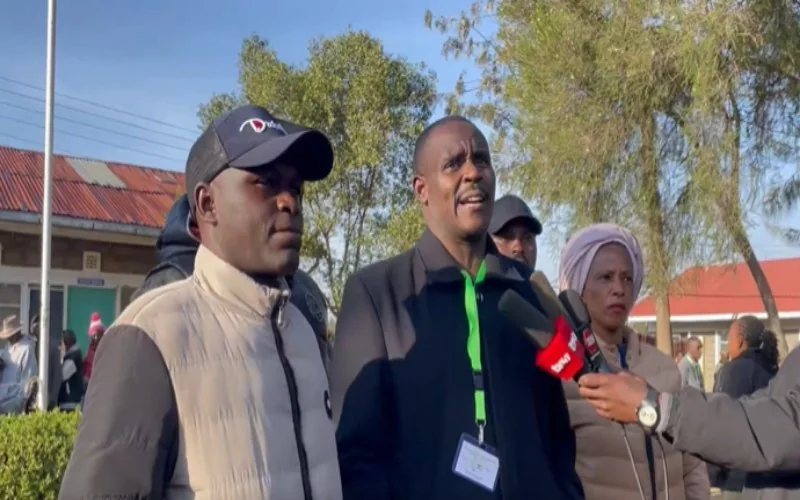
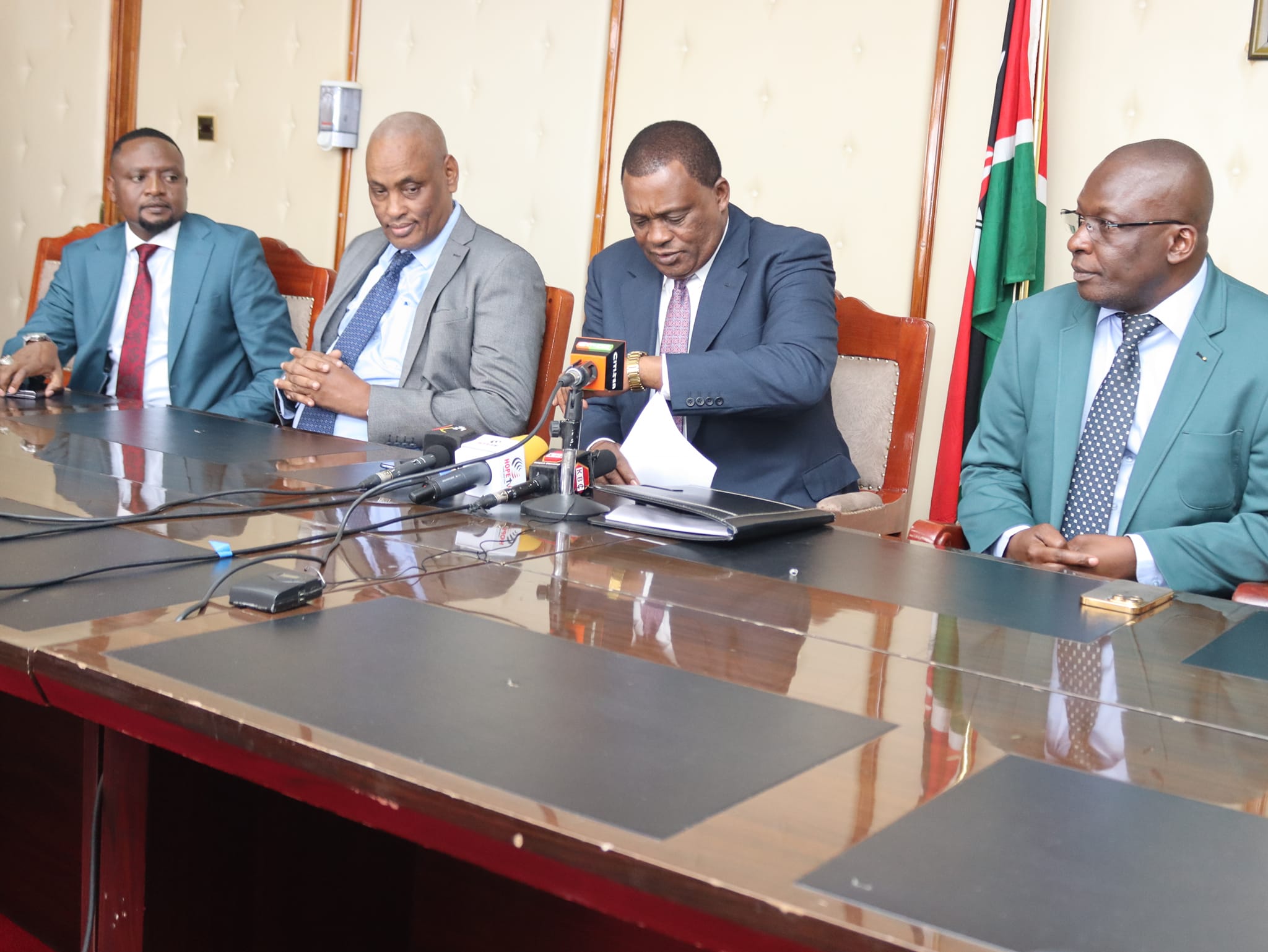
The directive follows a report by the National Assembly’s Committee on Public Petitions, prompted by a petition from Reverend Josiah Njiru, chairman of the Association of Pentecostal Vocational Training Institutions of Kenya, who raised concerns about gaps in the regulation of theological education.
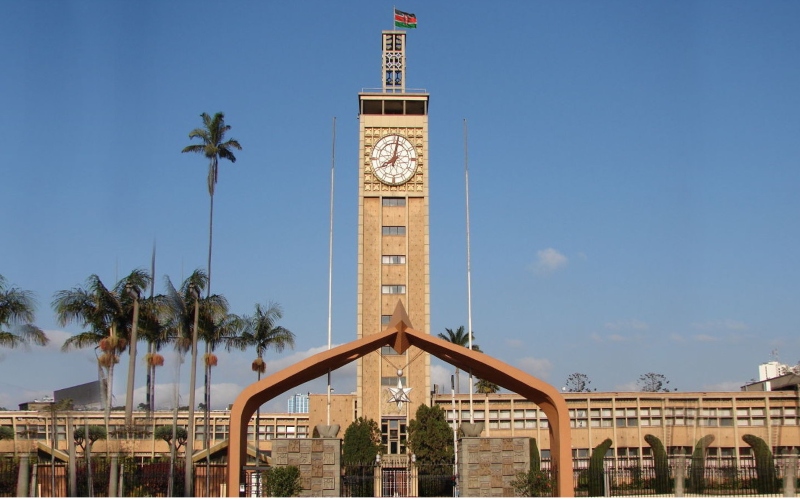
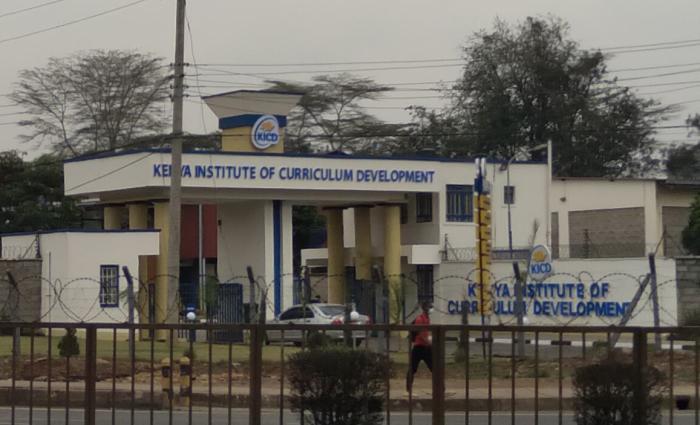
The Committee recommended that the Ministry of Education should, within 90 days of tabling the report, identify and map all theological training institutions across the country and enforce compliance with existing laws.
“The Committee recommends that within ninety (90) days upon tabling of this report, the Ministry of Education should establish/map out all theological training institutions countrywide and enforce compliance within the prevailing laws,” the report stated.
The Committee, chaired by Runyenjes MP Eric Muchangi, also called on the ministry to convene a multi-faith forum to address gaps in faith-based training and consider a draft bill presented by the petitioners for public participation.
The petitioners raised concerns over the rapid growth of theological colleges, Bible schools and online ministry training platforms, warning that some institutions have issued questionable degrees and qualifications due to the absence of a standard regulatory framework.
The Committee noted that there is currently no faith-led regulatory council mandated to assess ministerial competence, theological training, ethics and institutional standards within a faith-based context.
It observed that existing mechanisms, including Recognition of Prior Learning (RPL) under the national qualifications framework, are mainly designed for secular professions and may not adequately evaluate spiritual calling, pastoral experience and theological formation.
The proposed reforms seek to establish a framework for accrediting theological institutions and programmes, standardising curricula, recognising prior learning and promoting accountability in ministerial training.
The Committee said the move would help address challenges, including unverified qualifications, doctrinal confusion, and disparities in ministerial competence across different denominations.
The Ministry of Education is now expected to work with faith-based organisations and other stakeholders to strengthen oversight and ensure theological training institutions operate within recognised standards.







































Comments
Sign in with Google to comment, reply, and like comments.
Continue with Google