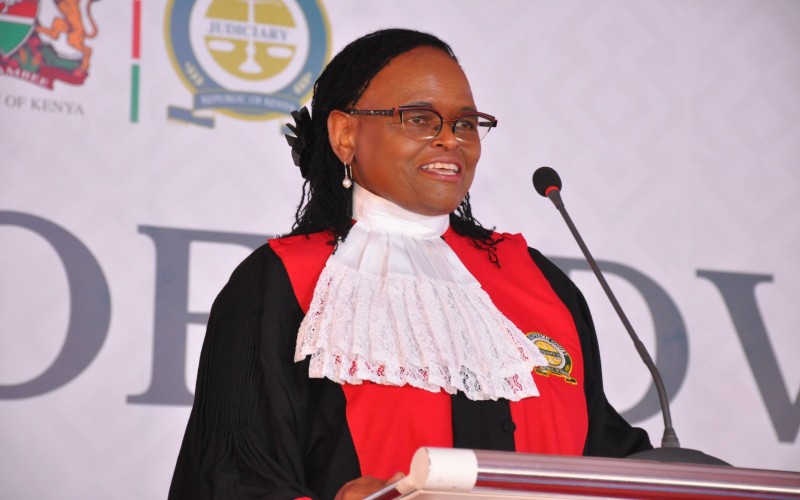
The Judiciary has dismissed the Law Society of Kenya's (LSK) call for a nationwide boycott of court proceedings on July 22, 2026, insisting that all courts across the country will remain open and continue hearing cases as scheduled.
In a statement issued on Monday, Judiciary Spokesperson Paul Ndemo said a boycott would unfairly punish litigants and other court users while undermining efforts to improve the administration of justice.
"The Judiciary assures the public that all courts throughout the Republic will remain open and will continue hearing and determining matters as scheduled on Wednesday, 22 July 2026," the statement reads.
The Judiciary acknowledged concerns raised by the LSK but maintained that withdrawing legal services was neither an appropriate nor proportionate response.
"The institution does not consider a boycott of court proceedings to be an appropriate or proportionate response to the concerns raised. Such action would primarily prejudice litigants and other court users whose matters are scheduled for hearing and determination," it said.
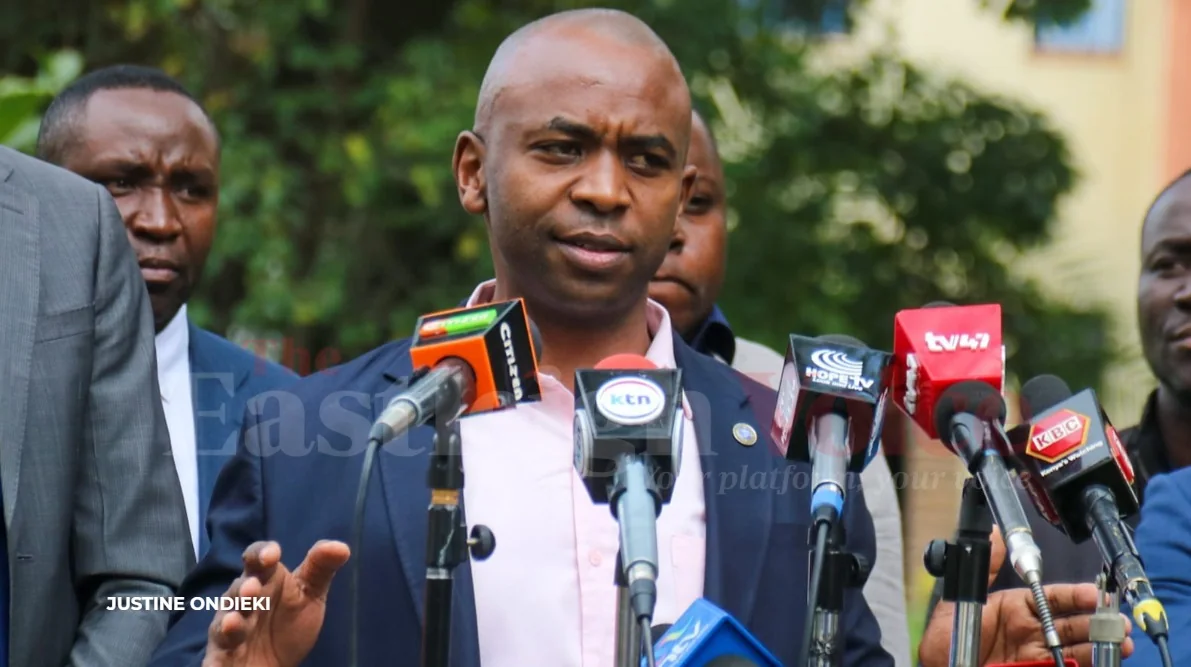
The statement comes days after the LSK announced plans to boycott proceedings before selected courts and judicial officers over concerns about accountability and the administration of justice.
The Judiciary instead called for continued engagement, revealing that it has held at least five consultative meetings with the LSK over the past two years to address issues affecting the justice sector.
"Dialogue grounded in evidence, mutual respect and a shared commitment to institutional improvement remains the most effective pathway towards addressing legitimate concerns and strengthening the administration of justice," the Judiciary said.
It disclosed that another consultative meeting involving the Judicial Service Commission, the LSK Council and representatives of the Senior Counsel Bar has already been scheduled for July 31.
The Judiciary also defended the constitutional independence of judges, warning that no person or authority can direct judicial officers on how to hear or determine cases.
"Judges and Judicial Officers are subject only to the Constitution and the law and shall not be subject to the control or direction of any person or authority," the statement says.
Addressing concerns over accountability, the Judiciary said complaints against judges and judicial officers are handled through the Judicial Service Commission and the Office of the Judiciary Ombudsman, stressing that disciplinary action is taken where misconduct is established after due process.
It cautioned that public accusations, however serious, cannot replace lawful investigations.
"Public accusations, however serious, cannot substitute for a fair investigation or displace the constitutional and statutory procedures established for addressing complaints," the Judiciary stated.
The institution also highlighted what it described as significant gains in court performance during the 2024/2025 financial year, saying the courts received 621,425 new cases and resolved 647,686 cases, achieving a 104 per cent Case Clearance Rate—the first time in several years that the Judiciary has resolved more cases than were filed.
According to the statement, pending cases declined by 3 per cent, while the overall case backlog fell by 30 per cent, despite a 20 per cent increase in new case filings.
On delays in court proceedings, the Judiciary argued that responsibility extends beyond the courts, noting that the leading causes of adjournments were witnesses failing to attend court (16.8 per cent), parties being absent (12.3 per cent), advocates failing to appear (11.5 per cent), and courts being engaged in other official duties (10.9 per cent).
"These figures demonstrate that reducing delays requires a shared response involving all justice-sector stakeholders," it said.
The Judiciary further acknowledged occasional disruptions to its e-filing platform but assured court users that contingency measures are in place to ensure services continue whenever system downtime occurs.
They urged advocates to reconsider the planned boycott and instead pursue their grievances through established constitutional and statutory mechanisms, reaffirming that courts nationwide will continue operating normally on July 22.












































Comments
Sign in with Google to comment, reply, and like comments.
Continue with Google