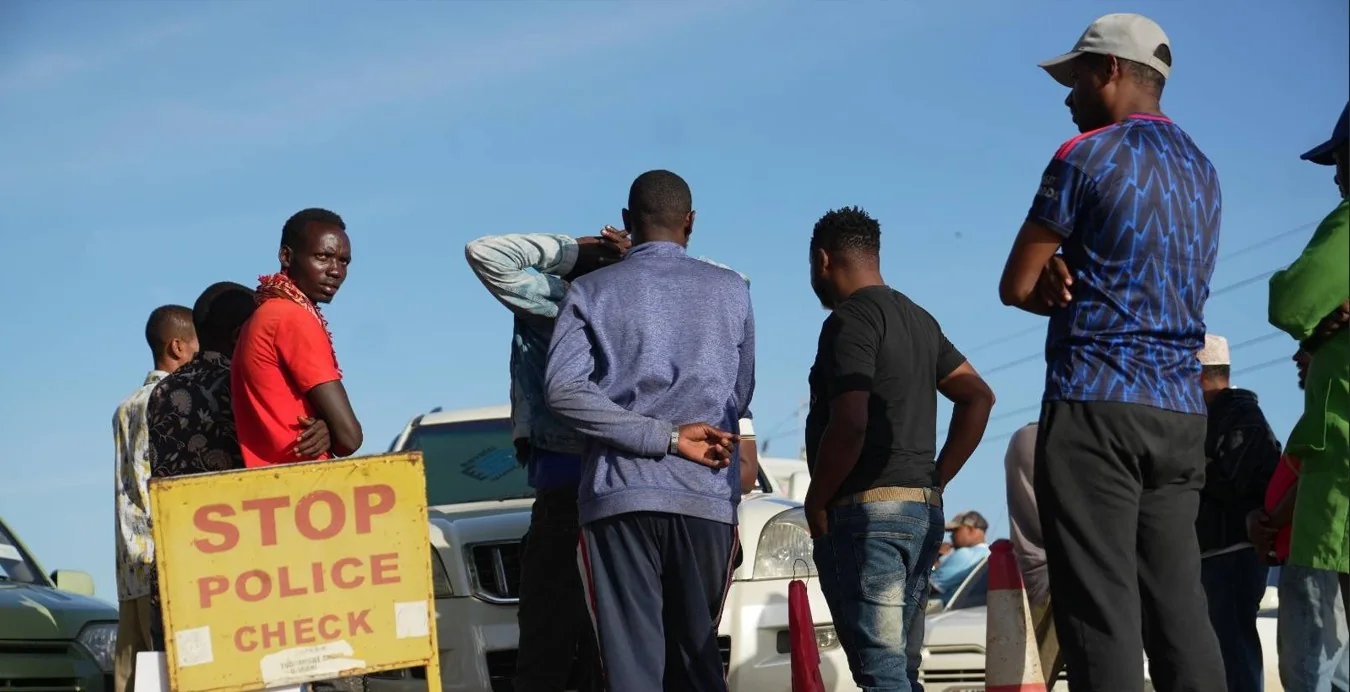
Communities living along the Kenya-Somalia border have called for the removal of barriers affecting trade and movement between Kiunga and Ras Kamboni, saying prolonged restrictions are disrupting businesses, healthcare access and long-standing social ties between residents on both sides of the frontier.
The concerns emerged during a cross-border "Kick for Peace Tournament" held in Ras Kamboni, Somalia, on Saturday that brought together leaders from Lamu County and Somalia’s Jubaland administration, where speakers warned that insecurity and limited economic opportunities were increasing hardship in the remote coastal region.
The event was organised by Shee Kupi Shee in collaboration with the Government of Jubaland State of Somalia and with coordination support from Kenyan authorities and stakeholders. The initiative brought together border communities under the theme Kick for Peace – One Border, One Ball, One Peace
Bajuni community leader Sultan Badi Jelani said families and traders in the area have historically depended on one another and should not be separated by policies that limit interaction and commerce.
“We are one community with shared traditions and relationships. During times of crisis, people support each other across the border, and this cooperation should be protected,” he said.
Jubaland Minister for Blue Economy Ahmed Hassan Omar criticised what he described as unequal trading conditions between the two neighbouring countries, arguing that Somali traders continue to face obstacles entering the Kenyan market while Kenyan goods move freely into Somalia.
He said fair access to markets would improve livelihoods and strengthen relations between the neighbouring communities.
Religious and local leaders also appealed for peaceful coexistence in an area that has previously faced security threats linked to extremist activities.
Lamu Interfaith chairman Sheikh Abdikadir Mohamed urged residents to reject division and preserve harmony between communities living along the Indian Ocean border.
Retired chief Atik Mohamed Atik said residents of Kiunga and Ras Kamboni had coexisted peacefully for generations through intermarriage, fishing and trade.
Security officials said collaboration with residents remained key in addressing threats along the border.
Major Lucas Gitari, who heads the Kenya Defence Forces base in Ras Kamboni, said security agencies were working closely with local communities to prevent infiltration by criminal networks and militant groups.
He said the cooperation initiative had been named Kiumboni, combining the names Kiunga and Ras Kamboni to symbolise unity between the neighbouring settlements.
At the same meeting, Lamu Deputy Governor Dr Mbarak Bahjaj announced the rehabilitation of Ishakani dispensary, which has remained closed for more than a decade and is expected to resume operations in July.
He also said a new theatre was under construction at Kiunga Hospital to reduce the need for patients to travel to Lamu for surgery.
According to county officials, medical specialists from Turkey are expected in the area in July to conduct free eye and abdominal operations, while health workers have intensified tuberculosis screening following concerns over rising TB infections in border communities.
Lamu County Chief Officer for Public Service Khadija Fumo said the county government would continue investing in programmes aimed at improving the livelihoods of communities living along the Kenya-Somalia border.
Lamu Peace Director Shee Kupi said sports and community engagement initiatives were crucial in keeping young people away from radicalisation, drug abuse and criminal activities.
The leaders also said stronger cooperation between the Port of Lamu and the Port of Kismayo could increase trade, attract investment and deepen economic links between Kenya and Somalia.
Youth leaders at the meeting called for investment in sports and mentorship programmes to steer young people away from drug abuse, crime and radicalisation.
The event ended with a football match between teams from Kiunga and Ras Kamboni, seen by organisers as a symbol of improving relations between the two border communities. The Jubaland government awarded the winning team Sh150,000.


























Comments
Sign in with Google to comment, reply, and like comments.
Continue with Google