Somalia security mission faces funding shortfall as partners urge urgent contributions
Experts warn that this level of financial pressure risks pushing TCCs to the breaking point and could ultimately threaten the mission's viability.
Somalia's international partners' urgent appeal for contributions to sustain Somali security forces under the Security Forces Trust Fund has drawn queries over the future of the current mission, whose first year is drawing to a close.
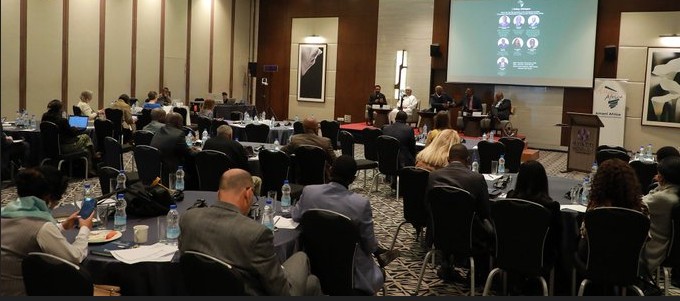
On Monday, the partners, which include Kenya, the United Kingdom, United States, Sweden, Djibouti, Ethiopia, the EU Delegation, Italy, Qatar, Türkiye, Uganda, Ireland, Switzerland, Canada, France, Russia, Denmark and Japan alongside representatives from the Federal Government of Somalia, AUSSOM and the United Nations Support Office in Somalia (UNSOS) warned that a shortfall in international funding could jeopardize the forces' operations.
The SSF Trust Fund is a vital mechanism for delivering essential life support to Somali forces in line with national priorities. Through it, UNSOS provides support to Somali Security Forces in joint or coordinated operations with AUSSOM.
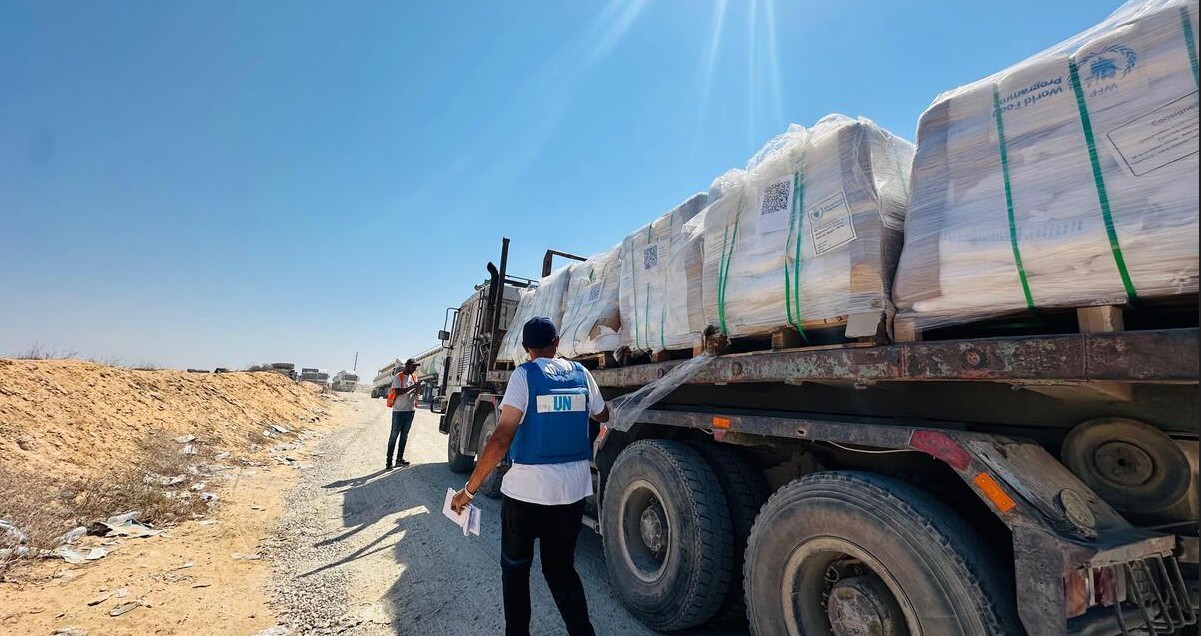
With the limited financial support to the mission, UNSOS has helped maintain the minimum life-support required through a monthly package of 540 tonnes of rations, 180,000 litres of fuel, and 24/7 air medical evacuation, all of which require approximately $1.2 million per month, while full mandated support amounts to $2.3 million per month
"The mandated support covers rations, fuel, medical evacuations, transport, communications, defence stores, and tentage for Forward Operating Bases (FOBs) which are increasingly procured from Somali suppliers, to promote local economy, and national ownership," they said in a joint statement.
The warning came ahead of the UN Security renewal of the mission's mandate later this month.
According to the Mission's Concept of Operations (CONOPs), the realignment of AU troops from ATMIS to AUSSOM was initially scheduled for completion by the end of June 2025.
However, this timeline was suspended by the AU PSC in July, and the realignment phase was extended by an additional six months.
During a recent interview with Amani Africa, Think Tank, the AU Special Representative, El Hadji Ibrahima Diene, confirmed that the Mission is undergoing an adjustment and that its exit strategy is being updated in consultation with the UN and the FGS.
Without predictable funding, however, the AU may be compelled to reconsider its original exit timeline, currently envisaged for the end of 2029, as AUSSOM's sustainability depends on closing the current financing gap, which remains substantial and contributes to a dire strain on the mission, including troops having not received their allowances for a year and a half.
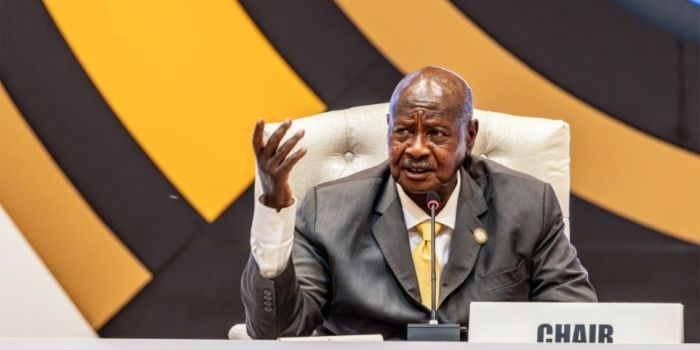
Speaking during the High-level Meeting on Financing for the African Union Stabilisation Mission in Somalia in September, UN Secretary-General Antonio Guterres said the situation is untenable.
"Financing for the Mission is not an abstract budget line. It means confronting the terror threat posed by al-Shabaab, protecting civilians, ensuring the delivery of humanitarian aid, supporting Somali security forces through a critical transition, and providing security for upcoming elections. It means paying troops and police on time. Above all, it means having the resources to carry out the mandates of the UN Security Council and the African Union Peace and Security Council," he said.
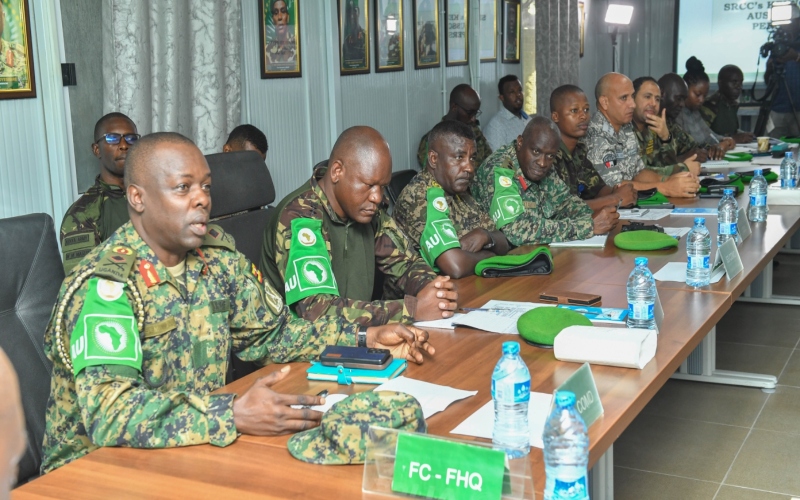
Experts warn that this level of financial pressure risks pushing TCCs to the breaking point and could ultimately threaten the mission's viability.
As the AU Peace and Security Council deliberates over this matter this week, experts said the PSC may further appeal to both traditional and non-traditional partners to increase financial support to close the significant 2025 budget gap, and to commit to predictable and adequate multiyear financing to enable the Mission to effectively discharge its mandate.
Earlier efforts, including a July 3 meeting by the AUPSC, instructed the AU Commission to engage the UN, as well as bilateral and multilateral partners, to convene a resource mobilisation conference.
Consequently, a high-level meeting on AUSSOM financing was held in New York on September 25 on the sidelines of the 80th session of the UN General Assembly.
However, the total amount pledged remains significantly below the USD196 million required to cover troop allowances.
More remains to be done to combat the active threat of terrorism in Somalia.
According to a recent UN brief, the FGS has succeeded in targeting senior leaders of the group in a series of recent operations, but local political tensions in the country have contributed to deterioration in security, with Al-Shabaab significantly expanding its control of territory in Central Somalia.
Meanwhile, the EU is expected to announce its perceived resumption of contribution to the mission following its two year halt that sought to allow fair burden sharing among international partners.
Top Stories Today