The Intergovernmental Authority on Development (IGAD) has called for a more coordinated regional and international effort to end Sudan’s civil war, warning that uncoordinated mediation initiatives risk undermining efforts to find a political solution to the conflict.
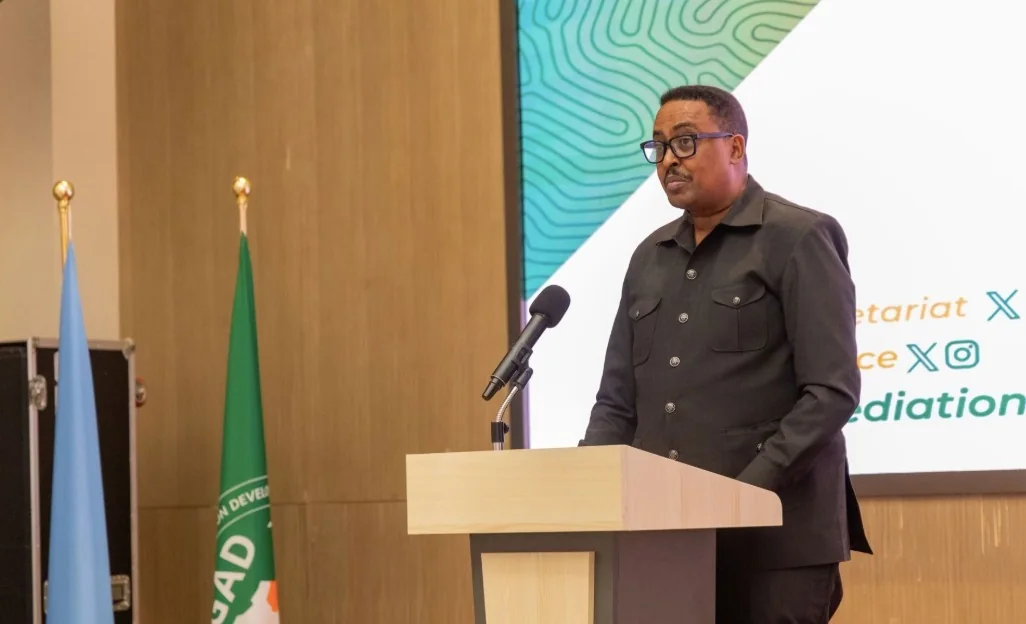
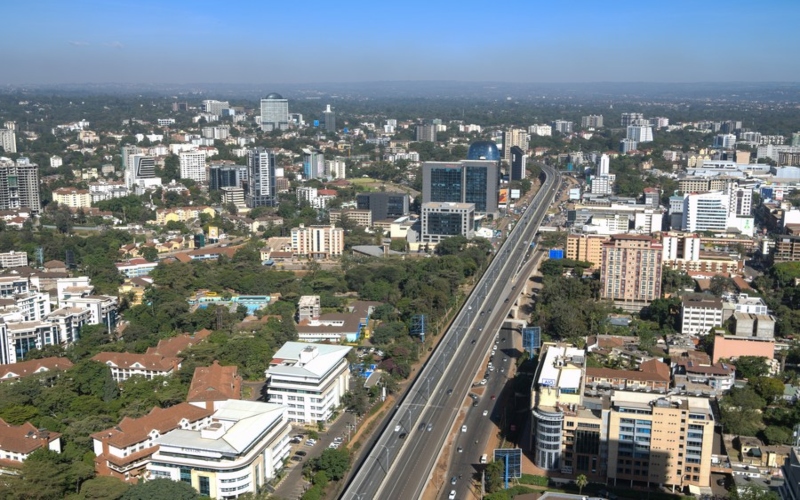
Speaking in Nairobi on Tuesday during the Third Special Envoys and Representatives Forum on Sudan, IGAD Executive Secretary Workneh Gebeyehu said the conflict had reached a critical stage, but sustained engagement with civilian stakeholders was beginning to create a possible pathway towards a political settlement.
According to Dr Workneh, Sudan’s civilian stakeholders are showing growing consensus on key issues, including preserving the country’s unity, rejecting military victory as a solution and restoring civilian leadership.
“It is not yet a political settlement, but it represents the most important political opportunity presently available,” Dr Workneh said, adding that the current opening for political dialogue must be protected as efforts continue to address the conflict.
Sudan’s crisis, Dr Workneh added, had become too complex for any single country or organisation to resolve. He pointed to the scale of the fighting, the humanitarian crisis, weakened state institutions and growing external involvement.
“Sudan does not lack attention. It requires strategic coherence. It does not lack initiatives. It requires disciplined complementarity,” he said.
He called for closer coordination among IGAD, the African Union (AU), the United Nations (UN), the European Union (EU), the League of Arab States and other actors involved in Sudan diplomacy, stressing that their mediation efforts should reinforce rather than duplicate one another.
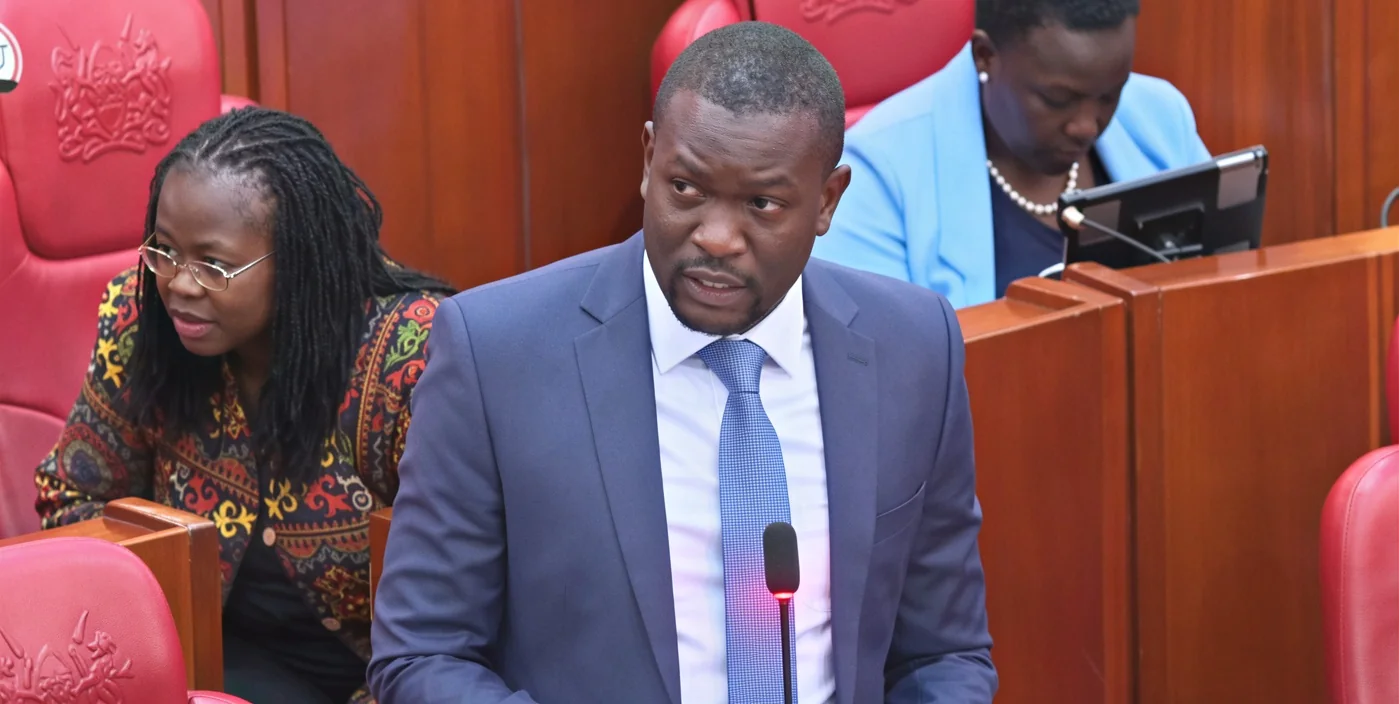
Prime Cabinet Secretary and Foreign Affairs CS Musalia Mudavadi, meanwhile, warned that the continued fighting was pushing Sudan towards deeper fragmentation, as positions among the warring parties hardened, humanitarian needs expanded and the risks of state failure grew.
According to Mudavadi, the international community must act urgently to prevent the war from deepening divisions in Sudan, entrenching rival centres of power and diminishing the prospects of a negotiated settlement.
“Time is of the essence. Every day the conflict continues, positions harden, parallel centres of authority become further entrenched, humanitarian needs multiply, and prospects for national reconciliation diminish,” said the Prime CS.
Sudan has been engulfed in conflict since April 2023, when fighting erupted between the Sudanese Armed Forces (SAF) and the Rapid Support Forces (RSF), triggering one of the world's largest humanitarian crises.
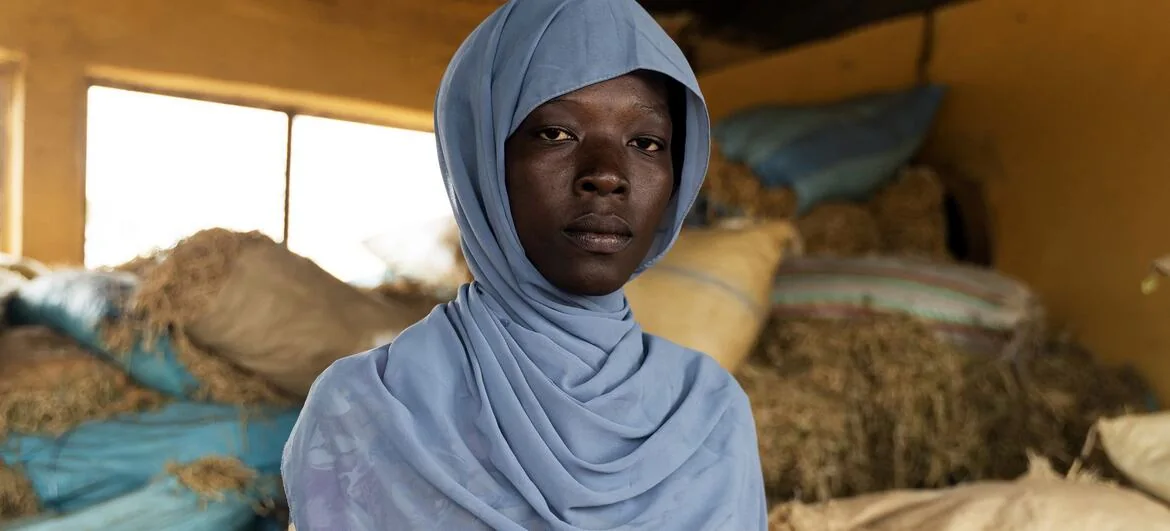
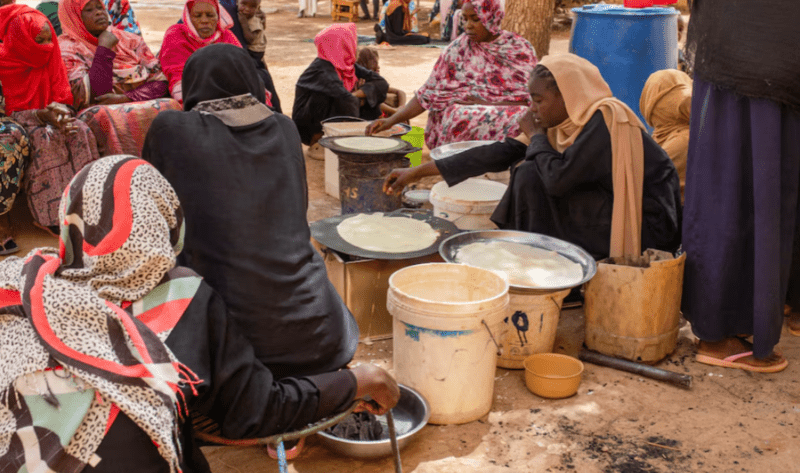
The conflict is estimated to have killed at least 59,000 people and displaced more than 14 million others. It has also left 33.7 million people in need of humanitarian assistance, while severe restrictions on aid access have further deepened the suffering.





















Comments
Sign in with Google to comment, reply, and like comments.
Continue with Google