Residents of Mwamdudu in Kwale County have called on the government and private investors to support ecotourism ventures around restored mangrove forests, saying conservation efforts should deliver lasting economic benefits alongside environmental protection.
Community members said years of restoring degraded mangrove areas had transformed the ecosystem and created an opportunity to develop nature-based tourism. However, they warned that without investment, the gains made through conservation may not translate into meaningful improvements in local livelihoods.
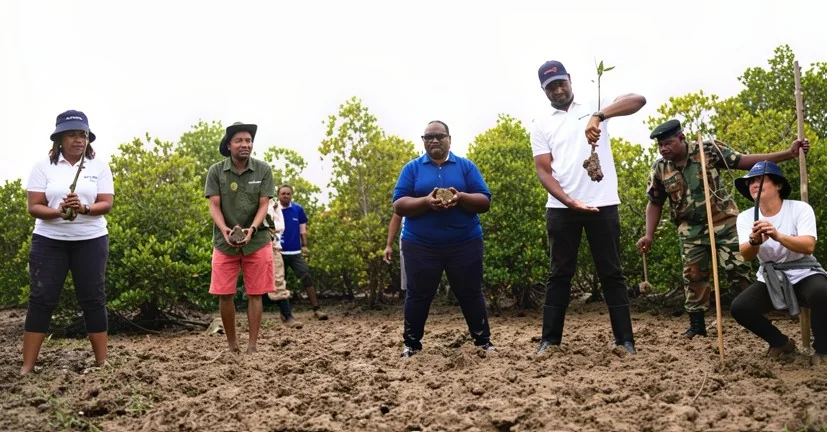
The appeal was made during a mangrove planting exercise at the Tsunza Peninsula, where members of the Mwatsumbo Community Forest Association said they wanted to establish community-led tourism activities such as guided nature walks, homestays and other environmentally friendly businesses that could generate income while encouraging the protection of the forests.
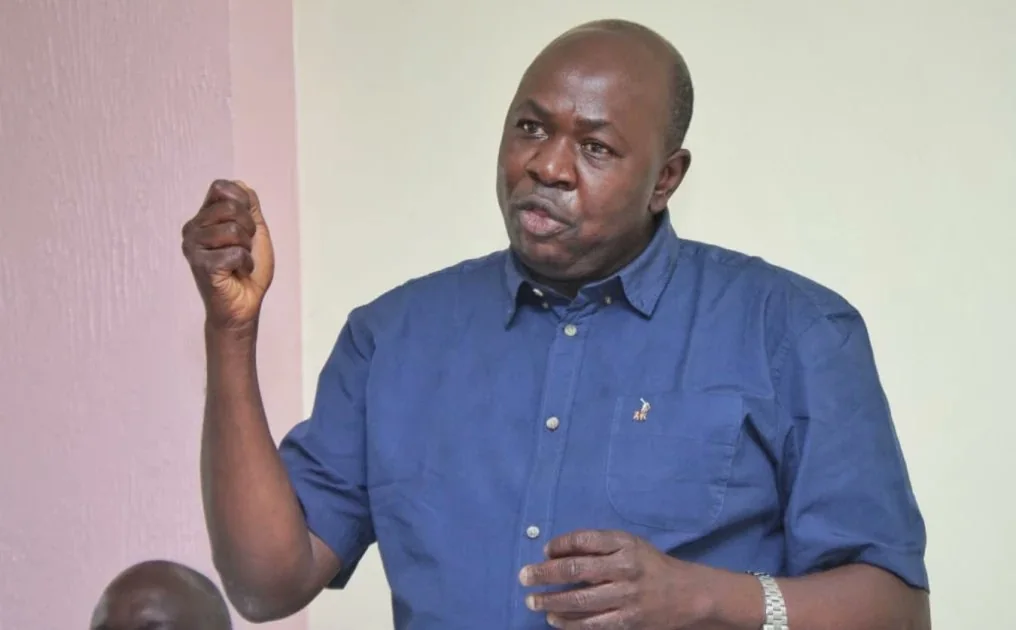
Association chairman Juma Mashanga said the community had invested significant effort in rehabilitating the mangrove ecosystem and that the time had come for the work to create sustainable sources of income.
"We have successfully restored the mangrove forest, but we now need investments that will allow the people who have safeguarded it to earn a living from conservation," he said.
Mashanga said the Tsunza Peninsula had the potential to attract visitors because of its proximity to major infrastructure projects, including the Port of Mombasa, the Standard Gauge Railway and the Dongo Kundu Special Economic Zone.
Despite these advantages, he said the area had yet to realise its tourism potential.
He added that ecotourism would provide residents with alternative sources of income, reduce dependence on forest resources and encourage communities to continue protecting the fragile coastal ecosystem.
The residents' appeal came as 20,000 mangrove seedlings were planted through a partnership involving the I&M Foundation, Furaha and Baraka Farms, the Kenya Forest Service (KFS) and local conservation groups.
I&M Bank Group East Africa Regional Chief Executive Officer Kihara Maina said environmental conservation remained one of the foundation's main areas of investment. He said the organisation had already met its annual target of planting one million trees as part of Kenya's wider ambition to grow 15 billion trees by 2032.
Maina said restoration projects not only improve the environment but also create employment through activities such as raising seedlings, operating tree nurseries and supporting emerging ecotourism opportunities.
He added that nearly a third of the foundation's community investment budget was allocated to environmental programmes.
Furaha and Baraka Farms Chief Executive Officer Daniel Mwero said the restoration initiative enabled communities across the Tsunza Peninsula to plant about 250,000 trees each month.
He said the programme had also created jobs through seedling production and ecosystem rehabilitation while contributing to biodiversity conservation, climate resilience and improved livelihoods.
Kwale County Conservator Elvis Fondo said cooperation between local communities, government institutions and private organisations was essential to protecting Kenya's mangrove forests.
He said Kwale had around 8,500 hectares of mangrove forest, with more than 2,000 hectares found within the Tsunza Peninsula, making it one of the country's most significant coastal conservation areas.
Mashanga said restoring the forests had required considerable effort, with volunteers often transporting seedlings across muddy and difficult terrain to reach degraded sections of the coastline.
Under a Forest Management Agreement signed with the Kenya Forest Service, the Mwatsumbo Community Forest Association committed to restoring 300 hectares of degraded mangrove forest between 2023 and 2028.
Mashanga said the association had already rehabilitated 288 hectares and expected to meet its target ahead of schedule.
Residents said the focus should now shift towards ensuring restored mangrove forests create employment and business opportunities that improve household incomes while preserving the gains made through conservation.
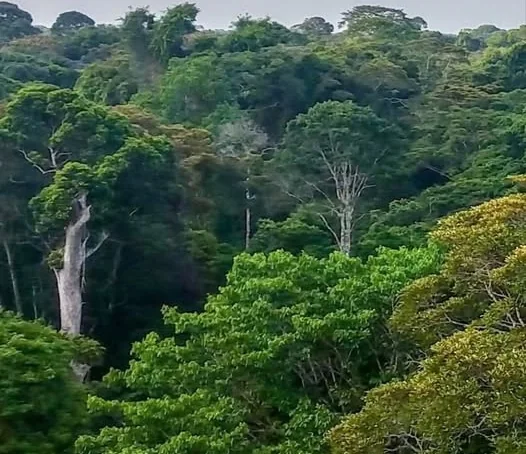
Mangrove forests are vital to Kenya's coastline because they protect shores from erosion, provide breeding habitats for fish and other marine life, store significant amounts of carbon and contribute to the country's Blue Economy.
Large mangrove forests are found along the coast in Lamu, Kilifi, Mombasa and Kwale counties, where restoration efforts have expanded in recent years to reverse damage caused by overexploitation, pollution and climate change.







































Comments
Sign in with Google to comment, reply, and like comments.
Continue with Google