Brent Crude nears Sh11,637 per barrel as US-Iran tensions escalate amid 10-day ceasefire efforts
Brent Crude nears Sh11,637 per barrel as US-Iran tensions escalate amid 10-day ceasefire efforts

Listen to article

3 min listen
Audio reading is not supported on this browser.
Ready

Thanks for listening. Continue with a related story, or tap the speaker icon on the next page to listen.

Related story

Two American service members killed in Jordan amid renewed US-Iran hostilities

Bashir Mbuthia  ·  2 days ago
Read next Opens a fresh page.

The latest diplomatic push involves regional mediators, including Egypt, Pakistan and Qatar, who have reportedly presented Washington and Tehran with a proposal for a 10-day ceasefire.

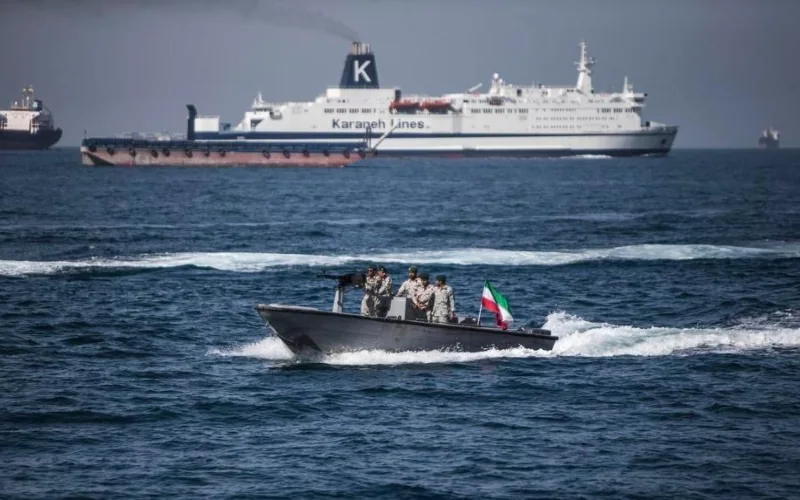
Brent crude oil prices rose towards $90 (Sh11,637) per barrel on Tuesday as markets weighed continued military escalation between the United States and Iran against renewed diplomatic efforts to broker a ceasefire.
The benchmark had earlier retreated on growing hopes that mediation efforts could lead to a temporary halt in fighting. Still, prices recovered as traders remained wary of the conflict's potential to disrupt energy supplies and key shipping routes in the Middle East.
The latest diplomatic push involves regional mediators, including Egypt, Pakistan and Qatar, who have reportedly presented Washington and Tehran with a proposal for a 10-day ceasefire.
A senior Iranian official told Reuters that the proposal seeks to create room for negotiations to revive an interim agreement reached last month and de-escalate the conflict.
“We told the US and Iran that we propose a cooling-off period,” one of the regional sources said.
The reported proposal comes after 10 consecutive nights of US strikes on Iran and retaliatory missile and drone attacks by Tehran on American bases across allied countries.
While the Trump administration is reportedly considering the ceasefire proposal, Washington is also preparing for a possible major escalation should diplomatic efforts fail.
The US has deployed additional fighter jets and aerial refuelling aircraft to the region, boosting its capacity for a larger military operation.
US officials have also reportedly urged Israel to avoid actions that could close the narrow diplomatic window.
Iranian President Masoud Pezeshkian, however, described the conflict as a “full-scale war” and said Tehran should accept the consequences of its resistance.
Supply concerns have also intensified after Yemen's Houthi movement threatened to block Saudi maritime traffic in the Red Sea, a vital export route that enables Saudi Arabia to bypass the Strait of Hormuz.
Saudi Arabia said it would take all necessary measures to protect its shipping in accordance with international law.
The conflicting signals have kept oil markets highly volatile, with prices responding sharply to changing expectations of either further military escalation or a return to negotiations.

Comments

0
Loading comments...

Trending

Popular Stories This Week