Oil prices jump 4 per cent to Sh10,203 per barrel amid US-Iran tensions over Strait of Hormuz

Oil prices jump 4 per cent to Sh10,203 per barrel amid US-Iran tensions over Strait of Hormuz

Listen to article
3 min listen
Audio reading is not supported on this browser.
Ready

Thanks for listening. Continue with a related story, or tap the speaker icon on the next page to listen.

Related story

UK Maritime Trade Operations upgrades Strait of Hormuz threat to severe despite open shipping route

Mary Wambui  ·  19 hours ago
Read next Opens a fresh page.

The rebound came as renewed military exchanges between the US and Iran over the weekend heightened fears over disruptions to global energy supplies through the Strait of Hormuz.

Benchmark oil prices surged about four per cent to around $79 (Sh10,206) per barrel on Monday, snapping a two-day losing streak.
The rebound came as renewed military exchanges between the US and Iran over the weekend heightened fears over disruptions to global energy supplies through the Strait of Hormuz.
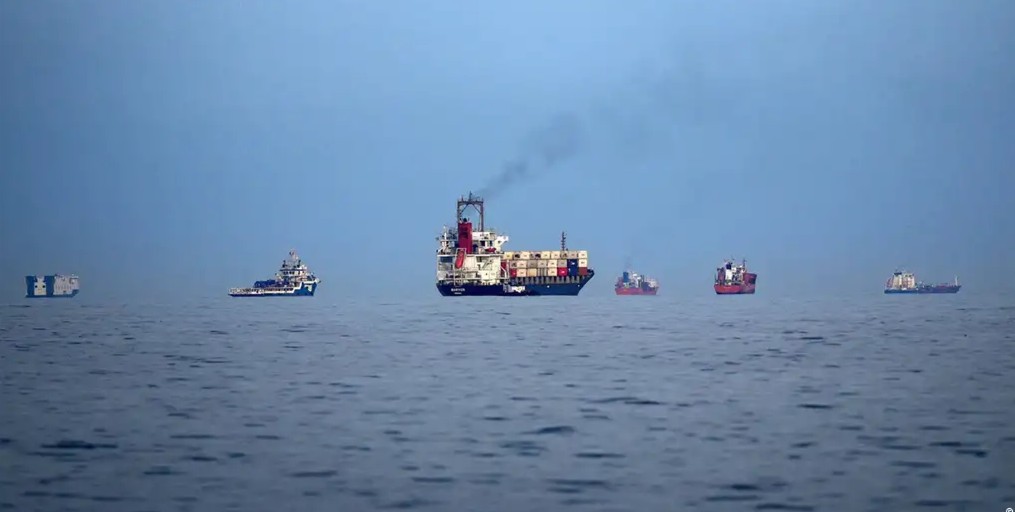
The escalation followed a US strike against Iran on Sunday, its fourth in a week, after Tehran attacked a Cyprus-flagged container ship.
Iran subsequently declared that the Strait of Hormuz would remain closed “until further notice”, although the claim was rejected by the US Central Command.
Oil prices had previously eased after an interim US-Iran peace agreement raised expectations that restrictions on Iranian oil exports would be relaxed and more supplies would return to the market.
The International Energy Agency (IEA) had projected that improved flows through the Strait of Hormuz would help push the global oil market into surplus next year.
The agency noted that North Sea Dated crude prices had fallen by $31 (Sh4,004) per barrel in June to $68 (Sh8,685) by early July before rising again following renewed hostilities.
“An escalation in hostilities on July, however, clouds the outlook and could upend the forecast that sees the market flipping to a surplus next year,” the IEA said in its July oil market report.
The IEA said oil exports through the Gulf had recovered in June after a temporary easing of tensions, with total Gulf oil exports rising by 6.5 million barrels per day to 16.1 million barrels per day, although still below the pre-war average of 24 million barrels per day.
However, the agency warned that the outlook remains dependent on the restoration of stable tanker movements through the Strait of Hormuz, allowing producers to restart operations and refiners to resume shipments.
The renewed tensions have also weakened expectations of a quick diplomatic resolution, with Tehran maintaining that Washington must first honour previous commitments on transit through Hormuz and the normalisation of Iranian oil exports before talks can resume.
For oil-importing economies such as Kenya, higher global crude prices could increase import costs and place renewed pressure on domestic fuel prices if the escalation persists.

Comments

0
Loading comments...

Trending

Popular Stories This Week