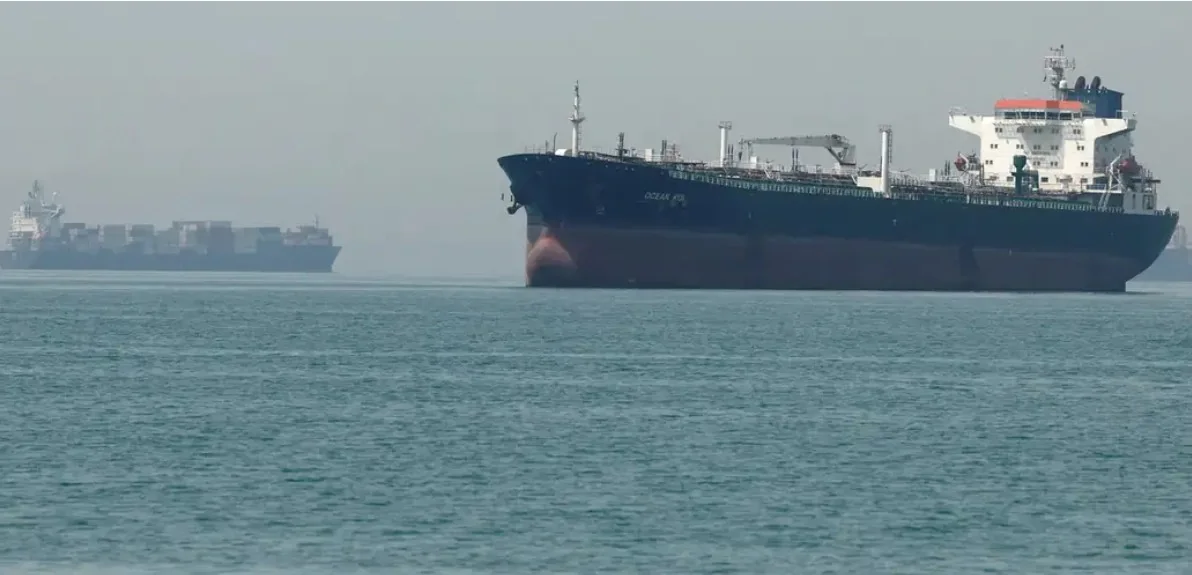
Iran has declared the Strait of Hormuz closed until further notice.
Announced early Sunday, the move reignites fears of a fresh global oil price shock, threatening to reverse the recent easing in crude prices, and raises concerns over higher fuel costs, inflation and transport expenses worldwide.
The latest disruption revives memories of the first closure of the strategic waterway earlier this year, when Brent crude climbed to about $120.36 (Sh15,548) a barrel before easing as diplomatic efforts between Tehran and Washington gained momentum.
Brent had settled at nearly $76 (Sh9,818) per barrel on Friday. However, it still recorded a weekly gain of about five per cent as investors remained concerned about the security of global energy supplies.
The renewed escalation followed fresh US air strikes against Iranian military positions after Iranian forces attacked a commercial vessel transiting the Strait of Hormuz, one of the world's most important shipping lanes.
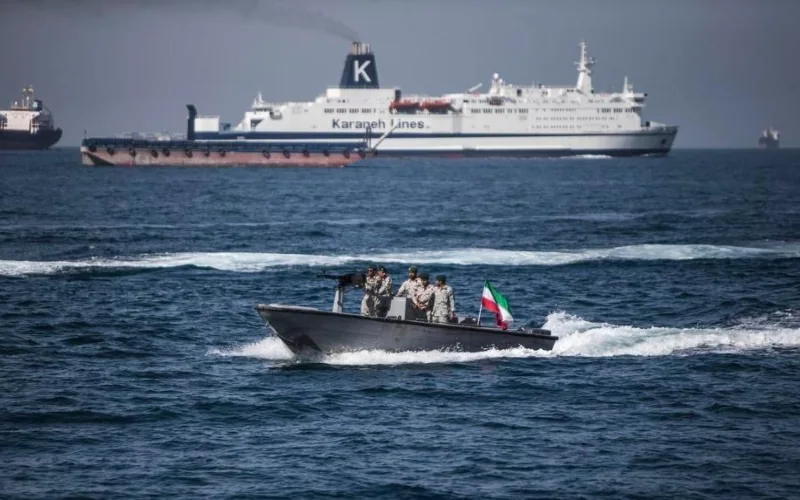
In response, Iran's Islamic Revolutionary Guard Corps (IRGC) declared the Strait closed until further notice and launched missile and drone attacks against US military installations and allies across the region.
The IRGC said it had struck a US base in Jordan, while the United Arab Emirates, Qatar, Kuwait and Bahrain all reported coming under Iranian missile and drone attacks.
The latest exchange came after three commercial tankers were attacked earlier in the week, prompting a series of retaliatory strikes that have intensified concerns over the safety of vessels using the waterway.
Iranian state media reported that the Strait was closed after Iranian forces fired a naval cruise missile at a vessel they claimed was travelling along an unauthorised route.
The Guards said the ship had ignored repeated instructions before being stopped by warning shots.
Iran's parliamentary speaker, Mohammad Bagher Ghalibaf, wrote on X that the "era of one-sided deals is OVER," adding that previous warnings to Washington had gone unheeded.
Launching what it described as a third round of strikes this week, the US Central Command said Iranian forces had attacked the Cyprus-flagged MV GFS Galaxy, leaving the vessel with significant engine room damage and unable to continue its voyage.
Britain's Maritime Trade Operations said the crew abandoned the ship and escaped in a lifeboat.
The US military said its retaliatory operation struck 140 Iranian military targets, including missile and drone facilities, communications networks and coastal surveillance sites.
The Strait of Hormuz carries about 20 per cent of global oil and gas trade.
Reduced tanker movements and the risk of supply disruptions are expected to keep a geopolitical risk premium in crude markets.
The International Energy Agency (IEA) has also warned that prolonged tensions could delay the rebuilding of global oil inventories and disrupt the expected balance in energy markets, increasing the likelihood of sustained pressure on fuel prices worldwide.










































Comments
Sign in with Google to comment, reply, and like comments.
Continue with Google