Land rates, hospital revenue, business permits, parking fees and building approvals have pushed Nairobi City County’s own-source revenue collection to a record Sh15.4 billion in the 2025/26 financial year, marking the highest annual collection since the introduction of devolution in 2013.
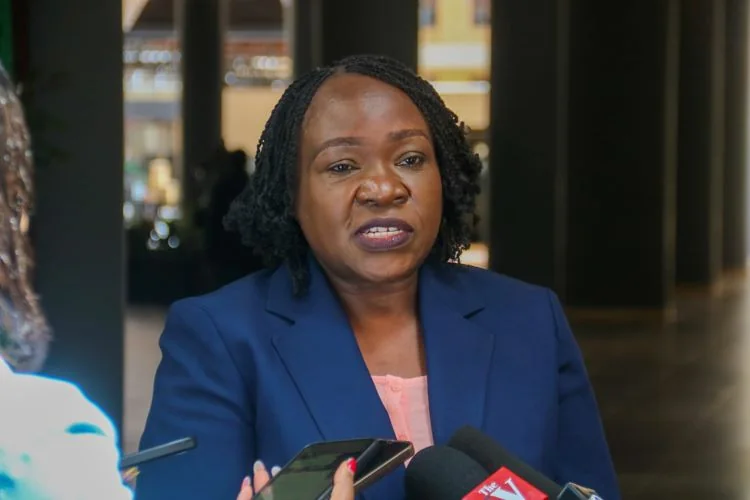
Data released by County Chief Officer for Revenue Administration Tiras Njoroge shows the amount is the highest own-source revenue collected by the county in a single financial year since county governments were established.
The latest collection represents an increase of Sh1.6 billion from the Sh13.8 billion raised in the 2024/25 financial year.
When Governor Johnson Sakaja took office in 2022, Nairobi County was collecting about Sh8 billion annually in own-source revenue. Although the county has recorded steady growth in collections over the past four years, it has continued to fall short of its set revenue targets.
Land rates emerged as the largest contributor to the county’s revenue, generating Sh3.31 billion. Hospital revenue followed with Sh2.73 billion, while Unified Business Permits brought in Sh2.68 billion.
Parking fees contributed Sh1.78 billion, while building plan approvals and inspections generated Sh1.56 billion during the financial year.
Other significant contributors included billboards and advertisements, house and stall rent, liquor licensing, markets, and food handlers' certificates.
A key driver of the improved performance has been the rollout of Nairobi Pay, the county's fully digital revenue collection platform, through which residents can make payments online or by dialling *667#.
The platform has significantly reduced cash handling, enhanced accountability and curtailed revenue leakages by ensuring all county payments are processed through a centralised digital system.
Njoroge attributed the increase in revenue collection to reforms that introduced digital systems, reduced revenue losses and made payment processes easier for residents and businesses.
He said the county had widened its revenue base and improved compliance without introducing new taxes.
Governor Sakaja linked the improved collections to the Nairobi Pay platform, which he said had removed cash transactions, improved transparency and made it easier for residents and businesses to pay for county services.
"Nairobi Pay has brought transparency, convenience and accountability to revenue collection. By eliminating cash transactions and digitising payments, we have sealed loopholes, improved efficiency and made it easier for residents and businesses to pay for county services. This is proof that technology can increase revenue without increasing taxes," Sakaja said.
He also pointed to changes made in the health sector, including the placement of Level 4 and Level 5 hospitals under professionally recruited chief executive officers supported by hospital boards.
According to the governor, the reforms have strengthened accountability, improved financial management and increased revenue collection while also improving service delivery.
The county has also moved liquor licensing services online through the Liquor Pay system, allowing traders to apply for and pay for licences digitally.
The system has reduced reliance on brokers while improving efficiency, transparency and compliance in the licensing process.


































Comments
Sign in with Google to comment, reply, and like comments.
Continue with Google