Burundian refugees in Tanzania are reportedly subject to increased movement restrictions, arrests and intimidation inside camps, the Global Detention Project has reported, noting that the measures appear linked to a broader push to close refugee facilities and accelerate returns to Burundi.
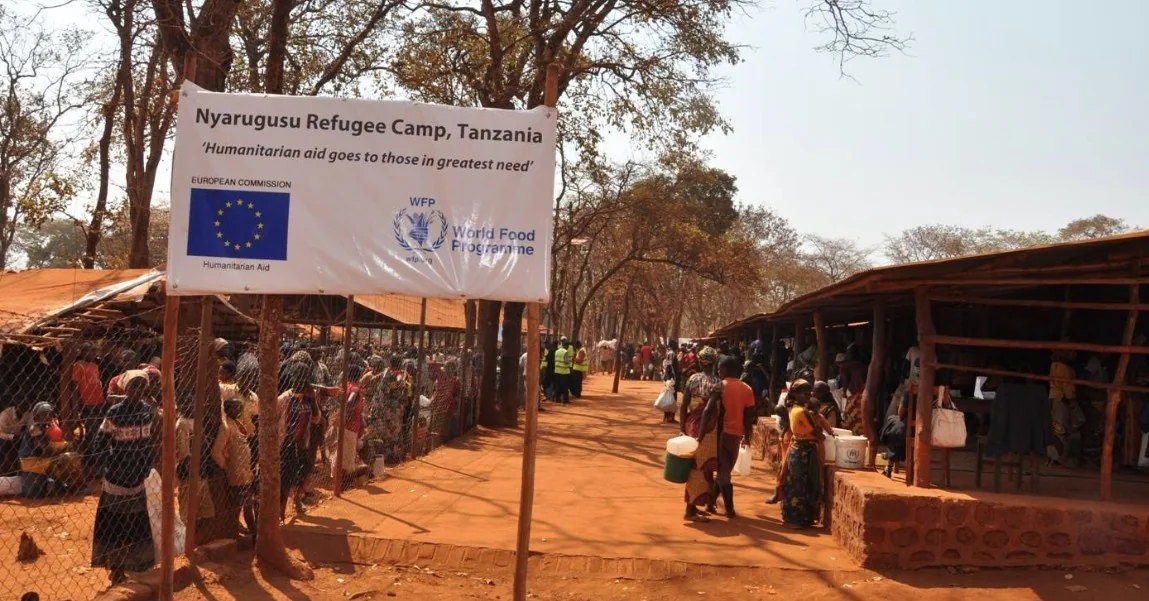
The organisation’s findings focus on Nyarugusu refugee camp, now the last remaining refugee camp in Tanzania following the closure of Nduta camp last month. According to the group, authorities are expected to shut Nyarugusu later this year.
“Whenever a refugee risks leaving the camp because of unavoidable necessities, they may face harsh consequences, including confiscation of property, arbitrary detention, physical abuse, and other forms of mistreatment,” a Burundian refugee cited by the group said.
The refugees also allege that notices have been placed inside Nyarugusu warning residents against leaving the facility, while movement permits are reportedly being limited largely to medical cases.
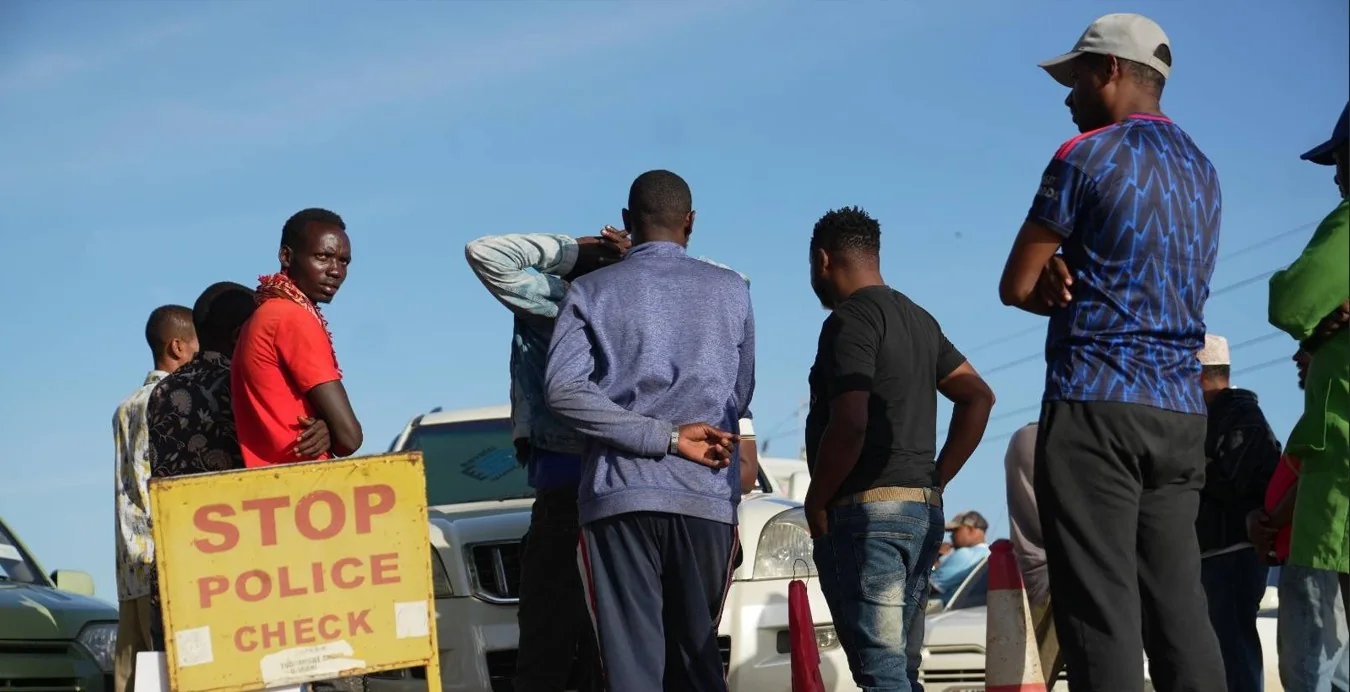
Some of the refugees further claim that individuals found outside the camp during market days in nearby villages have been arrested and transferred to detention facilities in Kasulu or Kibondo.
“When refugees go out of the camp for the market, for example, during the market day of neighbouring villages, the MoHA office in the camp will call the Migration staff, and they arrest refugees who are in the markets,” the refugee added.
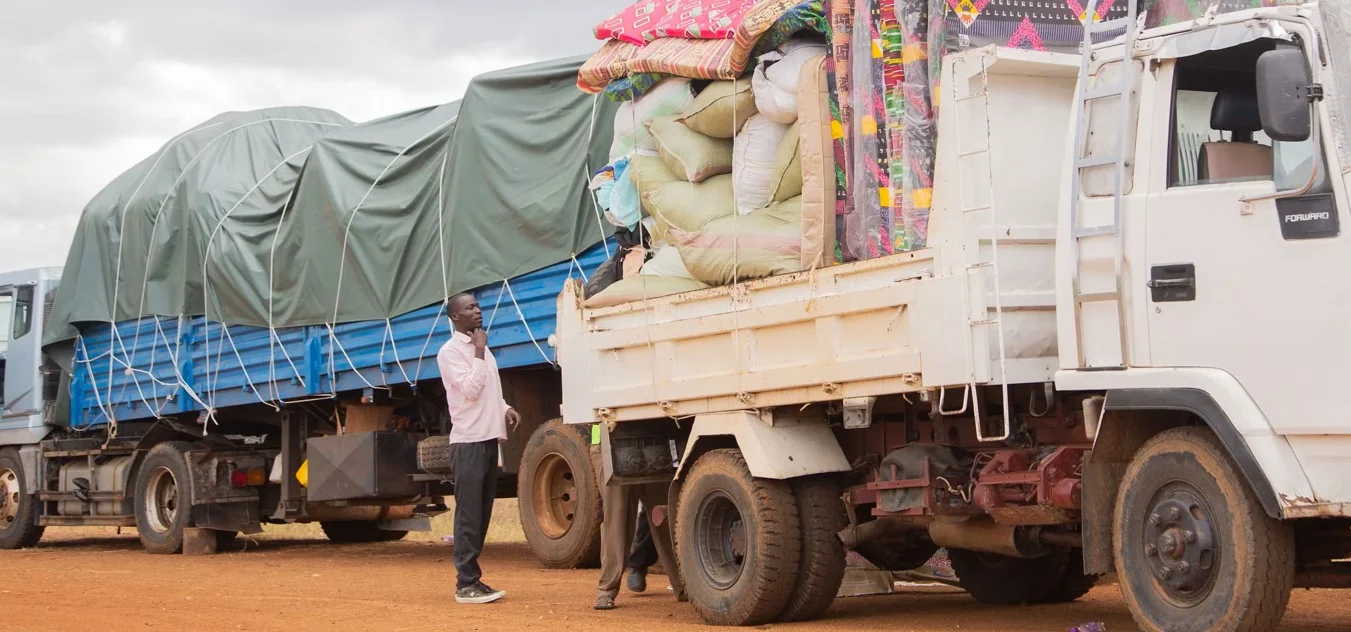
The allegations come as Tanzania, Burundi, and the UN refugee agency continue efforts to facilitate the return of Burundian refugees under existing tripartite agreements. UNHCR figures cited in the report show that nearly 57,000 refugees returned to Burundi between January and March 2026.
While Tanzanian authorities and UNHCR have described the returns as voluntary and conducted in line with international protection standards, rights groups and UN experts have increasingly questioned whether conditions inside the camps allow refugees to make free decisions about repatriation.
The Global Detention Project cited previous reports alleging that some refugees have faced pressure to register for return, including threats of arrest, withdrawal of assistance and intimidation inside camps.
"These and other reports call into question the voluntary nature of these returns," the group said.
It also referenced concerns raised by the UN Working Group on Arbitrary Detention regarding allegations of enforced disappearances and ill-treatment involving individuals accused of criticising repatriation efforts.






































Comments
Sign in with Google to comment, reply, and like comments.
Continue with Google