Farmers in Uganda on Tuesday filed a petition in the United Kingdom against a company behind a major crude oil pipeline project in the country, asking the UK High Court to stop the development from operating unless it complies with Uganda’s environmental and climate laws.
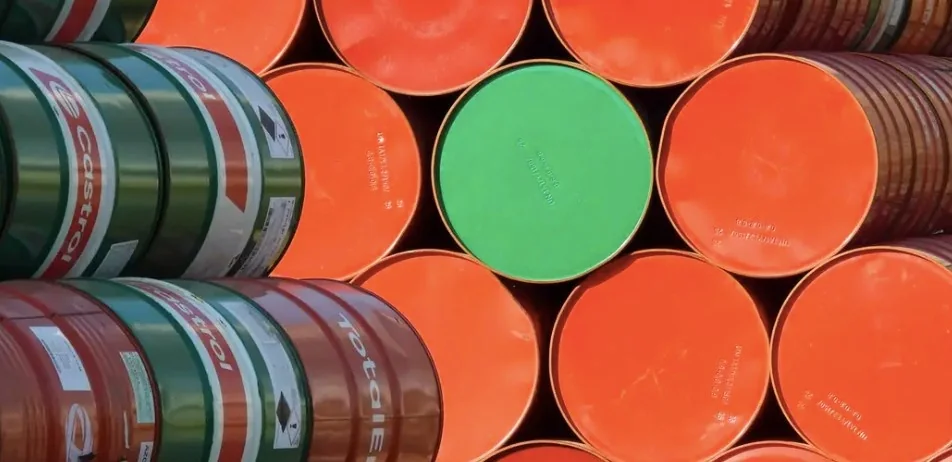
At the centre of the dispute is the East African Crude Oil Pipeline (EACOP), a planned cross-border pipeline stretching about 1,443 kilometres from Uganda’s oil-producing region to Tanzania’s coastal export facilities. The project, backed by French energy firm TotalEnergies, is expected to serve as Uganda’s main route for shipping crude oil to international markets.
According to TRT, the farmers’ petition targets EACOP Ltd, the England and Wales-registered company overseeing the pipeline, with the claimants arguing that the project must be subject to Uganda’s constitutional and environmental protections. The petitioners argue that the development violates citizens’ right to a clean and healthy environment and breaches national climate laws, adding that a successful outcome could halt or delay the pipeline’s operation.
EACOP has, however, rejected the claims, stressing that the project complies with Ugandan regulations and international environmental and social standards. Similarly, EACOP maintains that measures have been put in place to minimise risks and support communities affected by the development.
The court case comes as the pipeline remains a source of debate in Uganda between supporters who view it as a major economic opportunity and critics who warn of environmental and social consequences.
The Ugandan government, for instance, argues that the project will create jobs, attract investment and allow the country to benefit from its oil resources. However, communities along the pipeline route and environmental campaigners have raised concerns about its impact.
According to petitioners, the project could affect more than 100,000 people through land acquisition, changes to livelihoods and restrictions on access to farmland. Environmental groups have also questioned the pipeline’s route, saying it crosses sensitive ecosystems, including forests, wildlife habitats and hundreds of rivers.
They have similarly expressed concern about sections of the project linked to the Lake Victoria basin, warning that an oil spill could threaten water sources used by millions of people across the region.
Conservation groups also say the pipeline could put protected ecosystems at risk, including habitats supporting endangered eastern chimpanzee populations in areas such as Murchison Falls National Park and Bugoma Forest.











































Comments
Sign in with Google to comment, reply, and like comments.
Continue with Google