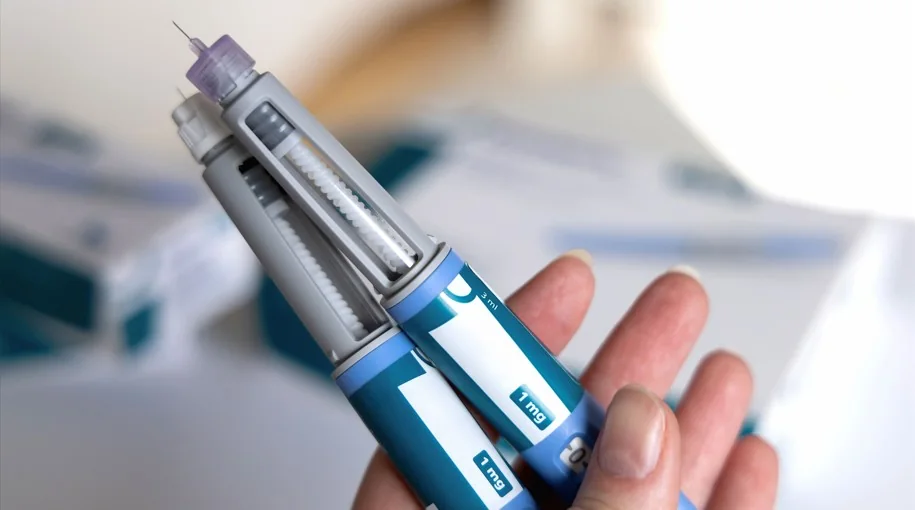
Médecins Sans Frontières (MSF) has called for the inclusion of analogue insulin pens in the Social Health Authority (SHA) benefits package, saying the move would improve diabetes management and reduce out-of-pocket costs for patients.
In a statement released on Tuesday, the organisation said adding analogue insulin pens to the benefits package would align with the World Health Organisation (WHO) recommendations and Kenya's national clinical guidelines, while making insulin delivery safer, easier to use and more accessible for people living with diabetes.
The appeal comes amid a growing diabetes burden in Kenya and globally. An estimated 821,500 adults, representing about three per cent of the country's adult population, were living with diabetes in 2021.
MSF, also known as Doctors Without Borders, noted that the actual number could be much higher, as it is estimated that more than 50 per cent of people with diabetes in Kenya remain undiagnosed.
The organisation said ensuring a sustainable supply of affordable analogue insulin pens is particularly important because around 8,000 children are currently receiving them through the Changing Diabetes in Children programme. However, unless analogue insulin pens become universally available in Kenya, these children will struggle to access the same standard of care once they age out of the programme.
Globally, the number of people living with type 1 diabetes is projected to increase from 8.4 million in 2021 to more than 13 million by 2040. Despite this rise, treatment coverage remains lowest in low- and middle-income countries.
“In fact, a global double standard of care exists whereby newer analogue insulin pens – which can simplify treatment and reduce complications for people with diabetes – are widely available in high-income countries, while access in low- and middle-income countries and humanitarian settings remains extremely limited,” the organisation adds.
Dr Elizabeth Jarman, noncommunicable disease technical advisor at MSF, said although the prevalence of diabetes is rising rapidly worldwide, access to treatment is not keeping pace, particularly in low- and middle-income countries where modern, more efficacious and patient-preferred treatments such as analogue insulin pens remain unaffordable or unavailable.
“By introducing analogue insulin pens to its Social Health Authority benefits package, Kenya would be leading the charge towards upending the global double standard in diabetes care and ensuring that people with diabetes have more equitable access to care,” she said.
MSF noted that insulin pens are the standard of care in many high-income countries and are often preferred over insulin delivered through vials and syringes because they improve dosing accuracy, are easier to use, and are more durable and compact. Overall, they can improve the quality of life for people living with diabetes.
Dr Narine Danielyan, MSF Medical Coordinator in Kenya, said the country should now take the final step by making analogue insulin pens available through the Social Health Authority benefits package, enabling more people to access the insulin delivery device best suited to their clinical needs in line with national guidelines.
“Over the past few years, Kenya has taken important steps in the right direction by including analogue insulin pens in its Essential Medicines List and the National Clinical Guidelines for Diabetes Management,” she added.
The organisation reiterated its commitment to improving the quality of care for people living with diabetes across its programmes worldwide and said it is supporting the transition from human insulin in vials to analogue insulin pens.
In Kenya, this support includes programmes in Homa Bay County and Dagahaley refugee camp.















































Comments
Sign in with Google to comment, reply, and like comments.
Continue with Google