Ghana defers Ramaphosa state visit over xenophobic attacks
Ghana defers Ramaphosa state visit over xenophobic attacks

Listen

Read this story aloud

Listen to the clean text version of this article.

Ready
3 min listen
Audio reading is not supported on this browser.

The move marks one of the clearest signs yet that xenophobic violence is beginning to shape diplomatic relations between African states.

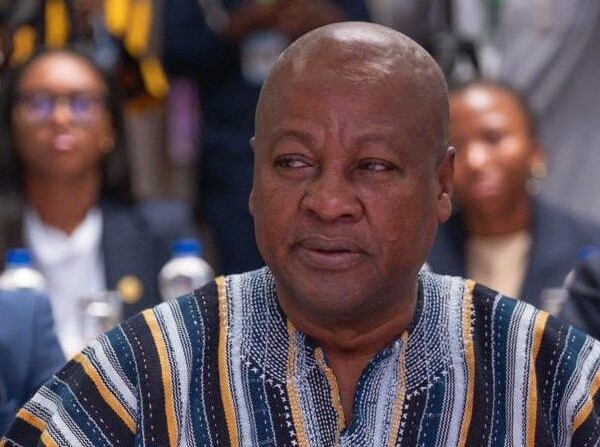
Ghana has deferred a proposed state visit by South African President Cyril Ramaphosa, citing growing concerns over reported xenophobic attacks targeting Ghanaian nationals in South Africa.
The move marks one of the clearest signs yet that xenophobic violence is beginning to shape diplomatic relations between African states.
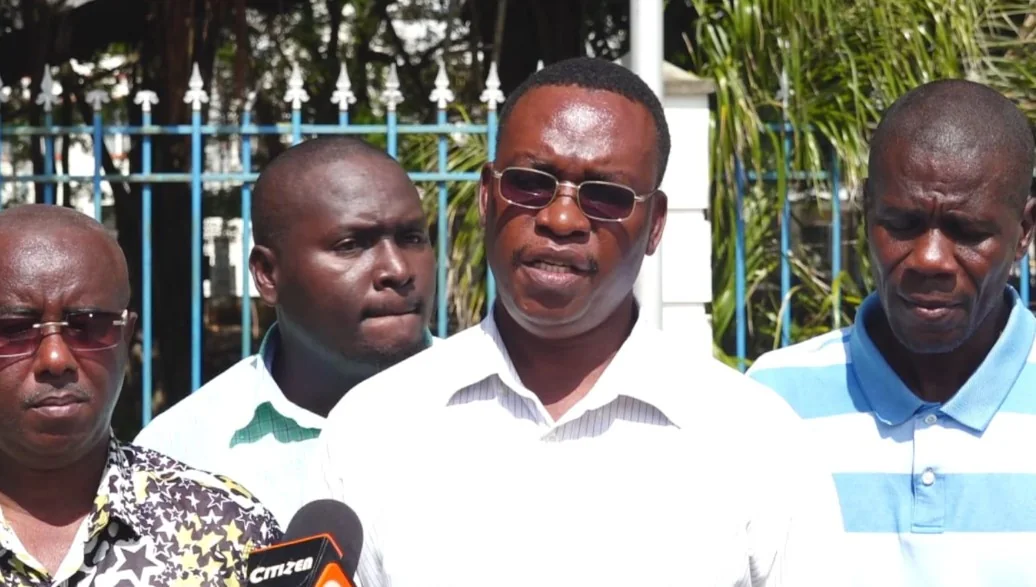
Government spokesperson Felix Kwakye Ofosu said Accra had formally communicated its decision to Pretoria, arguing that the current atmosphere was not conducive to a high-level state visit.
“We sent them a communication indicating that it would be best to defer the visit in view of the present climate around xenophobia,” he told the BBC.
Ramaphosa had been expected to travel to Ghana during the first week of August, with the visit seen as an opportunity to ease rising tensions between the two countries.
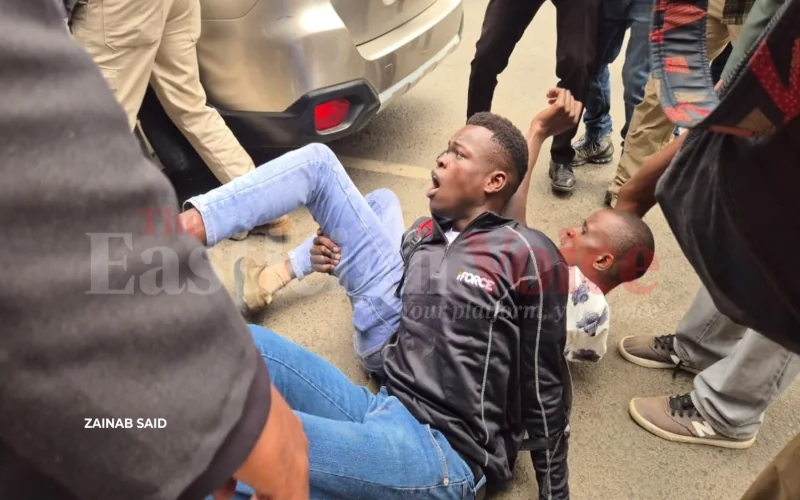
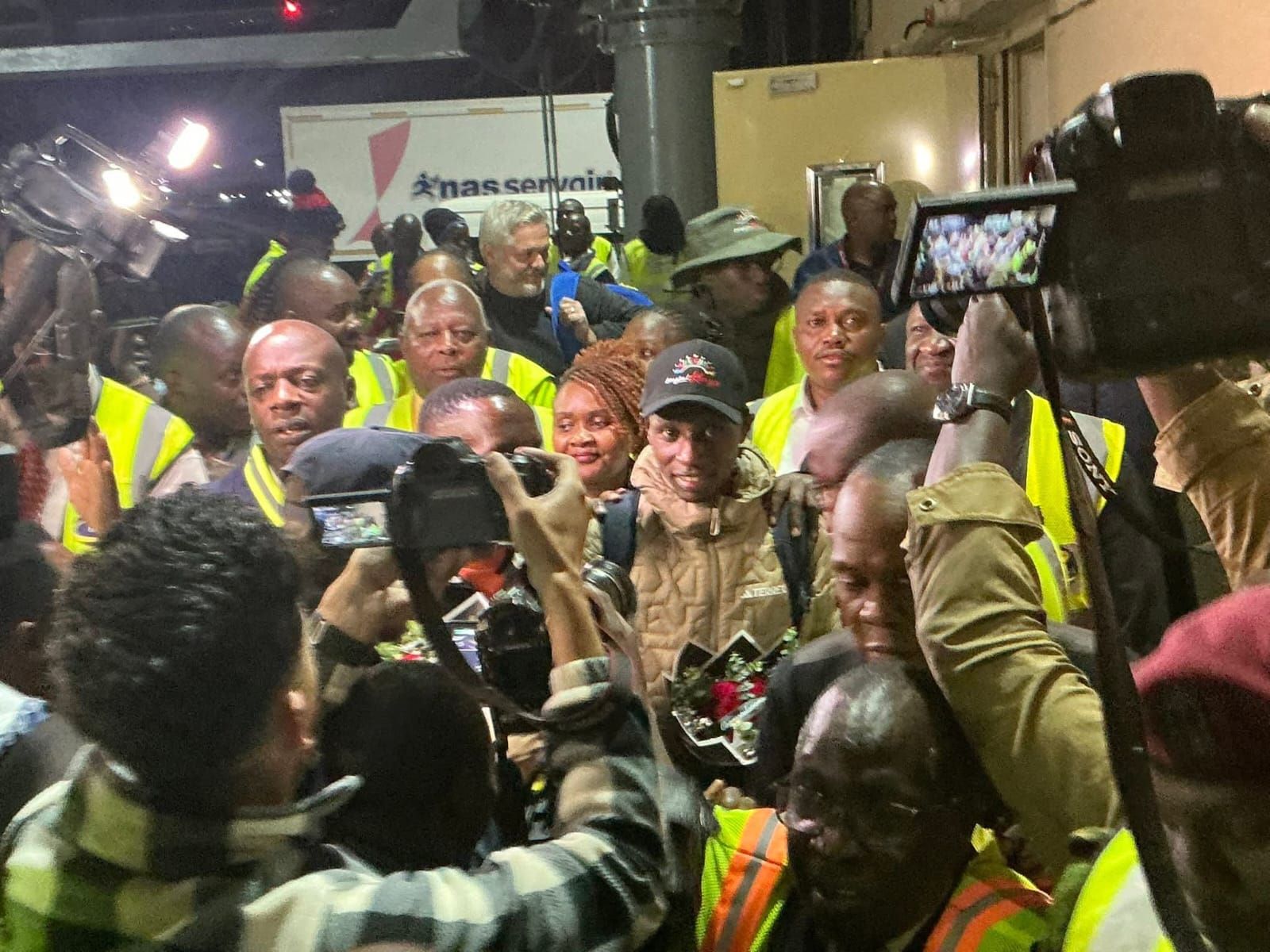
Instead, relations have deteriorated following reports of attacks on Ghanaian migrants in South Africa and the circulation of a viral video showing a Ghanaian national, Emmanuel Asamoah, being confronted and told to “go fix his country.”
Ghana has since repatriated hundreds of its citizens from South Africa, with additional return flights expected in the coming weeks.
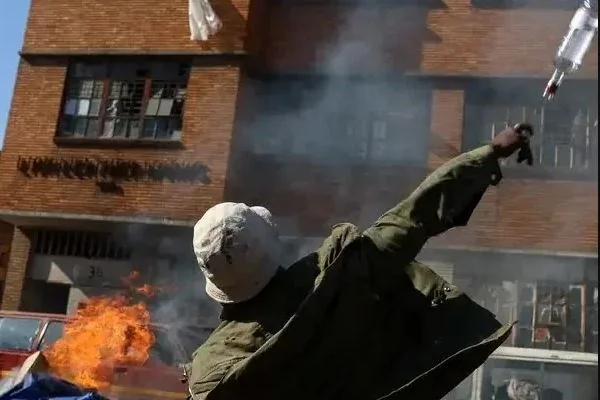
Tensions escalated further after reports that a Ghanaian national was killed during anti-migrant demonstrations on June 30.
South African authorities have disputed the claim, maintaining that the death was unrelated to the protests.
Pretoria has also challenged Ghana’s account of the diplomatic exchange.
Presidential spokesperson Vincent Magwenya denied that South Africa had requested a state visit, saying discussions between the two governments concerned preparations for the next session of the South Africa-Ghana Bi-National Commission rather than a presidential visit.
Despite the disagreement, both governments say diplomatic engagement will continue.
“The two countries will continue to engage through diplomatic channels to identify a mutually convenient date,” Magwenya said.

The episode highlights how xenophobic violence, once viewed largely as a domestic South African issue, is increasingly carrying diplomatic consequences.
For African governments, the protection of their citizens abroad is becoming an important test of bilateral relations, with migration and public safety now emerging as central issues in intra-African diplomacy.

Comments

0
Loading comments...

Trending

Popular Stories This Week