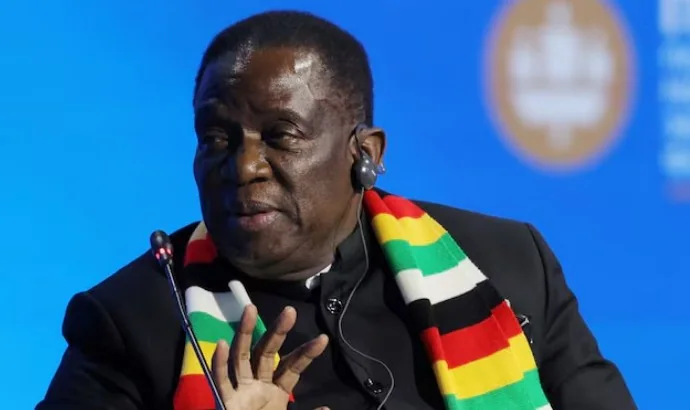
Zimbabwe has enacted sweeping constitutional reforms after President Emmerson Mnangagwa signed the Constitutional Amendment Act into law, extending the presidential term from five to seven years and replacing direct presidential elections with the parliamentary election of the head of state.
The legislation was gazetted after passing both houses of Parliament, with the National Assembly approving the final amendments last week.
Under the new law, future presidents will no longer be elected through a direct popular vote. Instead, Parliament will elect the head of state.
The reforms also extend the terms of Members of Parliament from five to seven years.
The Act introduces far-reaching changes to Zimbabwe's governance and judicial systems. It requires the Attorney-General to meet the qualifications of a Supreme Court judge and abolishes public interviews for judicial appointments.
The President will also appoint 10 additional senators, increasing the size of the Senate from 80 to 90 members.
Responsibility for voter registration will shift from the Zimbabwe Electoral Commission (ZEC) to the Registrar-General, while a new commission will oversee the delimitation of constituencies and wards.
The amendments further provide that, in the event of a presidential vacancy, a Vice-President will serve as acting President until Parliament elects a replacement within 30 days.
The law also creates the office of Judge President of the Supreme Court and grants the Court discretion to hear appeals involving important points of law where leave has been granted.
The constitutional overhaul marks one of the most significant changes to Zimbabwe's governance framework in recent years, reshaping the country's electoral, legislative and judicial systems.
















































Comments
Sign in with Google to comment, reply, and like comments.
Continue with Google