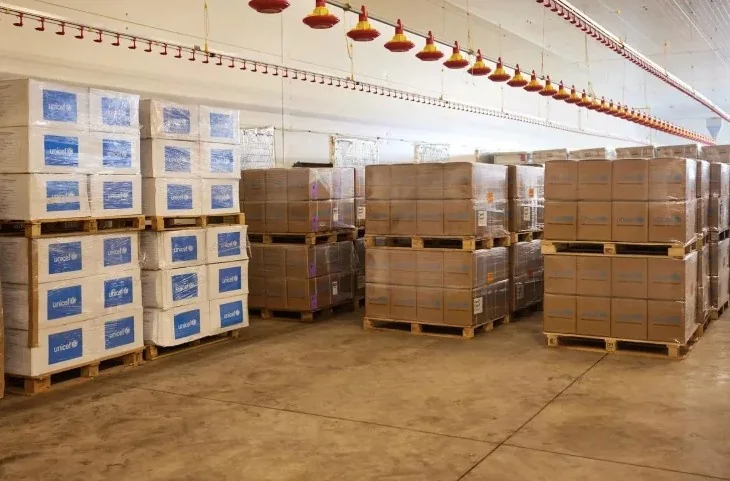
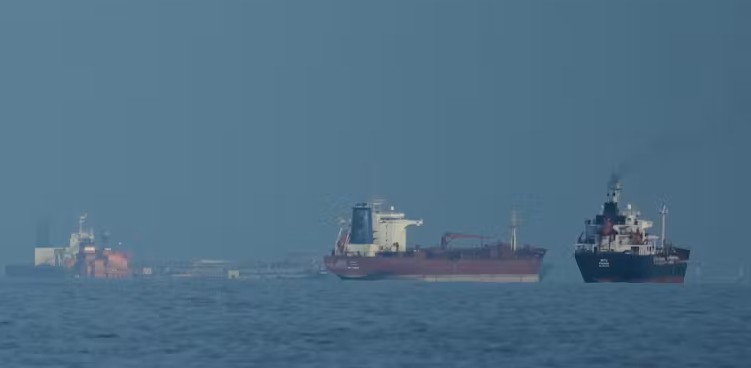
Global shipping disruptions linked to tensions in the Middle East are delaying humanitarian deliveries and increasing transport costs for essential children's supplies, forcing the United Nations Children's Fund (UNICEF) to stretch limited resources and scale back the reach of critical programmes worldwide.
The disruption is being fuelled by longer shipping routes, port congestion and limited air freight capacity, which are slowing supply chains and driving up the cost of transporting key humanitarian goods, including vaccines, nutrition supplies and educational materials.
“What begins as a disruption to shipping lanes can spiral into a humanitarian crisis,” said UNICEF Chief of Global Transport and Logistics, Jean-Cedric Meeus, warning that logistical challenges are increasingly reshaping humanitarian operations across the globe.
According to Meeus, the impact is already evident in both costs and delivery timelines. Air freight costs for vaccines shipped from India to Ethiopia, Nigeria and the Democratic Republic of Congo have risen by between 50 and 70 per cent. Trucking costs for Ready-to-Use Therapeutic Food transported from Kenya to Somalia, South Sudan and the DRC have also increased by about 30 per cent.
Meeus further noted that sea freight costs for education materials shipped from China to Yemen and Mozambique have surged by 100 to 150 per cent on some routes.
“These pressures are rendering the margins for error for organisations like UNICEF precarious,” Meeus said, adding that the challenge extends beyond delays, as rising transport costs are consuming an ever-larger share of already limited budgets.
The increased costs are forcing difficult decisions on the ground. In Nigeria, rerouting supplies for a national polio vaccination campaign added $200,000 (Sh25.9 million) to expenses, increasing transport costs by 56 per cent. Similar pressures have emerged in Mali, where freight costs rose by 36 per cent during the first quarter, prompting a review of nutrition coverage plans. In Afghanistan, alternative shipping routes are adding approximately two months to the delivery of essential supplies.
“For a child in a crisis zone, delays in vaccines or nutrition interventions can mean the difference between life and death,” Meeus said.
Despite the challenges, UNICEF says it is working to keep supplies moving by rerouting shipments, expanding local production and collaborating with partners to minimise additional charges on humanitarian cargo.
However, the agency warned that without more stable transport routes and sustained funding, delays will continue to grow, leaving vulnerable children at greater risk as humanitarian response efforts slow.











































Comments
Sign in with Google to comment, reply, and like comments.
Continue with Google