At least one million women and girls have lost access to critical support since January 2025 as funding cuts push women-led organisations operating in conflict and crisis zones towards collapse, a new UN Women report has warned.
The report, titled Beyond the Breaking Point, found that two in five women-led and women’s rights organisations surveyed expect to shut down temporarily or permanently within the next year, threatening services for survivors of violence, displaced families and vulnerable communities.
The findings are based on responses from 855 organisations across 52 countries affected by conflict and humanitarian crises, where demand for support has surged as available funding continues to shrink.
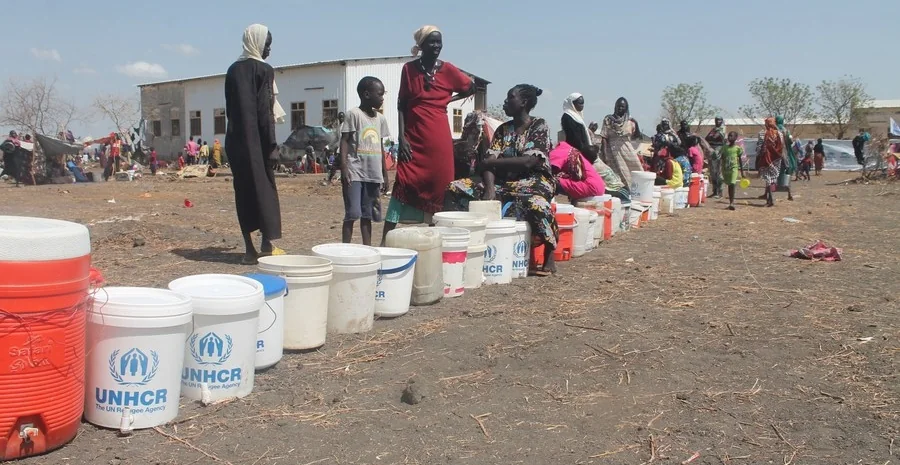
According to UN Women, the funding crisis is unfolding at a time when humanitarian needs among women and girls have reached unprecedented levels, with an estimated 120 million requiring assistance and protection globally.
“The women’s organisations at risk of being shut down are on the frontlines of the world’s most severe humanitarian crises,” UN Women Chief of Humanitarian Action, Sofia Calltorp, said.
The report also found that 84 per cent of organisations surveyed had recorded increased demand for their services since January 2025, while nearly nine in 10 said they could no longer meet the level of need facing the women and girls they serve.
Similarly, about 65 per cent reported that staff were working without pay, while 48 per cent said they were experiencing increased burnout among employees.
The impact is already being felt by women and girls seeking support. Half of the organisations surveyed said they had introduced waiting lists or turned away people in need, while 92 per cent reported rising poverty among the women they serve and 82 per cent reported increasing numbers of girls dropping out of school.
According to UN Women, the funding crisis is worsening protection gaps as gender-based violence rises in conflict-affected communities. Eighty-six per cent of organisations reported increased cases of gender-based violence, while 62 per cent said safe spaces for survivors had been reduced or were no longer available.
Women and girls in remote, conflict-affected and hard-to-reach areas, the UN agency says, are bearing the greatest impact, with nearly two-thirds of organisations reporting cuts to services in those communities.
Beyond humanitarian assistance, the report warned that the collapse of women-led organisations threatens progress on women’s rights, leadership and participation in decision-making.
One in five organisations surveyed said they had already suspended work advancing women’s leadership and gender equality.
“Without immediate action, the organisations that have kept women and girls alive through the world’s worst crises risk becoming another casualty of war,” Calltorp said.































Comments
Sign in with Google to comment, reply, and like comments.
Continue with Google