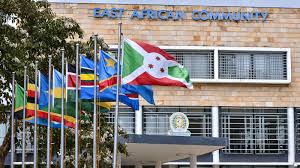
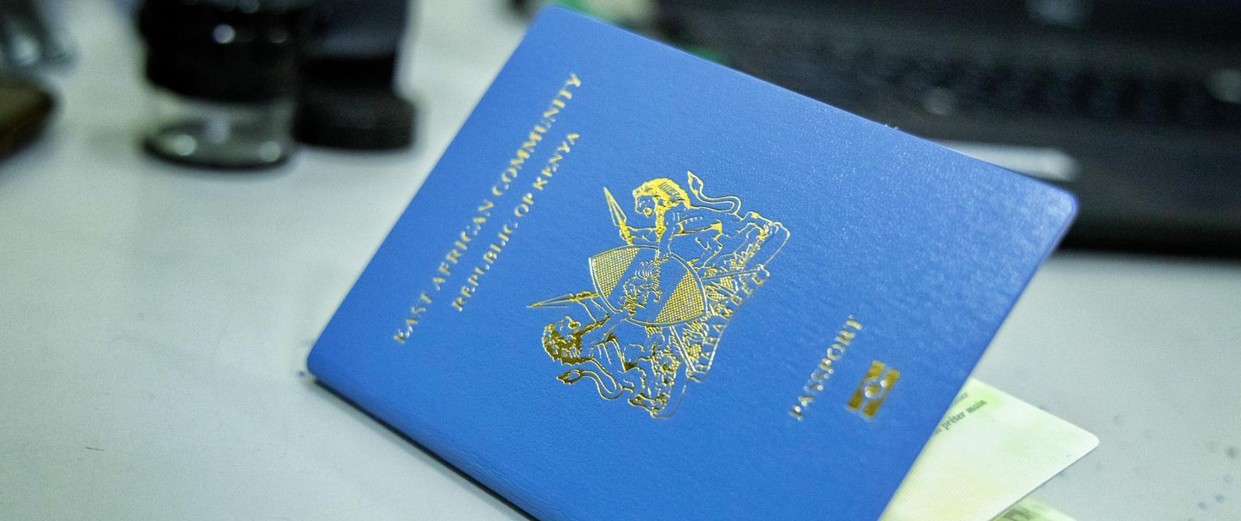
The East African Community (EAC) has reaffirmed progress towards establishing a single regional currency by 2031.
However, member states are advancing at different speeds in meeting the macroeconomic conditions required for monetary union.
The update emerged from the 29th Ordinary Meeting of the EAC Monetary Affairs Committee held on July 24 in Kampala, Uganda.
According to the Committee, central banks across the region have made progress in implementing the East African Monetary Union (EAMU) roadmap, including modernising and harmonising monetary policy frameworks, strengthening economic data and risk management systems, and improving policy coordination through information sharing and joint research.
It also highlights efforts to promote the use of the East African Payment System to support regional trade and financial integration, alongside investments in human capital development across central banking institutions.
However, the region still faces a major hurdle in achieving monetary convergence.
The Committee notes that progress has been uneven, with no partner state having attained all four primary convergence criteria.
These include maintaining headline inflation at no more than 8.0 per cent and keeping the fiscal deficit, including grants, below 3.0 per cent of GDP.
Partner States are also required to keep gross public debt at no more than 50 per cent of GDP in net present value terms and maintain foreign exchange reserves equivalent to at least 4.5 months of imports.
The Committee therefore calls for faster implementation of the EAMU roadmap, including the establishment of a peer review mechanism to strengthen macroeconomic surveillance across the region.
The meeting also noted the need to develop operational frameworks for implementing the EAC Five Year Development Strategy covering the 2026/27 to 2030/31 period.
The monetary union agenda comes against a backdrop of heightened global risks, including elevated international oil prices and shipping costs linked to the conflict in the Middle East.
Despite these pressures, the EAC economy is projected to grow by 5.2 per cent in 2026, outperforming the projected Sub-Saharan Africa average of 4.3 per cent.
Regional average headline inflation also moderated to 6.7 per cent in the 2025/26 financial year from 9.6 per cent in 2024/25.
Additionally, the Committee notes that regional currencies are expected to remain broadly stable, supported by diversified foreign exchange inflows and reforms in domestic foreign exchange markets.
It further calls on central banks to strengthen resilience by diversifying international reserve sources, including through domestic gold purchases and efforts to attract remittances, while coordinating policy responses to external shocks.












































Comments
Sign in with Google to comment, reply, and like comments.
Continue with Google