Millions of people could soon gain access to a more affordable next‑generation HIV prevention pill after pharmaceutical company Merck signed royalty‑free licensing agreements with seven generic drug manufacturers.
Merck, a global pharmaceutical company based in the United States (US), develops medicines and vaccines for diseases such as HIV, cancer, diabetes, and infectious diseases.
The agreements cover 129 countries, including many with the highest HIV burden, allowing manufacturers to produce and supply low‑cost generic versions of alimatravir, an experimental once‑monthly HIV prevention pill currently in late‑stage clinical trials.
The seven manufacturers include three from sub‑Saharan Africa, Aspen Pharmacare of South Africa, Quality Chemical Industries (QCIL) of Uganda and UCL Kenya and four Indian companies: Aurobindo, Cipla, Emcure, and Viatris.
Merck said the royalty‑free licenses apply to both the public and private sectors, allowing countries to prepare for large‑scale access if the medicine receives regulatory approval.
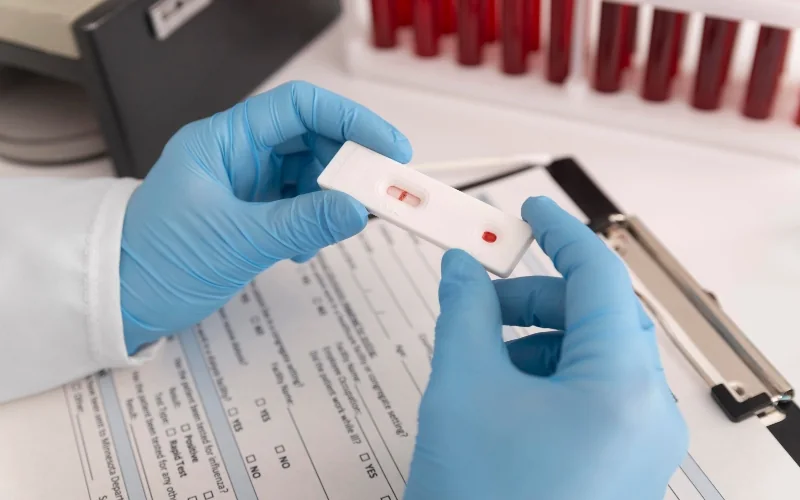
Alimatravir is being developed as a once‑monthly oral pre‑exposure prophylaxis (PrEP) pill to prevent HIV infection. Early studies suggest that one pill could protect against HIV‑1 for an entire month, with protection beginning within one hour after taking the dose. The medicine is still undergoing Phase Three clinical trials and has not yet been approved for use.
The company said it signed the licensing agreements before the completion of clinical trials to give generic manufacturers time to prepare production, complete regulatory processes, and ensure the medicine reaches patients quickly once approved.
Merck also announced plans to invest in manufacturing capacity while trials are still underway to avoid delays in supplying the medicine to countries with high HIV burdens. It said it will provide an initial supply of the drug until generic manufacturers are ready to begin production.
The initiative marks the first time that manufacturers from sub‑Saharan Africa have been included in voluntary licensing agreements for an HIV prevention medicine from the outset. The strategy is expected to strengthen local pharmaceutical manufacturing, improve supply chains, and increase access to HIV prevention products across Africa.
The announcement comes as the world continues to face a significant HIV burden.
According to the Joint United Nations Programme on HIV/AIDS (UNAIDS), about 40.9 million people were living with HIV in 2025, with sub‑Saharan Africa accounting for more than half of all cases worldwide. Globally, an estimated 1.2 million people acquired HIV in 2025, highlighting the need for more accessible prevention options.
Although several HIV prevention methods are already available, including daily oral PrEP and long‑acting injectable medicines, uptake remains low. UNAIDS estimates that only 3.5 million people were using oral PrEP in 2023, well below the global target of 20 million people by 2030.
Merck said it will continue working with governments, health partners, and the HIV community to ensure rapid and equitable access to alimatravir if regulators approve the medicine.
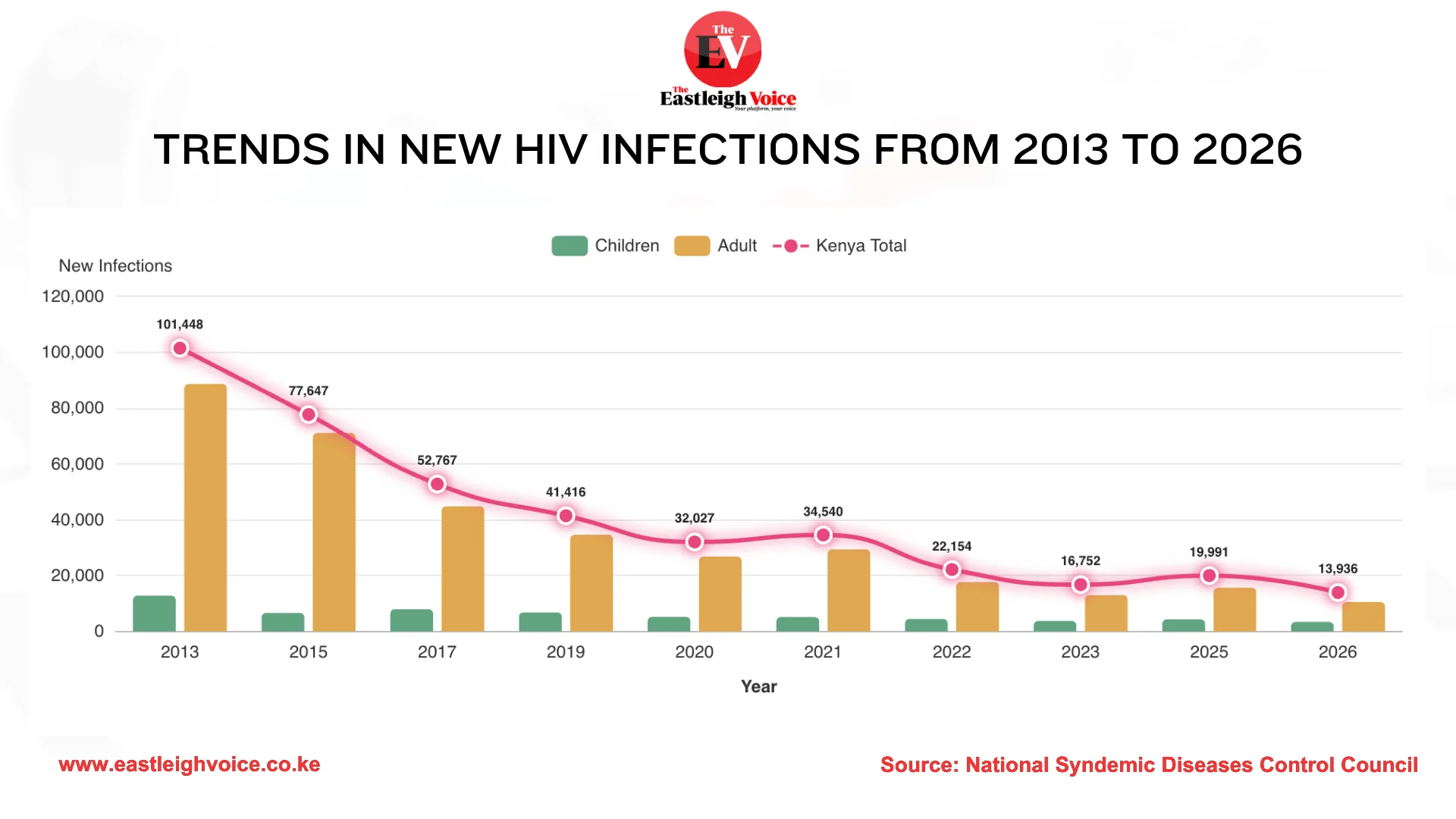
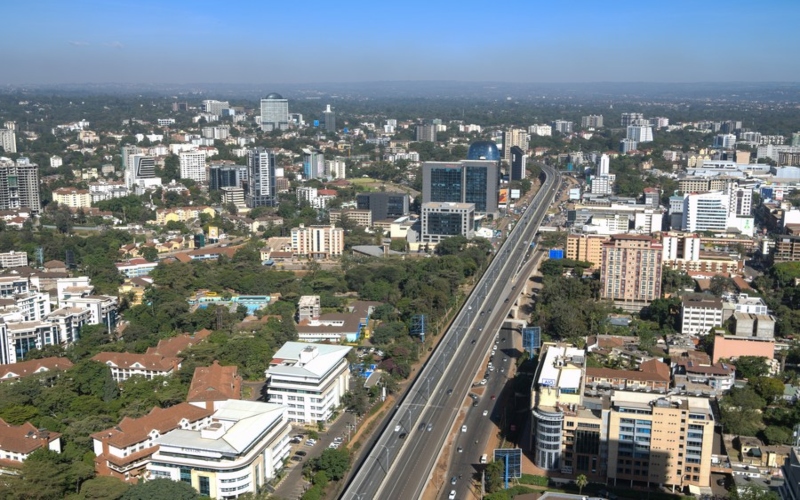
In Kenya, HIV remains a major public health challenge, with an estimated 1.38 million people living with the virus. About 97 per cent of those diagnosed know their HIV status, while more than 1.3 million are receiving life‑saving antiretroviral treatment. Despite this progress, the country still records around 16,700 new HIV infections and 20,500 AIDS‑related deaths every year.









































Comments
Sign in with Google to comment, reply, and like comments.
Continue with Google