Taita Taveta targets zero mother-to-child HIV transmission through men's involvement

Health officials in Taita Taveta are urging men to join partners in early antenatal care to reduce mother-to-child HIV transmission, citing low male involvement and rising youth risk behaviours as key challenges.
Men in Taita Taveta County have been urged to take a more active role in early antenatal care, as health officials warn that rising HIV transmission rates are being fuelled by low male involvement, undermining efforts to protect mothers and newborns.
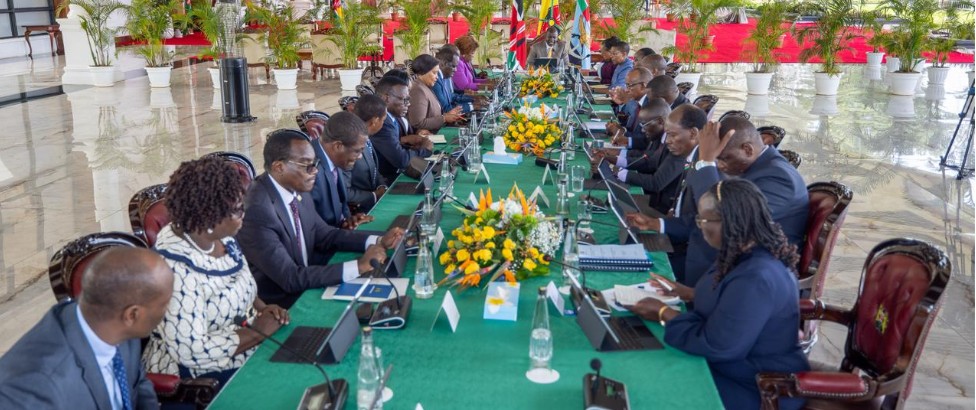
The call was made during a county-level review meeting on the Prevention of Mother-to-Child Transmission (PMTCT) of HIV, held in Voi, where health managers assessed progress and identified gaps in eliminating new infections among infants.
More To Read
- Why antenatal clinic attendance is falling — and the deadly risks for mothers and babies
- Governor Mwadime reshuffles Taita Taveta County administration to boost service delivery
- WHO calls for urgent action to achieve universal health coverage by 2030
- German researchers find highly effective HIV antibody
- New study reveals why young mothers in Kenya are at higher risk of preterm births
- Taita Taveta leaders push for women’s land rights, economic empowerment
County Director of Health Services, Elvis Mwandawiro, stressed that delayed entry into antenatal care remains a major risk factor for HIV transmission, particularly when male partners are absent from maternal health services. He explained that early ANC attendance enables timely testing, treatment and follow-up, which significantly reduces the risk of transmission from mother to child.
“The fight against HIV cannot succeed if men remain on the sidelines. Both partners must be enrolled in care and adhere to treatment to achieve viral load suppression,” Mwandawiro said, warning that failure to do so can lead to reinfection with different HIV strains, resulting in higher viral loads.
The meeting, convened by the Taita Taveta County Elimination of Mother-to-Child Transmission (EMTCT) Taskforce and supported by USAID Stawisha Pwani, brought together county and sub-county health managers. Performance reports from Wundanyi, Taveta, Mwatate and Voi sub-counties highlighted trends in testing, treatment uptake and infant outcomes.
Beyond clinical indicators, participants examined broader factors affecting maternal and child health, including community outreach strategies, the availability of laboratory and pharmacy commodities, and the county’s nutrition status. Health officials noted that shortcomings in these areas continue to disrupt continuity of care for expectant mothers and HIV-exposed infants.
Mwandawiro also encouraged men to take part in key milestones such as HIV-Exposed Infants graduation ceremonies, describing family support as a vital pillar in sustaining treatment adherence and long-term viral suppression.
He further expressed concern over shifting risk perceptions among young people, noting that many now fear unintended pregnancies more than HIV infection. According to the health department, rising drug abuse and other high-risk behaviours are increasing vulnerability to new infections, underscoring the need for targeted, youth-focused prevention and behaviour change programmes.
Health authorities emphasise that strengthening male involvement, promoting early antenatal attendance and tackling youth risk behaviours will be crucial to reversing current trends and achieving the county’s goal of eliminating mother-to-child transmission of HIV.
Other Topics To Read
Top Stories Today