Four Kenyans move to court to block Ruto's Sh5 trillion National Infrastructure Fund
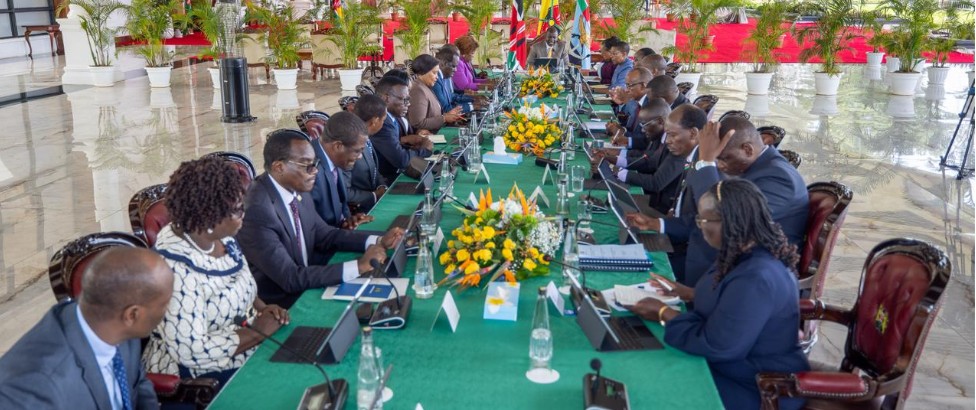
The petitioners argue that the proposed fund, amounts to a national public fund that can only be established through the Constitution or an Act of Parliament.
Four Kenyans have petitioned the High Court seeking to halt the implementation of the proposed National Infrastructure Fund, arguing that the initiative was unlawfully created through executive action without parliamentary approval.
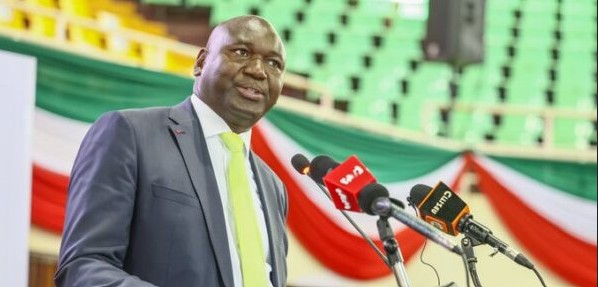
In a petition filed before the Constitutional and Human Rights Division at the Milimani Law Courts in Nairobi, the petitioners accuse President William Ruto's administration of violating the Constitution by announcing the fund through a State House communiqué issued on December 15, 2025.
More To Read
- National Infrastructure Fund ‘90 per cent borrowing off the books’, Ndindi Nyoro claims
- Government approves alternative funding for Naivasha-Kisumu SGR phase 2B
- National Infrastructure Fund criticised as civic group questions Ruto’s Singapore vision
- Atwoli warns opposition to Sovereign Wealth Fund risks stalling Kenya’s economic transformation
- State unveils Sh5 trillion infrastructure plan, JKIA upgrade and new airport to start in January 2026
- Cabinet approves Sh5 trillion strategy to expand roads, energy, agriculture and trade
The petitioners argue that the proposed fund, which the government has described as a key pillar of a Sh5 trillion infrastructure development plan, amounts to a national public fund that can only be established through the Constitution or an Act of Parliament.
They contend that creating such a fund through an executive decision is unconstitutional.
Led by Nakuru-based consultant surgeon Dr Magare Gikenyi, the petitioners fault the executive for approving the fund as a limited liability company, saying this move exceeds presidential authority and undermines constitutional safeguards on public finance.
They point to Article 206 of the Constitution, which expressly provides that all national public funds must be established either by the Constitution or by legislation enacted by Parliament.
According to the petition, a public fund cannot lawfully be created under other legal frameworks, including the Companies Act.
The court papers further argue that the process violated key principles of public finance outlined in Article 201 of the Constitution, including transparency, accountability, and public participation. The petitioners say the public was not consulted before the announcement was made.
Concerns have also been raised over the potential impact of the proposed fund on existing constitutional mechanisms, particularly the Equalisation Fund provided for under Article 204.
The petitioners warn that the new fund could duplicate or divert resources meant to support marginalised areas, thereby weakening protections aimed at promoting equitable development.
The petition also accuses Parliament of failing to exercise its oversight role, alleging that both the National Assembly and the Senate allowed the executive to "purport to create an ad hoc public fund outside the budgetary framework," effectively diminishing legislative control over public finances.
Further, the petition questions how the fund would be structured and managed, noting that the government has not clarified whether it would be a company limited by shares or by guarantee. This lack of disclosure, they argue, violates constitutional requirements on access to information and transparency.
The petitioners have asked the court to issue conservatory orders suspending the implementation of the fund pending the determination of the case. They are also seeking declarations that the actions taken to establish the fund are unconstitutional, null, and void.
The Attorney General, the Cabinet Secretary for the National Treasury, Parliament, and the Controller of Budget have been named as respondents. The Law Society of Kenya and Katiba Institute are listed as interested parties. Responses from the respondents are yet to be filed.
Top Stories Today