Senators have directed the Mombasa County Executive to strengthen the collection of its own-source revenue after concerns emerged over shortfalls in key revenue streams.
Among the areas flagged by the County Public Accounts Committee were land rates, cess collections and Single Business Permit revenue, even as the county recorded steady growth in overall revenue collection over the past three financial years.
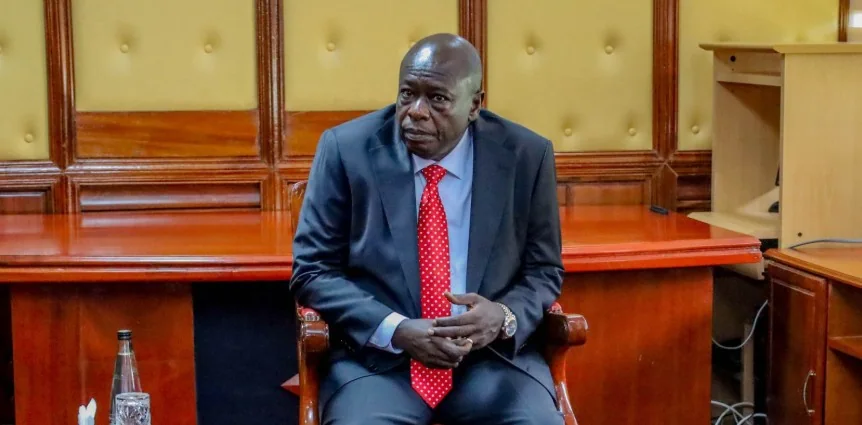
Appearing before the committee, Governor Abdulswamad Sheriff Nassir attributed the challenges in revenue collection to an outdated valuation roll, enforcement difficulties and public resistance, particularly in the collection of land rates.
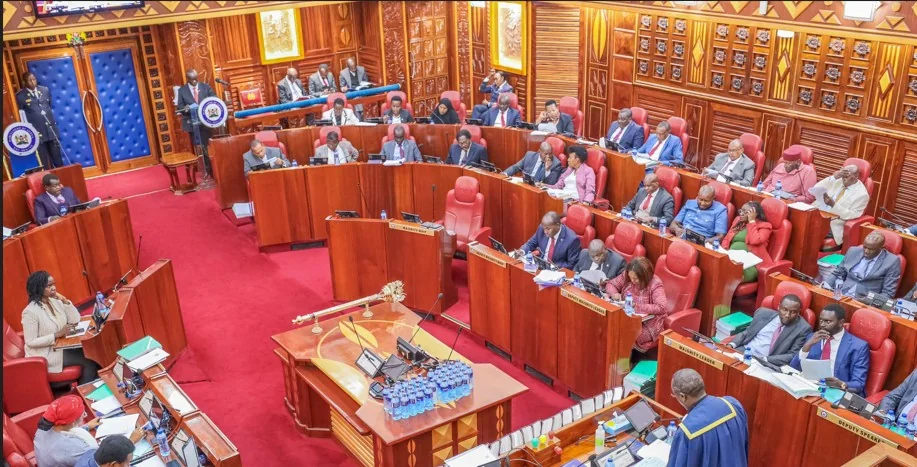
The governor, accompanied by senior county officials, including County Executive Committee Member for Finance Evans Oanda, appeared before the committee to respond to audit queries and provide a status report on the implementation of Senate recommendations issued on March 31, 2026, following the adoption of the Auditor General’s reports on the County Government of Mombasa for the financial year ended June 30, 2025.
During the meeting chaired by Homa Bay Senator Moses Kajwang', members largely focused on the Receiver of Revenue Report for the year under review.
The committee noted that Mombasa County has steadily improved its own-source revenue collection since 2023. Revenue increased from Sh3.9 billion in the financial year ended June 30, 2023, to Sh4.5 billion by June 2024 and further rose to Sh4.8 billion by June 2025.
Governor Nassir attributed the growth to prudent financial management, enhanced enforcement measures and robust revenue collection strategies implemented by his administration without increasing levies.
Despite the rise in overall collections, the committee raised concerns over several revenue streams that failed to meet their targets.
Land rates emerged as one of the key areas of concern. During the 2024/25 financial year, the county projected to collect Sh1.4 billion from land rates but realised only Sh883 million.
"This was largely due to enforcement challenges," Governor Nassir told the Committee during the session.
Senator Kajwang' suggested that the failure to meet the target could have been caused by leakages in the revenue collection system, but the governor dismissed the claims.
"Our system is fully automated. It is linked directly to our bank accounts, and I can state confidently that there is no way payments can be made without being captured and received through the system," he said.
Governor Nassir explained that the county's valuation roll was prepared in 1991 and is no longer suitable for current economic and property market conditions. He added that attempts to revise it have been delayed by prolonged litigation.
Senator Kajwang' observed that land rates remain one of the most problematic revenue streams and account for a substantial portion of the county's revenue arrears. He said policy and enforcement challenges continue to limit the county's ability to realise the full revenue potential from land rates.
The governor said the county has started measures aimed at addressing the problem, including digitising land records, working with the Registrar of Lands and reviewing the county valuation roll.
"Efforts are underway, including the digitisation of land records, collaboration with the Registrar of Lands, and the revision of the county valuation roll, to address challenges relating to land rates," he said.
Senator Kajwang' acknowledged the legal and policy constraints highlighted by the governor and urged the Senate Committee on Lands, Environment and Natural Resources to follow up on the operationalisation of the National Rating Act, 2024, to help address land rates challenges across counties.
The committee also expressed concern over the performance of cess collections. The county collected Sh520 million in cess revenue against a target of Sh780 million.
Although the Sh520 million represented an increase from the Sh503 million collected in the 2023/24 financial year, Governor Nassir attributed the shortfall to disruptions and the relocation of some cess collection points.
Members also questioned the performance of Single Business Permit revenue, which the committee considers a critical source of county income.
While acknowledging the underperformance, Governor Nassir told the committee that the county has contracted a firm to digitally map all businesses operating within Mombasa to widen the revenue base and bring more businesses into the tax net.
The meeting also discussed broader policy matters affecting counties, including proposals to permanently employ Community Health Promoters.
Committee members noted the need to ring-fence funding for Community Health Promoters by incorporating their allocations into the county's equitable share and ensuring regular disbursement of funds to counties to guarantee the sustainability of the programme.

































Comments
Sign in with Google to comment, reply, and like comments.
Continue with Google