A pilot waste segregation programme targeting 1,000 households has been rolled out in Mombasa as county authorities and waste management stakeholders intensify efforts to reduce plastic pollution and improve recycling across the city.
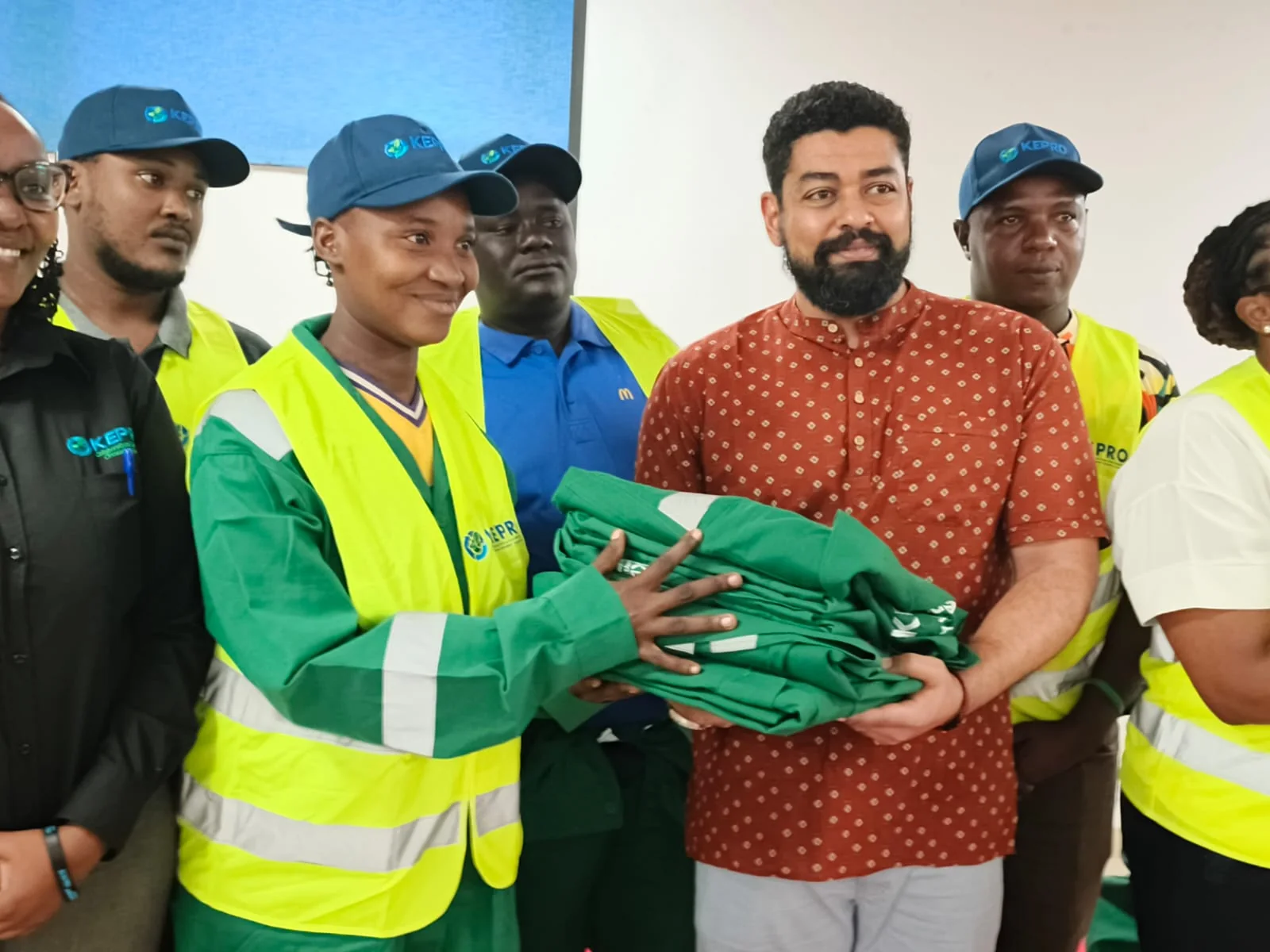
The initiative is being implemented through a partnership between the Kenya Extended Producer Responsibility Organisation (Kepro) and the Mombasa County Government, with officials saying it aims to encourage residents to separate waste at household level before collection.
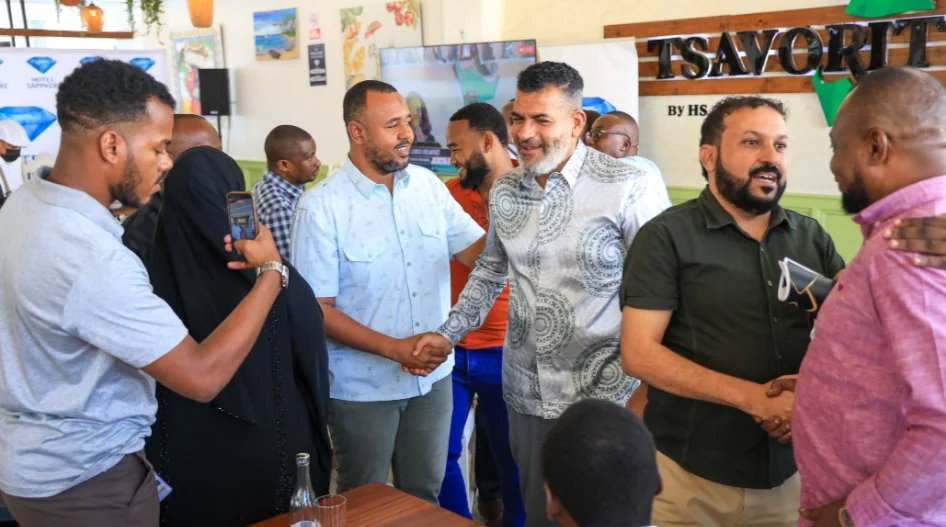
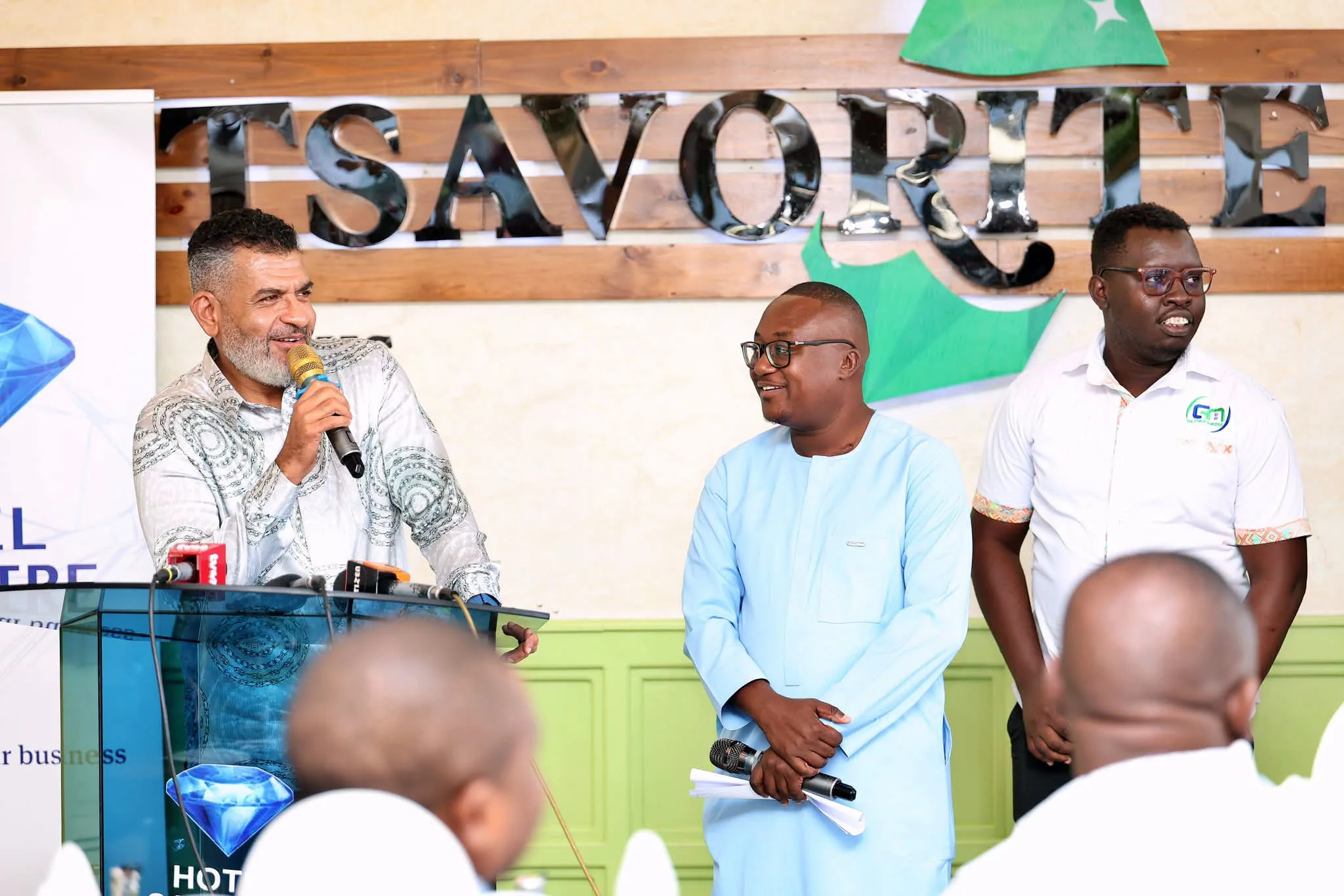
Speaking in Mombasa, the county's Chief Officer for Environment and Solid Waste Management, Hamid Shehan, said low levels of waste segregation remain one of the biggest obstacles to effective recycling despite ongoing awareness campaigns.
He said many residents still regard separating waste as an unnecessary inconvenience, making it difficult to recover recyclable materials and increasing the amount of waste ending up in dumpsites and the ocean.
“The pilot project will involve 1,000 households and is expected to provide practical lessons that could guide wider implementation across the county if successful,” Shehan said
He warned that plastic waste discarded carelessly eventually finds its way into the sea, where it threatens marine life before entering the human food chain through contaminated seafood.
"We want residents to understand that proper waste segregation is not only about keeping the environment clean but also about protecting public health and supporting livelihoods," he said.
Kepro Board Director Elidy Wangeci said the organisation had spent the past week engaging manufacturers, waste pickers and members of the public on their responsibilities under Kenya's Extended Producer Responsibility (EPR) regulations.
She said around 40 manufacturers had participated in the sensitisation sessions organised with support from the National Environment Management Authority (NEMA) and Mombasa County officials.
According to Wangeci, Kenya must move away from the traditional practice of producing, using and discarding materials and instead embrace a circular economy where products and materials remain in use for as long as possible through reuse and recycling.
She noted that many households still fail to separate organic and recyclable waste, reducing the value of materials collected by waste pickers and limiting recycling opportunities.
"Waste should no longer be viewed as something to throw away. It is a resource that can generate income, create jobs and contribute to environmental conservation when managed properly," Wangeci said.
She also welcomed the implementation of the Sustainable Waste Management Act and the Extended Producer Responsibility regulations, saying they clearly define the obligations of producers in managing waste generated from their products after consumption.
Community groups involved in waste collection said the collaboration has already strengthened their work while creating employment opportunities.
Said Hamad, representing Earth Plus Community-Based Organisation, said training provided through the programme had improved the capacity of waste collectors in waste separation, safe handling and environmental conservation.
He said improved recycling had enabled many waste pickers to earn regular incomes, educate their children and support their families while contributing to cleaner neighbourhoods.
Penina, representing Midela's Material Recovery Facility, said stronger cooperation between recyclers, waste pickers and the county government had expanded employment opportunities, particularly for young people, while improving cleanliness in different parts of Mombasa.
The stakeholders urged residents to embrace waste segregation at the household level, saying greater public participation will be critical in increasing recycling rates, reducing pollution and supporting Kenya's transition towards a more sustainable circular economy.




























Comments
Sign in with Google to comment, reply, and like comments.
Continue with Google