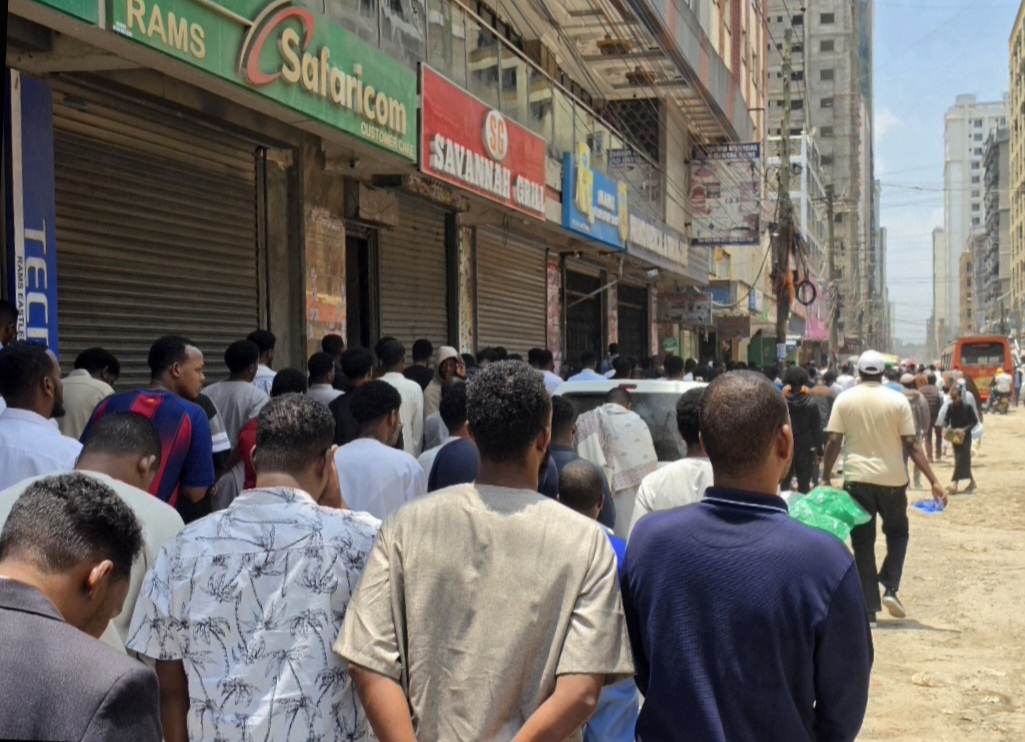
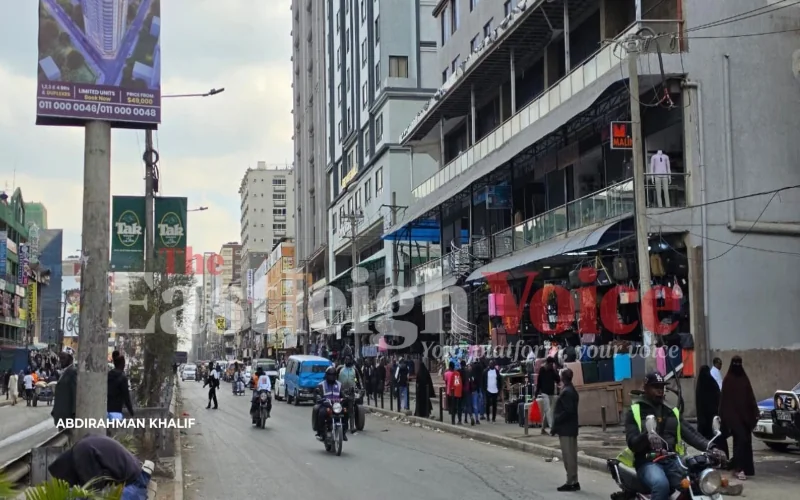
Muslims in Eastleigh came together in large numbers to observe the last Friday of the holy month of Ramadan.
By 11 am, mosques including Masjida Sahaba, Masjid Abubakar, and Masjid Sunnah were already full, and some worshippers had to perform their prayers on the streets and pavements. Despite the sun, they continued with their prayers, showing commitment to the final Friday of fasting.
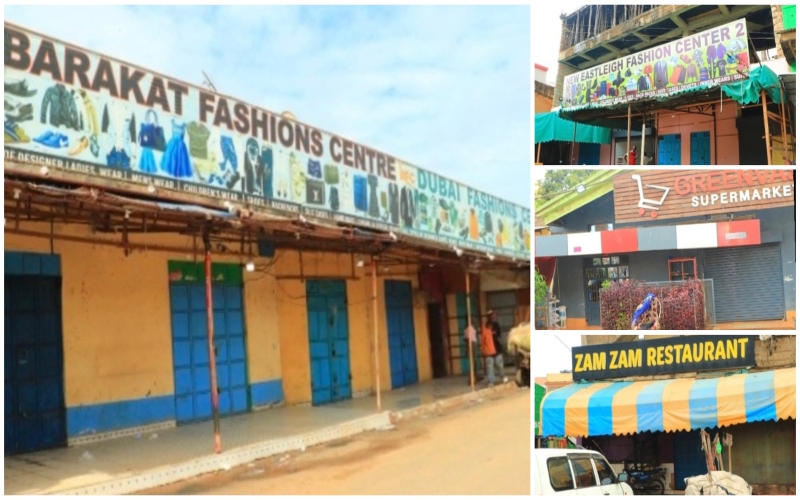
Vendors took the opportunity to sell temporary prayer mats to worshippers who had forgotten to bring their own. The increase in demand provided a source of income for these small businesses, while most other shops in the area remained closed as people focused on prayers.
The sermons in most mosques focused on important aspects of Ramadan, including seeking the Night of Power, known as Lailatul Qadr, the benefits of giving Zakkah, and the spiritual goals of fasting.
Worshippers were reminded that fasting is not only about refraining from food and drink, but also about avoiding harmful behaviour such as backbiting, stealing, and other actions that go against Islamic teachings.
At Jamia Mosque, the largest mosque in Nairobi, Sheikh Jamaludin delivered the sermon alongside Professor Abdullatif Essagee. They spoke about the purpose of fasting and asked whether Muslims had achieved the goals of Ramadan since it began.
Professor Abdullatif told the congregation, “Allah loves those who are righteous, and those who seek His guidance sincerely.”
He urged Muslims to live righteously, act with sincerity, and worship Allah as if they could see Him.
Sheikh Jamaludin also spoke about Zakkah, explaining that it comes in two forms. Zakat al-Mal is an annual contribution of 2.5 per cent of wealth above a set minimum threshold, known as nisab. Zakat al-Fitr is a smaller donation of food or money given before the Eid prayer to purify the fast and help those in need take part in the celebrations.
In Kenya, Muslims began fasting on February 18, and today marks the last Friday of fasting for the month.
Ramadan is the ninth month of the Islamic calendar and is considered one of the most sacred times for Muslims. It is the month in which the Holy Qur’an was revealed, providing guidance and direction for believers.
During Ramadan, Muslims fast from dawn to sunset, abstaining from food and drink. Fasting is seen as a private act of worship, a form of spiritual discipline, and a way to empathise with the less fortunate. The fast is broken each evening with a prayer and a meal called iftar.
In addition to the five daily prayers, many Muslims perform Tarawih and Tahajud prayers at night. These extra prayers are observed in mosques and homes, allowing worshippers to spend more time in devotion and reflection during the holy month.







































Comments
Sign in with Google to comment, reply, and like comments.
Continue with Google