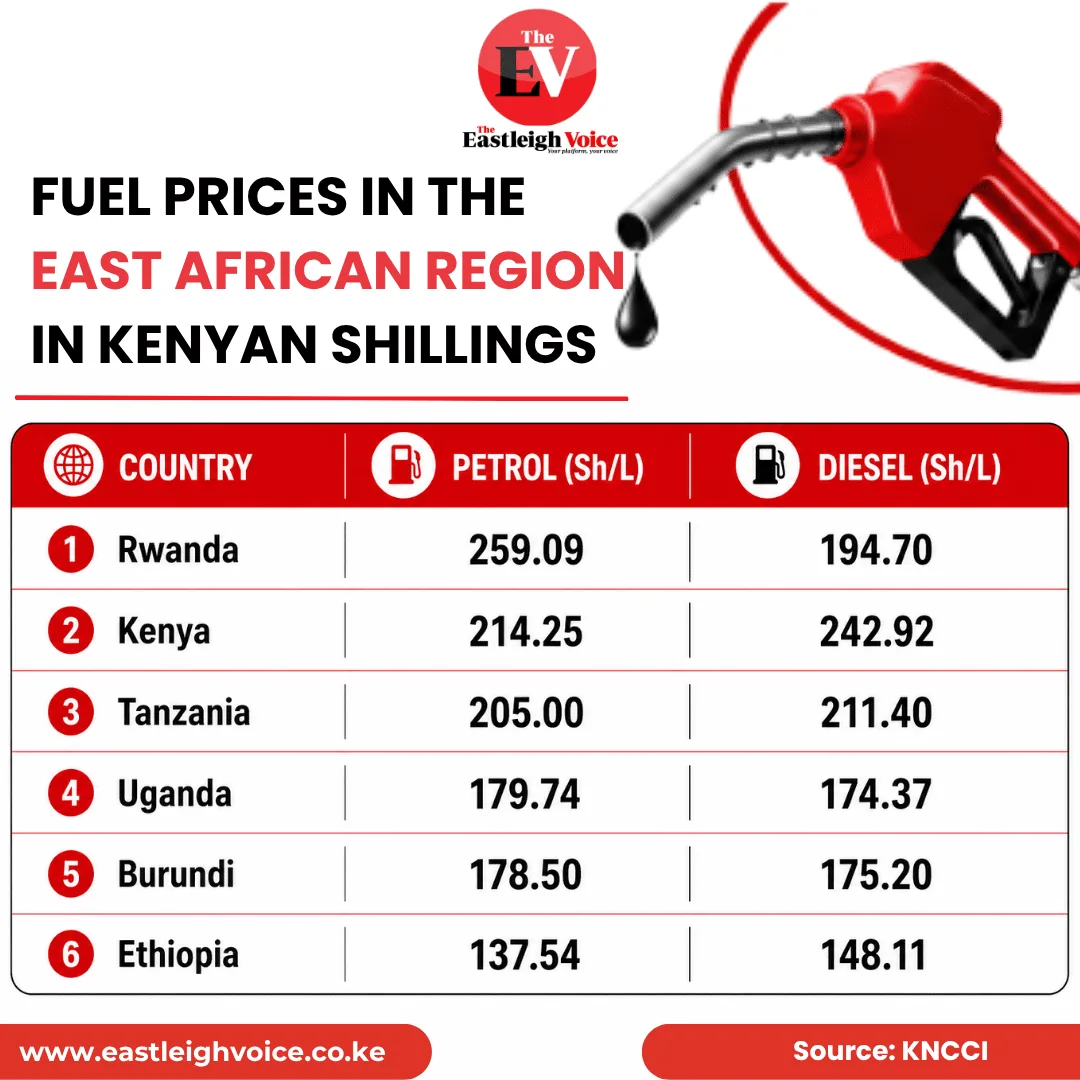
Ethiopia has quietly increased retail fuel prices for the second time in just over a month, and less than a week after federal authorities assured the public that white diesel supply had stabilised to the level before the launch of the US-Israel war on Iran on February 28.
In a letter that was not made public but was distributed to fuel stations across the country, the Ministry of Trade and Regional Integration announced on May 4 a new price increase taking immediate effect, raising costs across all petroleum products.
Under the revised rates, benzene is set at 167.50 birr per litre, light diesel at 180.46 birr, kerosene at 320.66 birr, light black diesel at 170.62 birr, heavy black diesel at 167.37 birr, and jet fuel at 319.76 birr per litre.
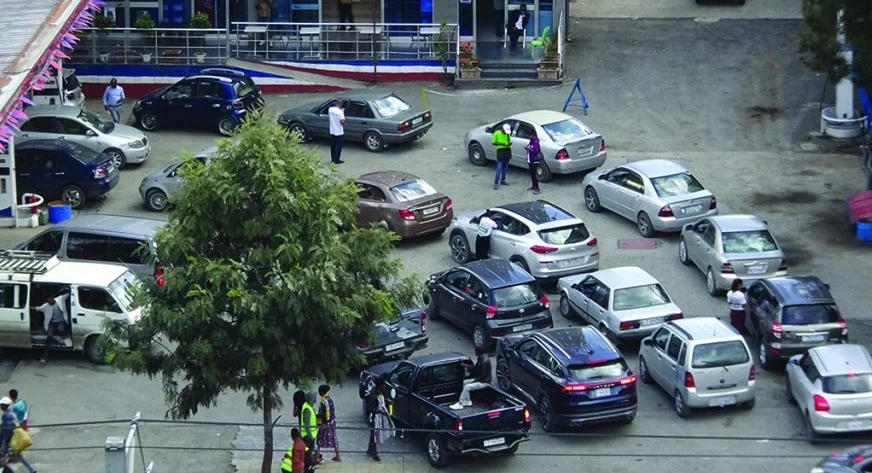
The new tariff follows remarks by Finance Minister Ahmed Shide on April 29, who said the government had restored diesel supply from 4.5 million litres to nine million litres per day, raising expectations that shortages and price pressures would ease. Instead, the latest move has driven prices sharply higher, shifting focus from availability to affordability.
Compared to April 1, prices increased; petrol rose by 17.6 per cent from 142.41 birr, while white diesel increased by 10.7 per cent from 163.09 birr per litre. Kerosene and jet fuel recorded the steepest hikes, more than doubling from around 151 birr and 150 birr, respectively, marking one of the sharpest increases in recent fuel pricing.
The ripple effects are already visible in urban transport costs. In March, the Addis Ababa City Administration Transport Bureau raised public transport tariffs following earlier fuel price increases.
While base fares for short trips remained unchanged, longer-distance fares for minibuses, midibuses, and city buses were adjusted upward, with maximum city bus fares reaching 70 birr, reflecting how fuel price shifts are quickly passed on to commuters.
The latest revision builds on successive increases since March, when petrol stood at 132.18 birr and diesel at 139.84 birr per litre. Cumulative hikes have since pushed prices up by roughly 27% for petrol and 29 per cent for diesel, reflecting sustained upward adjustments.
Officials have linked the increases to rising global oil prices, supply disruptions, and efforts to reduce the gap between domestic pump prices and import costs, which is further exacerbated by illegal fuel trade.
Ethiopia remains heavily reliant on imported fuel and has faced recent supply chain disruptions, including delays tied to Gulf shipping routes and reduced inflows from Kuwait. Temporary arrangements with global suppliers have helped stabilise availability, but at a higher cost.
Despite the increases, the government said it continues to subsidise fuel, with Prime Minister Abiy Ahmed recently indicating a subsidy burden nearing 20 billion birr per month.
However, the repeated adjustments show mounting fiscal pressure and a policy shift toward gradually aligning domestic prices with international markets.
The price hikes are expected to intensify pressure on transport costs, logistics, and consumer goods. Diesel, a key input for freight and public transport, has a cascading effect on the price of basic commodities, while the sharp rise in kerosene is likely to hit low-income households particularly hard.





































Comments
Sign in with Google to comment, reply, and like comments.
Continue with Google