IGAD urges stronger refugee protection as millions displaced amid shrinking aid
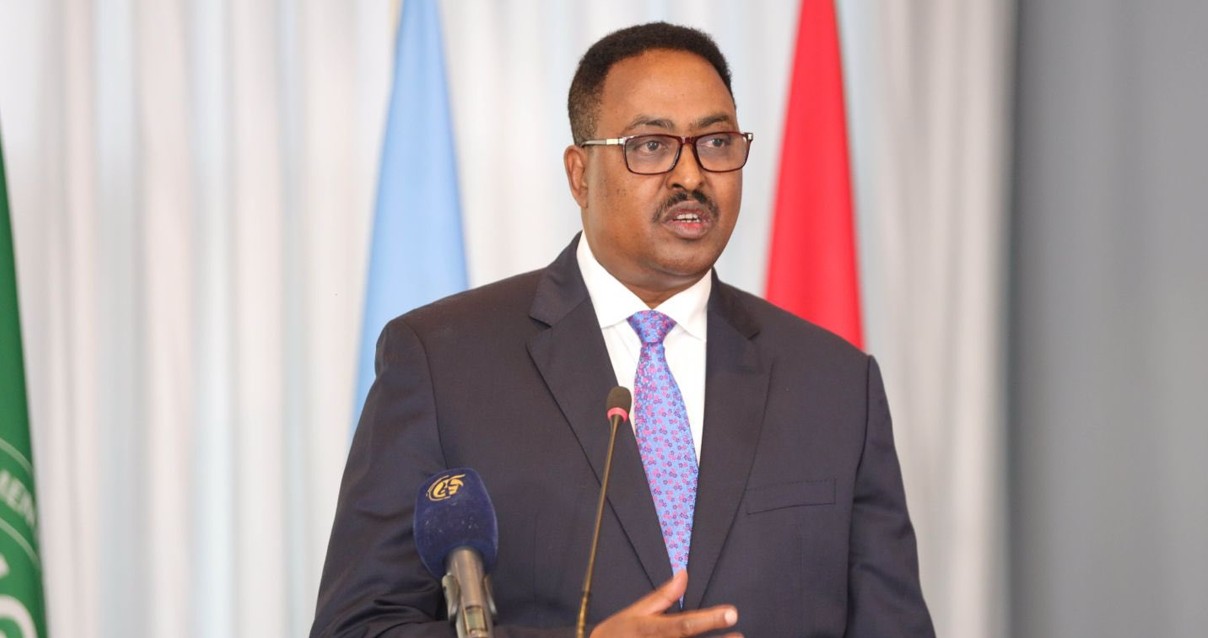
IGAD Executive Secretary Dr Workneh Gebeyehu said the right to seek safety must be upheld as a shared responsibility, stressing that displacement is a reality that could affect anyone.
The Intergovernmental Authority on Development (IGAD) has called for renewed commitment to refugee protection and support, warning that shrinking humanitarian funding is undermining services for millions of displaced people across the region despite record levels of global displacement.
In a statement marking World Refugee Day 2026, IGAD Executive Secretary Dr Workneh Gebeyehu said the right to seek safety must be upheld as a shared responsibility, stressing that displacement is a reality that could affect anyone.
“The right to seek safety is not a privilege, it is a shared human safeguard that protects us all,” he said, adding that it reflects “a simple truth: at any moment, anyone may need refuge.”
More To Read
- Somalia condemns Somaliland officials’ Jerusalem visit, calls it illegal under international law
- IGAD condemns Somaliland Jerusalem embassy, stresses respect for Somalia’s sovereignty
- Ethiopia defends election conduct, cites record turnout and positive African observers' reports
- AU, IGAD observers urge inclusive political dialogue, stronger democratic institutions after Ethiopia's election
- Calm returns to Mogadishu after overnight clashes as international pressure pushes for dialogue
- IGAD, Western missions call for calm in Somalia after overnight violence in Mogadishu
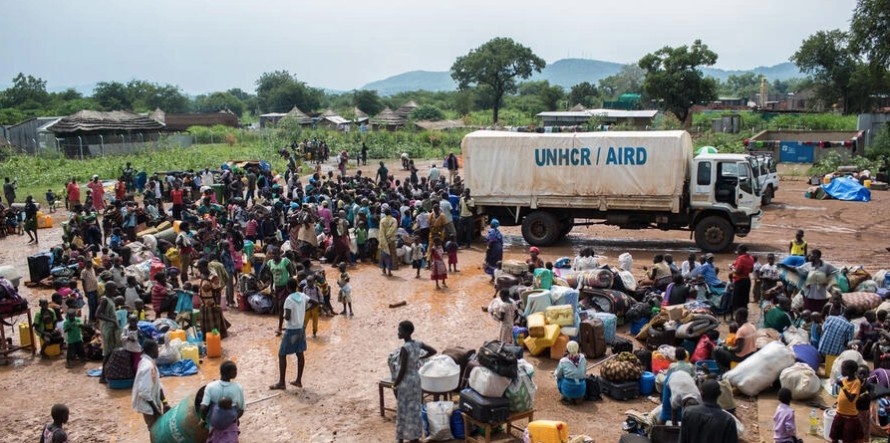
IGAD noted that the Horn of Africa continues to shoulder a significant share of the global displacement burden, hosting more than 5.5 million refugees and asylum seekers as of June 2026, alongside millions more internally displaced persons. The region is part of a global crisis affecting an estimated 118 million forcibly displaced people worldwide.
Dr Workneh added that many refugees are living in long-term exile, calling for stronger international cooperation to address what has become a prolonged humanitarian challenge.
“The IGAD region continues to carry a significant share of the global displacement burden. Our Member States have consistently demonstrated leadership in this regard, keeping borders open even under significant pressure, allowing people fleeing conflict and crisis to cross borders, access territory, and seek protection and lifesaving services,” he added.
Latest Stories
- Government intensifies fight against sickle cell disease as 14,000 children are born with the condition annually
- From airports to supermarkets: How digital identity is quietly reshaping daily life
- Canadian firm delivers first of two Twin Otter Classic 300-G aircraft to Ethiopian Airlines
- Kenya to host global military AI summit in April 2027, Africa’s first
The statement highlighted regional frameworks such as the Nairobi, Kampala, Djibouti and Mombasa Declarations, alongside the IGAD Policy Framework on Refugee Protection, as key pillars supporting asylum, education, healthcare and livelihoods for refugees and host communities.
However, IGAD warned that declining humanitarian funding is forcing reductions in food, shelter, health and education services, urging predictable, long-term financing and fairer global responsibility-sharing.
“The answer is not resignation but reform: predictable, multi-year financing; genuine international responsibility-sharing in the spirit of the Global Compact on Refugees; and a decisive shift from open-ended humanitarian dependency towards development-anchored solutions that include refugees in national systems and host communities in national planning. Those who host the most must no longer be asked to do so with the least,” Dr Gebeyehu said.
IGAD also called for stronger inclusion of refugees in national systems and greater private sector involvement in creating jobs and investment opportunities in displacement-affected areas.
The statement comes as the world marks 75 years since the 1951 Refugee Convention, reaffirming the global commitment to protect people forced to flee their homes.
Top Stories Today








































Comments
Sign in with Google to comment, reply, and like comments.
Continue with Google