Kenya faces an 84.1 per cent probability of electoral violence during the 2027 General Election, according to a risk assessment by the Kofi Annan Foundation, which warns that economic grievances, youth-led protests and political uncertainty could heighten tensions ahead of the polls.
The analysis dubbed “Electoral Vulnerability Index 2026-2027” says that although Kenya has strengthened its electoral institutions, national elections continue to be vulnerable to violence driven by close presidential contests, ethnic mobilisation, land disputes, youth unemployment and mistrust in the electoral process.
It further notes that national elections have repeatedly generated violence, especially where close presidential contests interact with ethnic mobilisation, land grievances, youth unemployment, and mistrust in electoral administration.
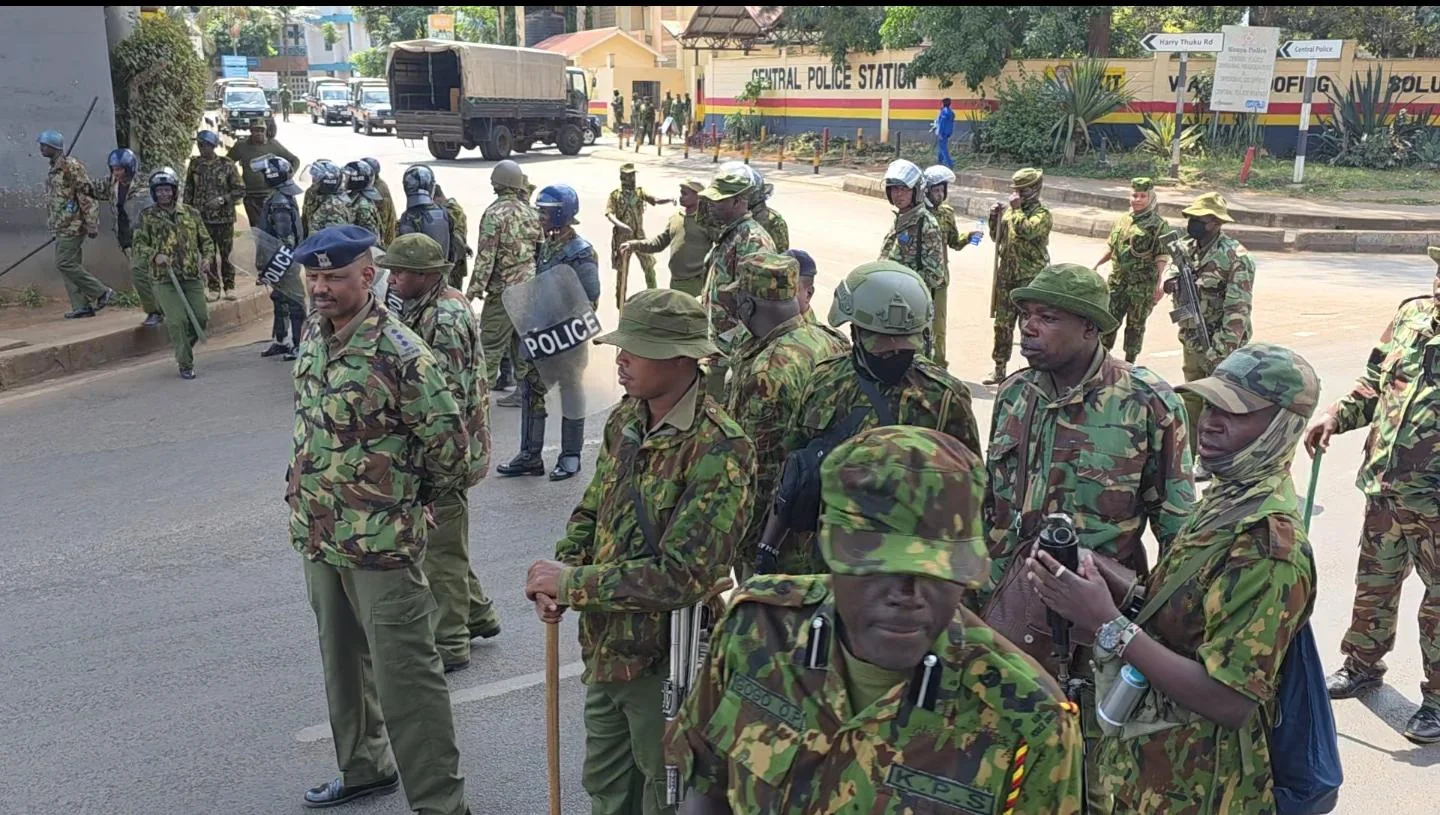
The political environment since 2022 has been marked by economic hardship, tax protests, opposition mobilisation, debates over the cost of living, and public anger over corruption and police conduct.
“Youth-led protests and civic activism have shown that grievances can mobilise beyond traditional party structures and as such, the 2027 cycle may therefore combine conventional presidential competition with broader accountability demands,” the report says.
As such, election-related violence may occur not only in historically sensitive counties but also in urban centres where cost-of-living grievances and police-community tensions are high.
The report thus advises that security planning takes account of both traditional hotspots and new forms of mobilisation, as urban protests, youth activism, and digital campaigns may reshape risk geography.
“Election-security planning should be transparent, rights-based and locally informed. Police should receive clear guidance on crowd management, proportionality and neutrality,” the report recommends.
Though the 2007-2008 post-election violence was the bloodiest, the foundation says subsequent cycles have also involved deaths, police violence, localised clashes, and intense litigation.
It says the 2022 election was more contained by the Supreme Court, playing a key role in resolving disputes after opposition leader Raila Odinga challenged William Ruto's victory.
“The acceptance of the Court's ruling helped prevent wider escalation, but it did not eliminate underlying distrust. Odinga's death in October 2025 has since changed the opposition landscape and added uncertainty around succession, alliance management and the mobilisation of his political networks,” the report explains.
The death of Odinga, it adds, may have a double effect on the risks of violence.
“Coalition-building before 2027 may also affect violence risk. Kenyan elections often produce elite pacts that reduce or redirect ethnic polarisation, but failed negotiations can leave communities feeling excluded. The transition of opposition leadership after Odinga makes this phase particularly sensitive, because inherited political loyalties, youth mobilisation, and county-level patronage networks may not move in a single direction,” the foundation says.
It further warned that the language used by coalition leaders during alliance formation should therefore be monitored alongside formal campaign messaging.
The analysis also urges the Independent Electoral and Boundaries Commission (IEBC) to play its mandate as required by law to earn trust ahead of the critical poll.
“Key issues include commissioner appointments, voter registration, procurement of electoral technology, transparency of result transmission, staffing, dispute resolution and communication. Kenya's recent electoral history shows that technology can build confidence when it works transparently, but it can also become a focal point of suspicion if procurement, testing or transmission is unclear,” the foundation adds.










































Comments
Sign in with Google to comment, reply, and like comments.
Continue with Google