The Central Bank of Kenya (CBK) and the Capital Markets Authority (CMA) have urged Parliament to amend the Microfinance Bill, 2026 and the East African Development Bank Amendment Bill, warning that the proposed laws contain gaps that could weaken oversight and expose investors to unnecessary risks.
Appearing before the National Assembly’s Finance and National Planning Committee, the regulators said they supported the proposed legislation but raised concerns over areas they believe require changes to strengthen regulation and protect investors.
CBK Governor Kamau Thugge told the Committee that the microfinance sector had expanded rapidly since 2008 and currently has fourteen licensed microfinance banks with a combined asset base of Sh57 billion.
He said the Microfinance Bill, 2026 does not clearly provide the Central Bank with powers to regulate, supervise and enforce compliance with anti-money laundering and terrorism financing requirements.
“CBK has reviewed the Microfinance Bill, 2026, and is supportive of the Bill. Nonetheless, there are two areas we wish to highlight for the Committee’s attention. The Bill does not contain provisions on powers of the Central Bank to regulate, supervise and enforce compliance for Anti-Money Laundering (AML) and terrorism financing,” Thugge said.
The Governor recommended that Sections 36B and 36C of the Micro Finance Act 2006 be moved into the new Bill word for word to address the gap.
He also proposed that non-deposit-taking credit providers be removed from the proposed law, arguing that their supervision should remain under the Central Bank of Kenya Act to prevent confusion in regulation.
Kitui Rural MP David Mboni supported the proposal, saying the Governor’s explanation was convincing, especially considering his background in finance.
The Committee also raised concerns over Article 45 of the East African Development Bank Amendment Bill, which provides the bank with broad immunity over its assets.
CMA’s Acting Director warned that the immunity provision could create challenges if it is interpreted to cover funds raised through bonds or public investments.
The Authority said investors who put their money in the bank could face difficulties in seeking remedies in case of a default or dispute if the provision is not clearly defined.
To address the concern, CMA proposed that the Bill include a specific exemption to ensure the immunity granted to the bank does not limit investors’ rights or legal remedies.
The Authority also called on legislators to use the Bill as an opportunity to strengthen regional capital markets through financial products such as regional bond insurance, sustainability-linked bonds and infrastructure bonds.
The State Department for East African Community Affairs supported both Bills, with its representative saying the department participated in drafting the proposals and had no pending concerns.
The Competition Authority of Kenya also backed the proposed changes to the Competition Act, with Director General David Kibet presenting the Authority’s position before the Committee.
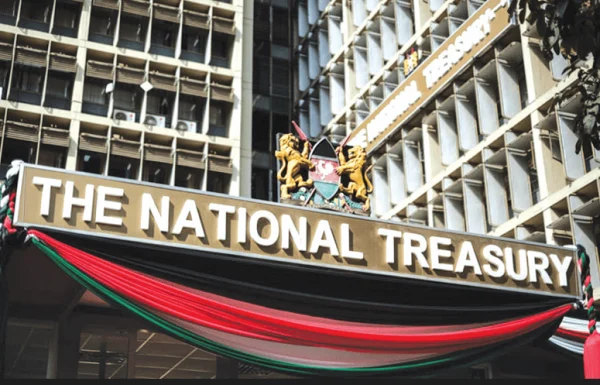
However, some Members questioned why the Competition Authority appeared before the Committee instead of the National Treasury, saying the Treasury should explain the Bills because of its direct involvement.
Kesses MP CPA Julius Rutto proposed that the Committee formally invite Treasury officials to present a full submission on the proposed laws.
The Office of the Attorney General also supported the amendments and said it had no further recommendations to make.
CBK is expected to appear before the Committee again in August after the next Monetary Policy Committee meeting to further align the proposed reforms with the country’s wider economic goals.
















































Comments
Sign in with Google to comment, reply, and like comments.
Continue with Google