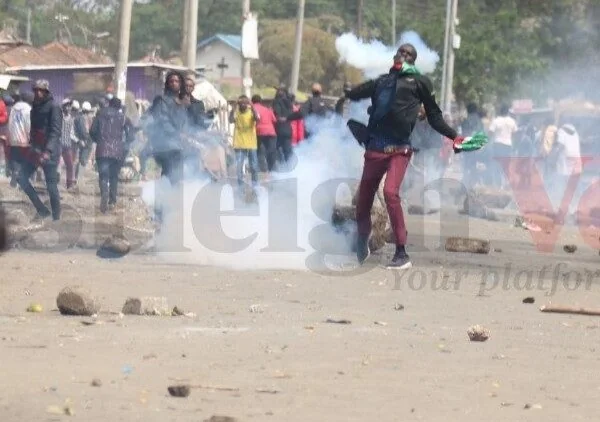
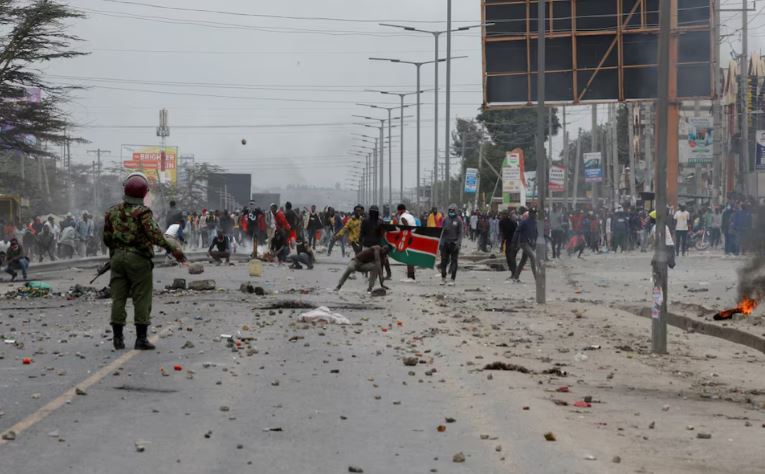
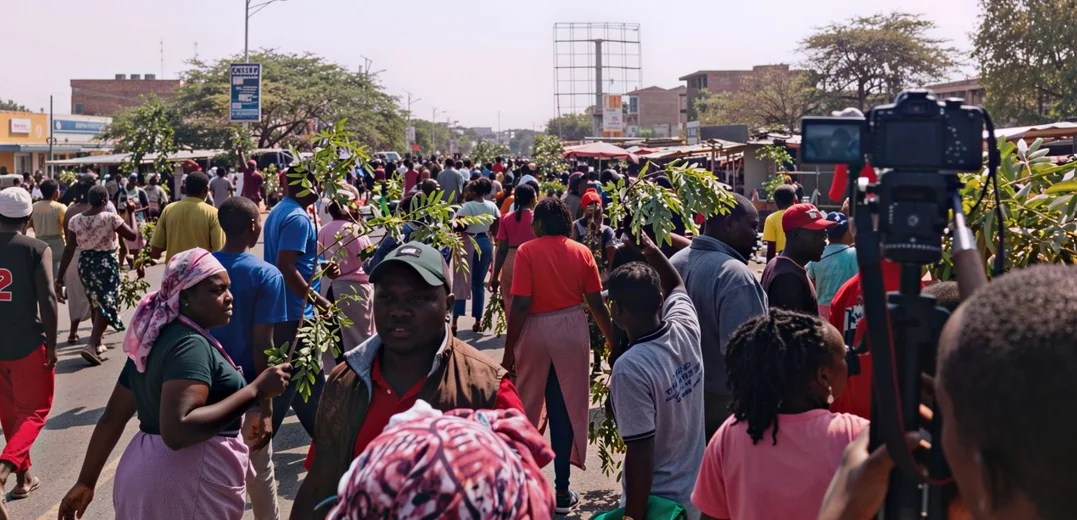
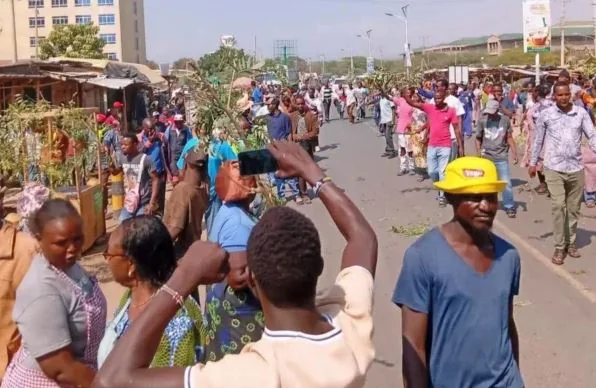
Kenya could soon adopt a new framework governing public demonstrations, with a proposed law seeking to require authorities to treat peaceful protests as lawful while introducing new obligations for police officers and other public authorities involved in managing public gatherings.
The proposed Facilitation of Assembly, Picketing and Demonstration Bill, 2026 sets out a framework for the exercise of the constitutional right to assemble, demonstrate, picket and present petitions, while outlining the responsibilities of organisers, participants, police officers and other public authorities during such activities.
The Bill was developed by the Kenya National Commission on Human Rights (KNCHR), in collaboration with the Office of the Attorney General, the Independent Policing Oversight Authority (IPOA), the Law Society of Kenya (LSK) and other stakeholders. It follows a High Court directive on March 19 requiring the government to develop clear legal and operational regulations governing public assemblies, demonstrations, picketing and the use of force by law enforcement officers.
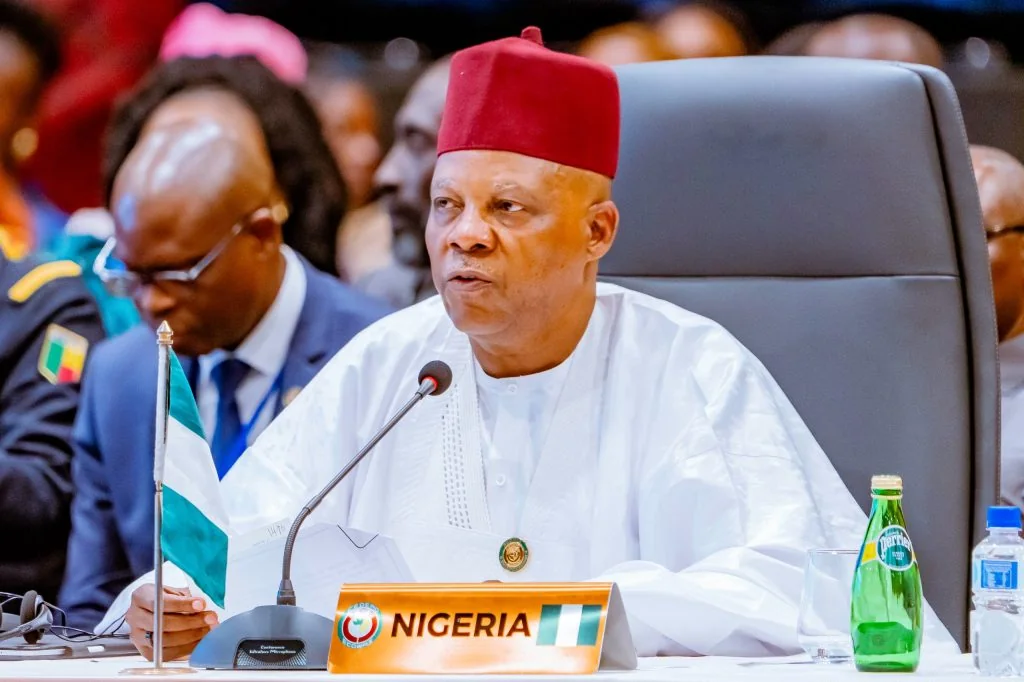
“The proposal seeks to give full legislative effect to Article 37 of the Constitution by establishing a clear, rights-based framework for the exercise and facilitation of the rights to assemble, demonstrate, picket, and present petitions peacefully and unarmed,” KNCHR Chairperson Claris Ogangah said in a statement on Tuesday.
Under the proposed framework, assemblies, pickets and demonstrations shall be presumed to be lawful, while participants shall be presumed to be peaceable and unarmed. Similarly, a participant who commits an offence during an assembly shall be presumed to have acted individually, and that unlawful acts by individual participants shall not, by themselves, make the purpose of the assembly unlawful.
The proposed law also provides that a peaceable and unarmed participant shall not be arrested, detained, dispersed or searched unless such action is carried out in accordance with the Constitution and relevant written law.
Additionally, police officers and other public authorities deployed to manage assemblies would be required to maintain public order and safety, protect life and the rights and freedoms of demonstrators and prioritise dialogue and de-escalation when responding to participants.
The Bill further requires officers to take targeted action against persons engaging in criminal conduct and to protect journalists, healthcare workers, monitors, observers and vulnerable persons during assemblies, pickets and demonstrations.
On notification requirements, the proposed law states that organisers of assemblies, pickets or demonstrations shall notify the regulating officer of their intention to hold an event. However, the notification would not be treated as a request for permission or authorisation to hold the assembly. The notification would include details such as the date, time and venue of the intended assembly, with the Bill providing that notices should be submitted within a period of at least three days and not more than fourteen days before the planned event.
The proposed law also allows regulating officers to impose reasonable conditions on assemblies, pickets or demonstrations in exceptional circumstances, including where there are concerns relating to public safety, public order, national security, protection of life, public health, traffic management, emergency routes, critical infrastructure or the rights and freedoms of others.
Where restrictions are imposed, the Bill requires the reasons to be provided in writing, including the specific risk or concern, the factual basis for the conditions, less restrictive measures considered and the duration of the conditions.
The Bill also provides that demonstrations may only be prohibited where there is a credible, specific and imminent risk of death, serious violence, serious injury or extensive destruction of property and where such risks cannot be addressed through less restrictive measures. It further states that a prohibition should not be based on criticism of the government, the unpopularity of a message, inconvenience, generalised fear or speculative risk.
The proposed framework also introduces requirements for officers deployed during demonstrations. Police officers and other public officials deployed to manage assemblies would be required to display visible identification, while police deployment plans would identify the commander, units deployed, authorised equipment, liaison officers and reporting arrangements.
“Where officers of other public authorities are deployed alongside police officers in relation to an assembly, picket or demonstration, they shall be required to be in the uniforms of their respective authorities and display visible identification,” the Bill reads in part.
“Any police vehicle, or any vehicle belonging to another public authority, deployed to manage an assembly, picket or demonstration shall display its registration number and identifying marks.”
The Bill also allows institutions including KNCHR, IPOA, the National Gender and Equality Commission, the Commission on Administrative Justice and the National Cohesion and Integration Commission to designate monitors or observers to monitor and observe assemblies, pickets and demonstrations and prepare reports.
“The Legislative Proposal will undergo comprehensive public participation before being submitted to Parliament. The KNCHR calls on the public and other stakeholders to share their input/feedback on the proposed legislation," Ogangah said.





































Comments
Sign in with Google to comment, reply, and like comments.
Continue with Google