Lancet study shows planned term delivery can cut pre‑eclampsia risk by 30 per cent
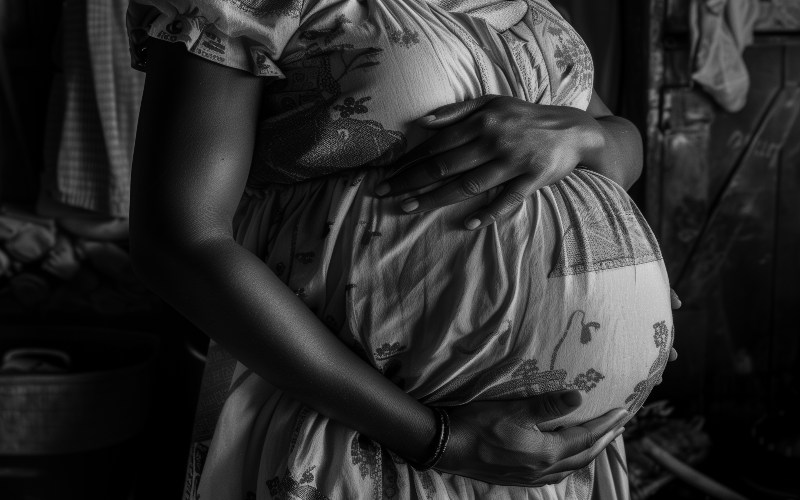
A Lancet trial in two UK hospitals found that screening women at 36 weeks and offering early-term delivery to those at high risk cut term pre-eclampsia by about 30%, without added serious complications.
A new Lancet report shows that planning delivery at term can reduce the risk of pre-eclampsia, a serious pregnancy complication that typically arises after 20 weeks.
The complication is marked by high blood pressure and signs of organ strain, such as kidney or liver dysfunction. It can worsen rapidly, leading to seizures, organ failure, stroke, stillbirth, or even the death of the mother if not treated promptly.
More To Read
- Maternal and newborn health in crisis as millions born in conflict zones, Save the Children warns
- WHO calls for ceasefire after deadly attacks on civilians in Sudan kill 114, including 63 children
- Kenya and world face growing health threat as ultra-processed foods flood markets and diets
- WHO calls for urgent action to achieve universal health coverage by 2030
- Somalia on high alert as Marburg virus outbreak hits neighbouring Ethiopia
- Tana River Senator seeks Senate health probe after pregnant woman dies from snakebite
It affects about 3 per cent of pregnancies globally and is a major contributor to illness and death among mothers and babies. Most cases occur at term, making prevention strategies late in pregnancy especially valuable.
First-time mothers in the study showed that scheduling delivery between 39+0 and 39+4 weeks reduced the likelihood of progressing to gestational hypertension or pre-eclampsia.
Those women also experienced fewer caesarean births than those who continued with usual care. These findings hinted that modifying the timing of birth might be a practical way to prevent pre-eclampsia at term
A randomised controlled study conducted at two UK maternity hospitals examined whether screening women at 36 weeks and offering early-term birth to those at elevated risk could actually reduce the number of pre-eclampsia cases.
Eligible participants were 16 years or older, carrying a single fetus without major anomalies, and free from pre-eclampsia at enrolment. After providing informed consent, women were randomly assigned to either the intervention group or the usual-care control group.
Scheduling birth refers to planning the timing of a baby’s arrival in advance rather than waiting for labour to begin naturally.
Clinically, this can take the form of inducing labour on a set date or arranging a planned caesarean section. It is not about delivering a baby prematurely; instead, it involves choosing a safe time for birth within the term period, usually between 37 and 41 weeks of pregnancy. The decision to schedule a birth is made when continuing the pregnancy could pose more risk than delivering the baby.
In the intervention group, each woman’s risk of developing pre-eclampsia was calculated using the Fetal Medicine Foundation (FMF) competing-risks model, which draws on maternal characteristics, mean arterial pressure, placental biomarkers, and other data. Women whose risk was 1 in 50 or higher were offered a planned early-term delivery.
The control group proceeded with standard care, with no change to the usual timing of birth.
More than 11,000 women were screened, and over 8,000 ultimately participated in the trial, an unusually high participation rate that suggests strong acceptability of the intervention. The final analysis showed that pre-eclampsia occurred in 3.9 per cent of births in the intervention group compared with 5.6 per cent in the usual-care group. This represents a roughly 30 per cent reduction in relative risk.
Crucially, this decrease was achieved without any rise in emergency caesarean deliveries, postpartum pre-eclampsia, or admissions to the neonatal unit. Serious adverse events were rare and similar between groups.
These results are significant because they offer the first robust evidence that personalising care at 36 weeks, by identifying women at high risk of developing term pre-eclampsia and offering timely, planned delivery, can meaningfully reduce the disease’s occurrence.
Earlier screening strategies, such as risk assessment at 11–13 weeks followed by aspirin therapy, have been effective mainly for preventing preterm pre-eclampsia. Until now, there had been no proven intervention capable of reducing term pre-eclampsia, even though most cases arise at this stage.
Other Topics To Read
Globally, pre-eclampsia affects about three to eight per cent of pregnancies and is responsible for tens of thousands of maternal deaths and more than half a million infant deaths each year.
It contributes to approximately 46,000 maternal deaths and about 500,000 infant deaths every year, according to the World Health Organisation (WHO).
In Kenya, studies suggest that roughly five to seven per cent of pregnant women develop the condition.
Top Stories Today