The Ministry of Health (MoH) has identified 22 counties as high‑risk areas for Ebola as authorities intensify surveillance and preparedness measures following outbreaks in neighbouring Uganda and the Democratic Republic of the Congo (DRC), even as seven people tested negative for the virus after undergoing isolation and screening.
In a statement issued on Thursday, Health Cabinet Secretary Aden Duale assured Kenyans that the country has not recorded any confirmed Ebola case despite heightened monitoring at border points and health facilities.
“I wish to reassure all Kenyans that, as of May 21, 2026, Kenya has not reported any confirmed case of Ebola virus,” Duale said.
MoH said seven individuals, three travellers from the DRC who sought treatment at local health facilities for unrelated illnesses, and four people who accompanied them, were isolated, assessed, and tested for Ebola. All results returned negative.
“Through enhanced surveillance systems, three individuals with recent travel history from the DRC who presented to health facilities with unrelated illnesses were isolated, assessed, and tested for EVD, with all results returning negative. Four additional contacts who had accompanied them to the hospital were also tested and found negative,” the statement read.
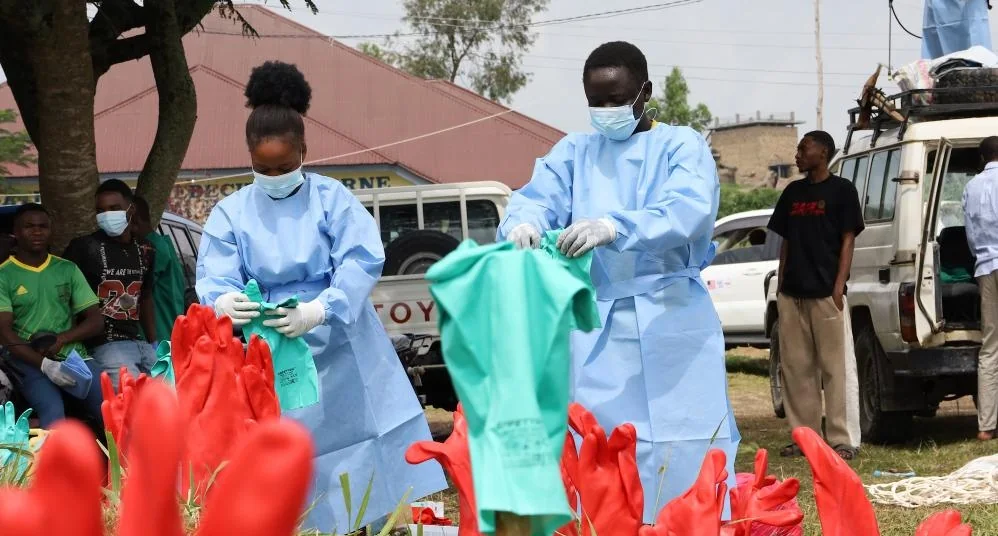
Kenya has since stepped up nationwide preparedness measures through the Kenya National Public Health Institute (KNPHI), including the activation of emergency operations centres and rapid response teams across high‑risk areas.
Authorities have also intensified screening at airports and land border crossings, with a cumulative 42,447 travellers screened as of May 21, including 2,965 within the last 24 hours alone.
The Ministry said four laboratories, the National Public Health Laboratory, KEMRI (Nairobi and Kisumu) and a mobile laboratory platform, have been designated for Ebola testing and emergency response.
In addition, more than 880 healthcare workers at national and county levels have undergone sensitisation training on Ebola preparedness and response, while isolation and treatment facilities have been equipped with protective gear and essential medical supplies.
“The government wishes to assure tourists, investors, international delegates, and business travellers that Kenya remains safe and open,” Duale said.
MoH urged members of the public to remain calm but vigilant, avoid spreading unverified information, and seek immediate medical attention if they experience symptoms linked to Ebola, particularly after travelling to affected regions.





































Comments
Sign in with Google to comment, reply, and like comments.
Continue with Google