The Kenya Medical Practitioners, Pharmacists, and Dentists Union (KMPDU) has raised concerns over Kenya's preparedness to respond to a potential Ebola outbreak, warning that critical gaps in the healthcare system could undermine efforts to contain and manage the disease should it cross into the country.
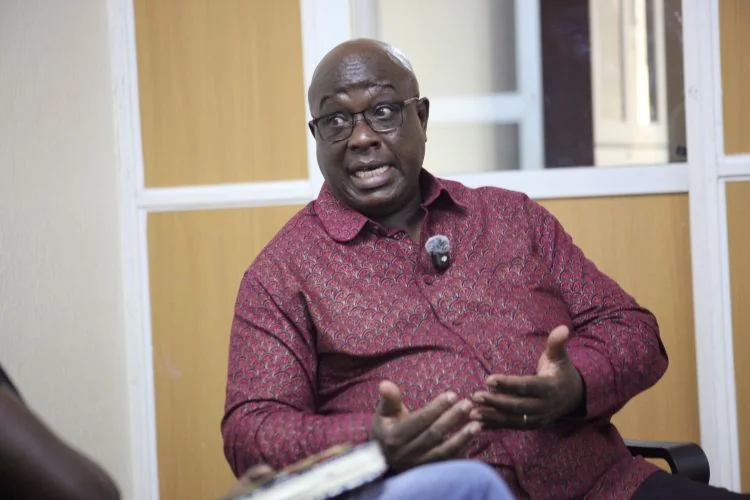
Speaking on Saturday, KMPDU Secretary General Davji Atellah said staffing levels within public health facilities remain inadequate to effectively respond to an Ebola emergency.
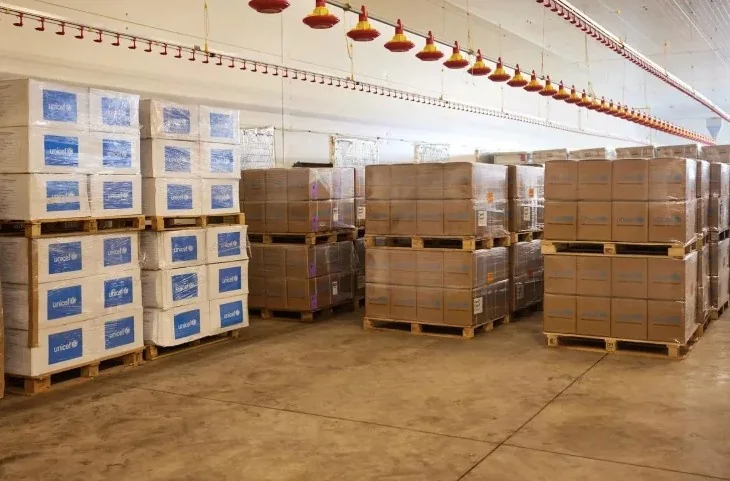
He noted that access to specialised personal protective equipment (PPE) is inconsistent, while critical shortages persist in intensive care unit (ICU) capacity across Kenya's 47 counties.
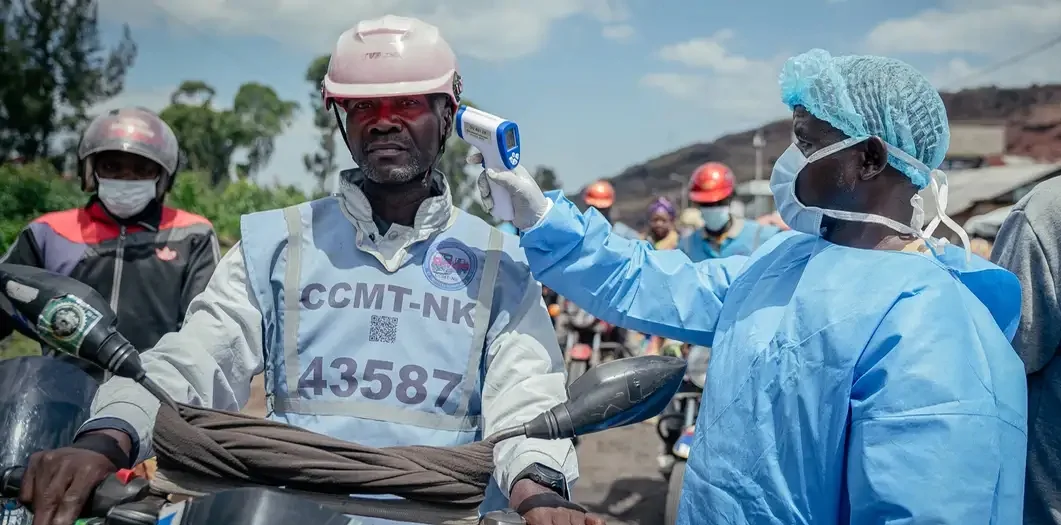
The union also highlighted weaknesses in cross-border disease surveillance, screening at major points of entry, and overall frontline workforce preparedness, warning that Kenya's porous borders increase the risk of rapid transmission in the event of an outbreak.
According to KMPDU, the government must urgently provide clear information on the country's emergency preparedness plans, including critical care capacity, emergency stockpiles, workforce readiness, and containment measures.
"We cannot risk a public health emergency without a functional and adequately equipped healthcare system. Frontline healthcare workers must be protected, and critical care infrastructure strengthened before a crisis occurs," Atellah said.
The concerns come amid heightened public debate over a proposal to establish an Ebola quarantine and treatment facility at Laikipia Air Base for American citizens exposed to the virus in Uganda and the Democratic Republic of Congo.
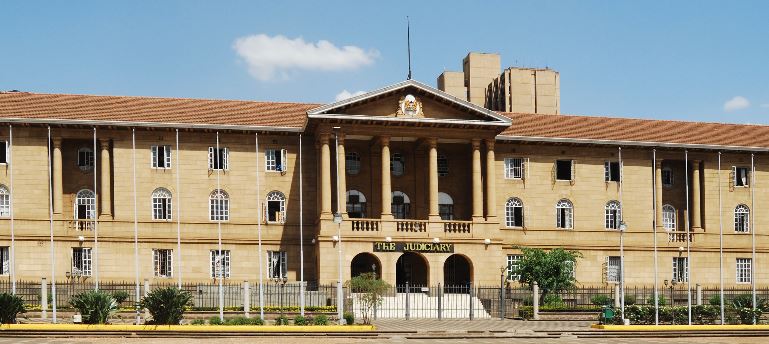
The proposal, which was recently suspended by the High Court following legal challenges, has generated widespread public concern, with critics questioning whether Kenya should be accepting additional public health risks while facing existing healthcare challenges.
While the government has maintained that the country is adequately prepared to handle any Ebola-related threat, health experts continue to question whether current systems are sufficient to detect, isolate, and treat cases on time.
KMPDU argues that lessons from previous public health emergencies demonstrate that preparedness, rather than the disease itself, often determines the scale of a crisis.
The union is now urging authorities to prioritise investments in healthcare infrastructure and frontline worker protection before any potential outbreak occurs.
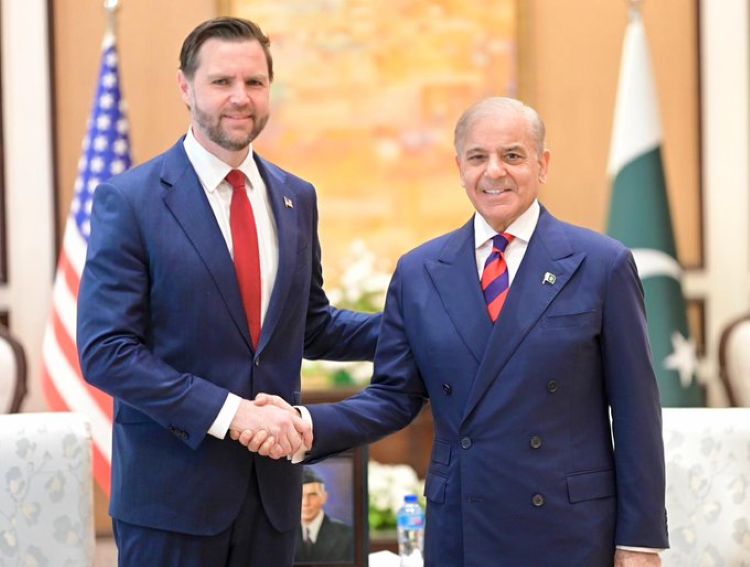
The controversy surrounding the proposed facility was further fueled by reports that the United States had committed approximately Sh1.75 billion ($13.5 million) to support Kenya's Ebola preparedness efforts under the arrangement.
The funds were intended to support the establishment and operation of the facility, which would have been staffed by American medical personnel and used to manage US citizens exposed to the virus in the region.
However, the project was halted pending the determination of a court case challenging its legality and potential public health implications.





























Comments
Sign in with Google to comment, reply, and like comments.
Continue with Google