A woman who bleeds heavily every month may think it is simply how her body works. She learns to carry extra sanitary pads wherever she goes, misses school or work during her periods, and pushes through constant exhaustion, believing it is just part of being a woman.
But what many women dismiss as “normal” could be an early warning sign of a serious health problem, one that may also increase the risk of dangerous bleeding during childbirth years later. According to the World Health Organisation (WHO), nearly one in two menstruating women surveyed in a 2023 study across 10 cities in South Asia and sub‑Saharan Africa experience heavy menstrual bleeding.
According to Professor Anne Beatrice Kihara, a professor at the University of Nairobi and the immediate past president of the International Federation of Gynaecologists and Obstetricians (FIGO), heavy menstrual bleeding should never be ignored.
It can signal underlying conditions such as fibroids, hormonal disorders, endometriosis, blood disorders, and, in some cases, cancers of the reproductive system. Left untreated, it often leads to anaemia, which significantly raises a woman’s risk of postpartum haemorrhage (PPH), the leading cause of maternal deaths worldwide.
“Many women normalise heavy bleeding because they have experienced it for years or because other women in their family have similar symptoms,” says Professor Kihara. “But every woman knows her own body. When your menstrual pattern changes, whether it is the amount of blood, the number of days you bleed, or the pain that accompanies it, that is your body sending a signal that something may be wrong.”
A girl’s menstrual journey usually begins between the ages of nine and 13. A normal menstrual period typically lasts about three days, with moderate blood loss of about 80 millilitres.
However, Professor Kihara says women should become concerned when bleeding becomes unusually heavy or prolonged. If a period stretches from three days to five, eight, or even two weeks, or if a woman is changing sanitary pads every hour because of excessive bleeding or passing large blood clots, it is time to seek medical attention.
“Some women naturally bleed a little more than others,” she explains. “But you know what is normal for you. When there is a change from your usual pattern, don’t ignore it.”
 A woman writhing in pain. Maintaining proper menstrual hygiene important in preventing UTIs. (Photo: Shutterstock)
She encourages girls to begin tracking their menstrual cycles from their very first period. While many smartphone applications now make this easy, even a simple paper calendar can provide valuable information.
“Every month, record when your period starts, how many days it lasts, how heavy it is and whether you have pain. When you eventually visit a gynaecologist, that record helps us understand what has changed and guides us towards the correct diagnosis.”
Abnormal menstrual bleeding is not a disease by itself; it is often a symptom of another medical condition.
One common cause is hormonal imbalance. Because the ovaries produce the hormones that regulate the menstrual cycle, any disruption can lead to unusually heavy or irregular periods.
Structural problems inside the uterus are another possibility. Small growths known as uterine polyps can develop in the lining of the womb, while fibroids, non‑cancerous growths within the muscular wall of the uterus, can interfere with normal bleeding.
“We frequently diagnose fibroids in women who come complaining of prolonged or heavy periods,” says Professor Kihara. “Some grow into the cavity of the uterus while others grow outward, but both can contribute to abnormal bleeding.”
More concerning, however, is that heavy bleeding may sometimes be the first sign of reproductive cancers.
“Cancers affecting the cervix, uterus, vagina, or vulva can all present with abnormal bleeding,” she says. “One particularly important warning sign is bleeding after sexual intercourse, known as post‑coital bleeding. That should never be ignored.”
Reproductive cancers
Not all causes originate in the reproductive organs. Blood disorders such as sickle cell disease, haemophilia, and other clotting disorders may make women bleed excessively during menstruation. Certain vitamin deficiencies, particularly vitamin C deficiency, liver disease, and some inherited conditions, can also interfere with the body’s ability to stop bleeding.
Even medications may play a role.
“Blood‑thinning medicines and some family planning methods can change bleeding patterns,” Professor Kihara explains. “That is why no woman should diagnose herself. The cause differs from one person to another.”
The journey to diagnosis begins with a conversation.
“When a woman walks into my clinic, the first thing I want is her story,” Professor Kihara says. “I try to put myself in her shoes.”
Doctors first take a detailed medical history before performing a pelvic examination. Blood tests help determine whether a woman is anaemic and whether hormonal, metabolic, or clotting disorders could be responsible.
A pelvic ultrasound is often the first imaging test because it can identify fibroids, ovarian cysts, and abnormalities of the uterine lining.
Where doctors suspect cancer or a more complex disease, MRI scans or PET scans may be recommended. In certain situations, minimally invasive procedures such as hysteroscopy allow doctors to look directly inside the uterus, while laparoscopy enables them to examine the pelvic organs through tiny incisions.
“The investigations depend on the individual woman,” he says. “The important thing is to seek medical evaluation early.”
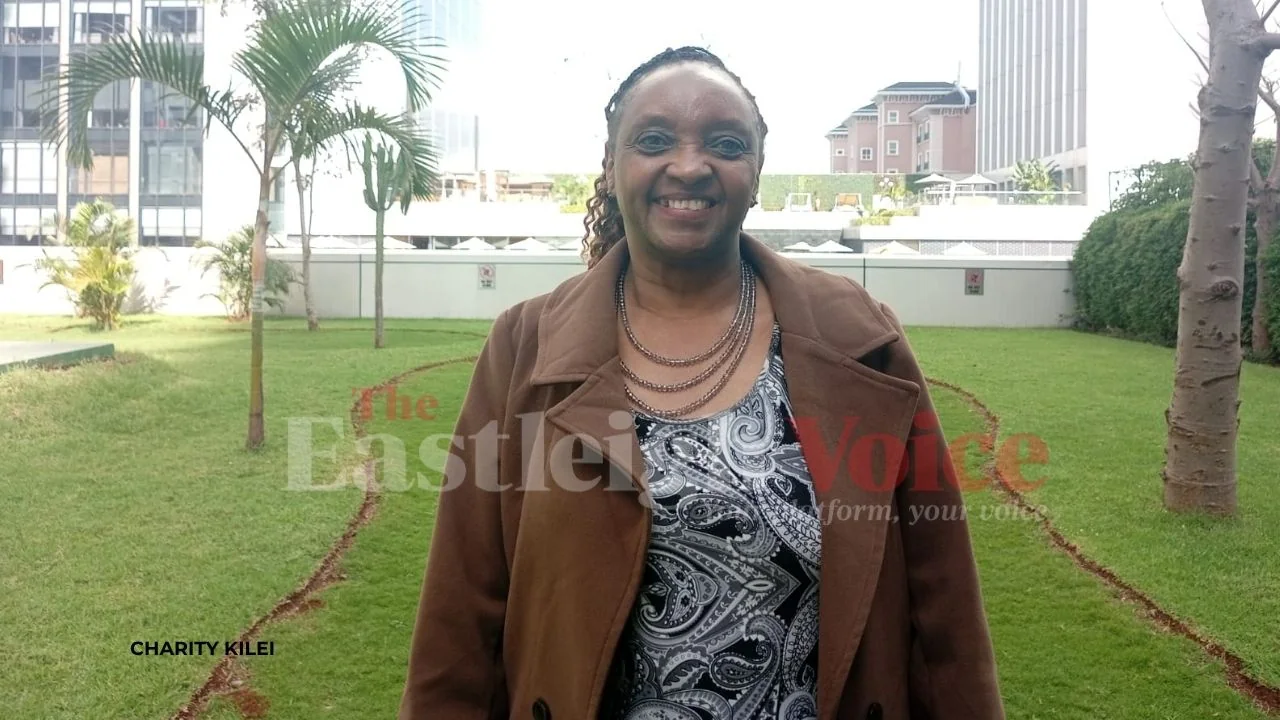
 Samples of government-issued sanitary towels. (Photo: Charity Kilei)
Many women enter pregnancy already anaemic without realising it.
Month after month of excessive blood loss gradually depletes the body’s iron stores. Because iron is essential for producing healthy red blood cells, women with heavy periods often develop iron‑deficiency anaemia.
Unfortunately, pregnancy dramatically increases the body’s demand for blood.
“The mother’s blood is the transport system for oxygen and nutrients to the baby,” Professor Kihara explains. “If the mother begins pregnancy with low blood levels, both she and the baby are affected.”
Before trying to conceive, women should visit a health facility for nutritional counselling, screening for anaemia, and appropriate supplementation with iron and folic acid.
“If we identify anaemia before pregnancy, we can correct it before it becomes a problem.”
Preventing postpartum haemorrhage starts before labour
Postpartum haemorrhage remains one of the biggest killers of mothers globally and in Kenya.
Although every woman loses some blood during childbirth, women who are already anaemic have little reserve if excessive bleeding occurs.
“When childbirth comes, the woman who has been bleeding heavily for months is already disadvantaged,” says Professor Kihara. “If she develops postpartum haemorrhage, she is much more likely to experience severe complications because her blood levels were already low.”
This is one reason why the WHO now recommends eight antenatal care visits during pregnancy.
Those visits allow healthcare workers to monitor the baby’s growth, check the mother’s blood levels, provide iron and folic acid supplements, and identify complications before delivery.
Some women require iron injections or even blood transfusions to safely prepare them for childbirth.
“We want to be proactive rather than reactive,” he says. “Correct the anaemia before labour rather than trying to save a woman after she has already lost too much blood.”
Professor Kihara believes Kenya’s Community Health Promoters have become a vital link between women and the healthcare system.
Working within communities, they identify pregnant women early, encourage antenatal attendance, offer nutrition education, promote hygiene and sanitation, provide malaria prevention where necessary, and connect women to health facilities.
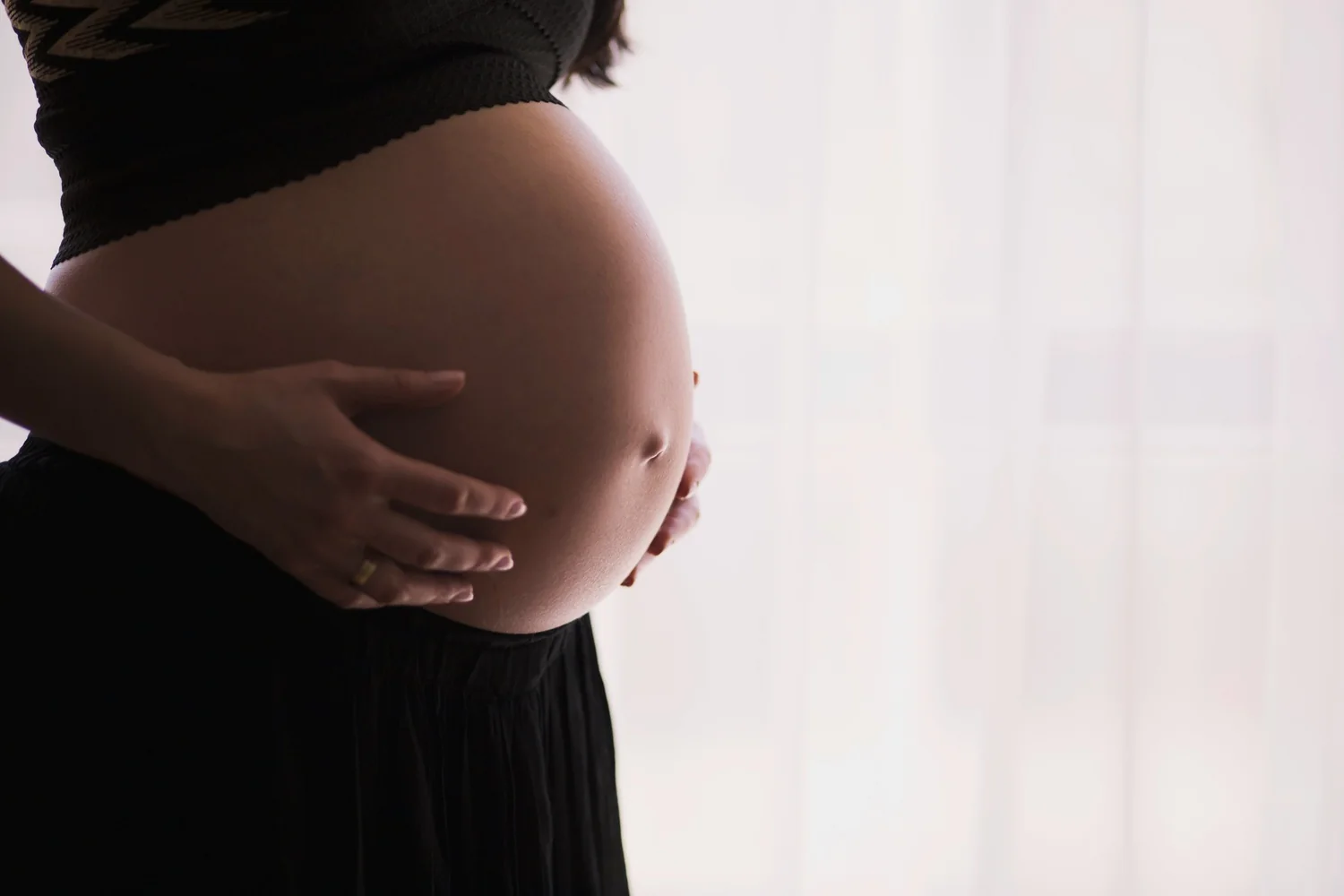
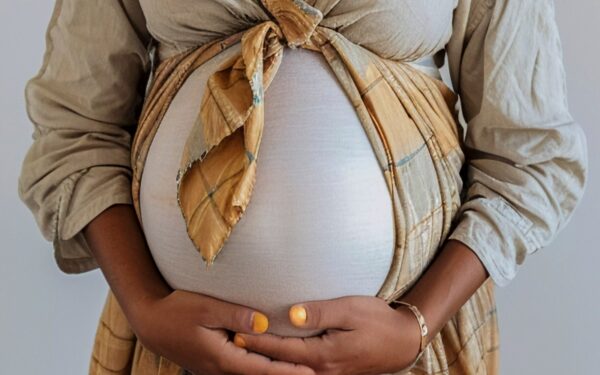 A pregnant woman. (Photo: Freepik)
Women who have previously experienced postpartum haemorrhage, pregnancy loss, or other complications should also be referred to higher‑level hospitals in future pregnancies.
“Every pregnancy tells a story,” she says. “If a woman experienced complications before, that history becomes an important warning sign for the next pregnancy.”
Beyond pregnancy, untreated anaemia affects almost every aspect of a woman’s life.
It causes fatigue, dizziness, reduced productivity, and poor quality of life. For babies, the consequences can be lifelong. Babies born to anaemic mothers are more likely to have low birth weight, become anaemic themselves, and face challenges in physical growth, learning, and cognitive development.
Professor Kihara says many of these outcomes are preventable through something as simple as paying attention to menstrual health.
“We want women to understand that menstruation is a vital sign,” he says. “If it changes, your body is telling you something. Listen to it.”












































Comments
Sign in with Google to comment, reply, and like comments.
Continue with Google